

Considering a move to a 55+ active adult community means opening yourself up to a vibrant lifestyle, rich social connections, and often, a freedom from home maintenance.
As you explore these exciting possibilities, you will encounter the concept of Homeowners Association, or HOA, fees. These fees are a foundational element of community living, powering the amenities and services that define your new lifestyle.
I remember when Bill first started talking about moving to a 55+ community down in Florida, he’d always bring up how much we’d save on yard work and house repairs. I was so focused on the emotional side of leaving our 2,400 sq ft colonial on Elmwood Drive that I barely heard him.
I thought HOA fees were just another bill, another cost. But after living here at Hawthorn Ridge for nearly two years, I can tell you they represent a strategic investment in convenience, community, and peace of mind.
Understanding what these fees cover and the comprehensive value they provide helps you make informed decisions about your retirement living options. This guide demystifies HOA fees, explaining exactly what is included in HOA fees for 55 plus and how they contribute to a fulfilling and active retirement.

What Exactly Are HOA Fees?
HOA fees are regular payments, typically monthly, that residents of planned communities contribute to maintain and enhance shared spaces and services. In 55+ active adult communities, these fees are essential for upholding the specific lifestyle and community amenities that attract residents.
You become a member of the homeowners association upon purchasing a home in such a community.
When Bill first explained HOA fees to me, I pictured a stuffy board meeting and just another set of rules. I was used to our life back in Columbus where we just paid for everything ourselves.
But here at Hawthorn Ridge, I’ve seen firsthand how the HOA, governed by a resident-elected board, manages our community’s finances, facilities, and rules. Your contributions fund the operating budget, which covers everything from landscaping to staffing the fitness center.
This collective approach ensures that all residents benefit from well-maintained surroundings and a rich array of activities, without individual responsibility for every maintenance task. Understanding how do HOA fees benefit community residents starts with this fundamental understanding.
The Core Inclusions: Property Maintenance and Common Areas
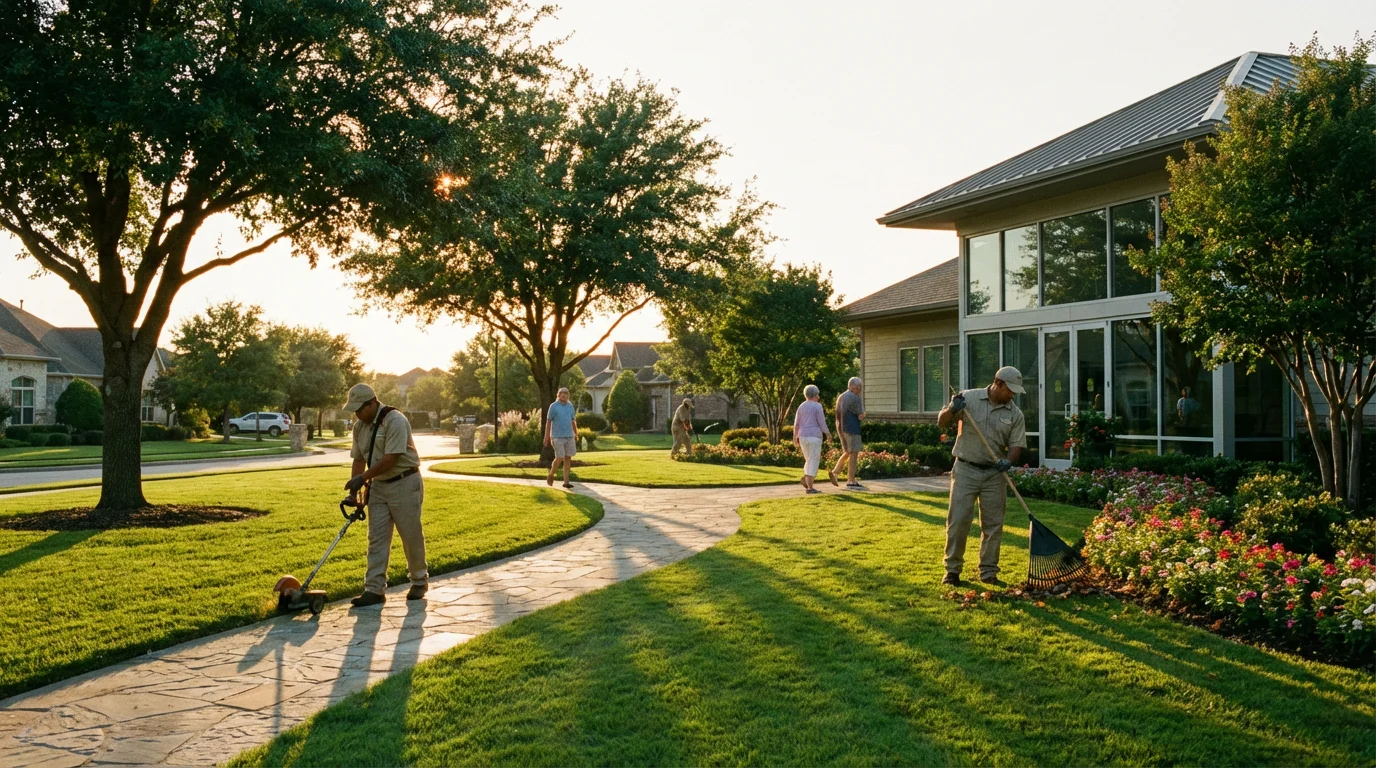
One of the most appealing aspects of 55+ community living is the reduced burden of home and yard maintenance. HOA fees primarily cover the upkeep of common areas and often a significant portion of exterior home maintenance.
Imagine saying goodbye to weekend chores and reclaiming your time for pursuits you enjoy. This frees you to focus on an active and engaged retirement.
Oh, this is the part where I have to admit Bill was absolutely right! I still miss my garden in Columbus, I really do, but I *don’t* miss the endless weeding, the mulching, or trying to find someone reliable to mow the lawn every week.
Here, it’s just always beautiful. I can spend my mornings watercolor painting (badly, but happily!) or having coffee with my Florida family instead of worrying about the roof or the gutters. It’s such a relief.
Consider the many property maintenance tasks typically handled through your HOA fees:
- Exterior Home Maintenance: Many communities include exterior painting, roof repair, gutter cleaning, and even window washing. This protects your home’s value and saves you significant time and physical effort.
- Landscaping and Groundskeeping: Enjoy beautifully manicured lawns, gardens, and shared green spaces without ever pushing a mower or pulling a weed. Professional teams handle all the planting, watering, and pruning, ensuring the community always looks vibrant.
- Street and Sidewalk Maintenance: Roads, sidewalks, and common pathways within the community remain well-maintained and safe. This includes repairs, sweeping, and in colder climates, snow removal, ensuring easy access for walking or driving year-round.
- Security Services: Many communities provide enhanced security features. These might include gated entrances, security personnel, surveillance systems, or even emergency response services, offering you greater peace of mind and a secure environment.
By pooling resources, residents enjoy a consistently high standard of community appearance and functionality. This systematic approach ensures that the entire neighborhood always looks its best, contributing to a pleasant living environment for everyone and protecting property values.

Elevating Your Lifestyle: Community Amenities and Lifestyle Services
Beyond essential property maintenance, HOA fees power the vibrant social and recreational opportunities that define 55+ active adult communities. These communities are designed for engagement, offering an impressive array of community amenities and services tailored to an active retirement.
Your fees contribute directly to maintaining and operating these facilities, demonstrating a clear benefit for residents.
This is where Hawthorn Ridge truly shines for me! When we first moved, I was a little lost, honestly. I missed my old routines, my friends, my life in Columbus. But the amenities here made it so easy to find new connections.
I met my “Florida family” – Carol, Susan, and Martha – at the community pool. We started chatting, and now we have coffee every Tuesday. I also took up watercolor painting in the art studio, which I never would have done otherwise.
And Bill? He’s on the pickleball courts four mornings a week, a sport I didn’t even know existed a few years ago!
Think about the facilities and services that enrich your daily life:
- Clubhouses and Social Hubs: These central gathering places host events, classes, and informal meet-ups. Your fees cover their operation, ensuring comfortable and inviting spaces for connection and relaxation.
- Fitness Centers and Wellness Programs: State-of-the-art gyms, indoor and outdoor pools, tennis courts, pickleball courts, and even golf courses are common offerings. The HOA manages their maintenance and often provides access to fitness instructors or wellness classes.
- Arts and Crafts Studios: Many communities feature dedicated spaces for creative pursuits like painting, pottery, woodworking, or quilting. These areas are maintained and equipped through community funds, encouraging artistic expression.
- Educational and Enrichment Programs: From guest speakers and lecture series to computer classes and book clubs, these intellectual opportunities are often facilitated by the community. You have easy access to continuous learning and mental stimulation.
- Social Activities and Events: Community calendars brim with events, parties, excursions, and holiday celebrations. The HOA supports the coordination and execution of these social opportunities, fostering a strong sense of belonging and camaraderie.
- Transportation Services: Some communities offer shuttle services for local shopping, appointments, or group outings, adding convenience and independence for residents who prefer not to drive or want to reduce their car usage.
These community amenities are not merely perks, they are integral to fostering connections and supporting an active lifestyle. They provide ready-made opportunities for you to explore new hobbies, stay physically active, and easily socialize with neighbors who share similar interests.
Research from the National Institute on Aging consistently highlights the importance of social engagement for healthy aging, and your HOA fees directly facilitate this valuable aspect of retirement.

Beyond the Basics: Utilities and Infrastructure Management
While property maintenance and amenities are significant, HOA fees can also cover a range of utility costs and ensure the robust infrastructure of the community. This often streamlines your household budgeting and reduces the number of individual bills you manage each month. This consolidation of services simplifies your financial planning.
This is one of those practical things Bill absolutely loves, and I have to admit, it’s pretty nice! He manages our finances with what I call “a level of detail that belongs in a NASA mission,” so having fewer bills to track each month really appeals to his methodical side.
For me, it means less paperwork and less worrying about fluctuating costs. It’s just one less thing on my plate, which is a lovely feeling when you’re used to managing a whole household for so many years on Elmwood Drive.
Common utility and infrastructure inclusions might encompass:
- Water and Sewer Services: In many communities, your HOA fees cover the cost of water and sewer usage for your home and common areas. This removes a variable monthly expense from your personal budget.
- Trash and Recycling Collection: Scheduled curbside pickup or centralized collection points for trash and recycling are typically managed and paid for through the HOA. You no longer need to arrange these services individually.
- Common Area Utilities: Lighting for streets, clubhouses, pools, and other shared spaces, along with utilities for irrigation systems, are included. This ensures all shared spaces are well-maintained and inviting.
- Cable and Internet Services: Some communities negotiate bulk rates for cable television and high-speed internet, offering these services as part of your monthly fee. This often results in a significant discount compared to individual plans, providing both convenience and cost savings.
- Roads and Private Infrastructure: Maintenance and repair of private roads, storm drains, and other community-specific infrastructure fall under the HOA’s responsibility. This ensures a safe, functional, and well-maintained environment for all residents.
By bundling these services, the community leverages its collective buying power, often securing better rates and more consistent service than individual residents could obtain. This approach simplifies your life, providing predictable costs for essential services and enhancing your overall living experience.

Funding the Future: Reserve Funds and Community Governance
A responsible HOA does not just manage today’s needs, it plans for tomorrow. A significant portion of your HOA fees contributes to the community’s reserve funds. These funds are crucial for the long-term health and sustainability of the community, protecting your investment and ensuring continued quality of life.
This is definitely one of those things Bill understood far better than I did when we were first looking at communities. He always made sure to ask about the reserve funds and the community’s budget during our visits. I just trusted him, but now I see the wisdom in it.
Back in our Columbus house, any big repair – like a new roof or a furnace – was a huge, unexpected expense. Here, knowing that the community has plans and funds set aside for things like resurfacing the pool or repairing the roads gives me such peace of mind. It’s a comfort to know they’re thinking ahead.
Reserve funds are specifically earmarked for major capital repairs and replacements that occur periodically, such as:
- Roof replacements for clubhouses or shared buildings.
- Resurfacing roads and parking lots.
- Upgrading pool equipment or renovating fitness centers.
- Replacing aging landscaping features or irrigation systems.
Without adequate reserve funds, communities might face the need for large, unexpected special assessments, requiring residents to pay substantial lump sums. Well-managed reserves help avoid such surprises, providing financial stability and protecting property values.
This foresight is a key answer to how do HOA fees benefit community residents in the long term.
Beyond finances, your HOA fees support the operational aspects of community governance. This ensures the community runs smoothly and responsively.
- Professional Management: Many larger communities employ professional management companies or staff to handle day-to-day operations, vendor contracts, resident communications, and administrative tasks. This ensures expert oversight and efficient service delivery.
- Legal and Accounting Services: The HOA requires legal counsel for compliance and contract review, and accounting services for financial transparency and auditing. These services safeguard the community’s interests and maintain financial integrity.
- Insurance: Master insurance policies covering common areas and liability for the association protect the community as a whole. This collective coverage offers significant protection and can be more cost-effective than individual policies for shared spaces.
These governance functions ensure the community runs smoothly, maintains its value, and provides a clear framework for resident interaction and decision-making, contributing to a harmonious living environment.

Understanding Fee Structures and Potential Variations
HOA fees are not uniform, they vary significantly based on the community’s location, size, age, and the extent of amenities and services offered. A community with a golf course, multiple pools, and extensive concierge services will naturally have higher fees than one focusing on basic maintenance and a single clubhouse.
Understanding these variations is key to finding the right fit for your budget and lifestyle, and knowing what is included in HOA fees for 55 plus.
Bill researched 55+ communities for two full years before we moved, and I swear he had a spreadsheet comparing HOA fees for every single one! He built a comparison matrix with 14 variables, and the fees were definitely a big one.
It taught me that you really can’t just look at the dollar amount in isolation. A higher fee might mean you get so much more included, like all your utilities or a fancy fitness center. Our fees at Hawthorn Ridge felt like a big number at first, but when you break down everything we get, it makes perfect sense.
Factors influencing HOA fee amounts:
- Scope of Inclusions: The more services and amenities the HOA covers, the higher the fees. For example, communities that include all utilities, extensive security, and a full calendar of events will have higher fees due to the comprehensive nature of the offerings.
- Community Size and Density: Larger communities can often achieve economies of scale for services, potentially leading to lower per-unit costs. However, very expansive communities with vast common areas can also incur significant maintenance expenses.
- Age of the Community: Newer communities might have lower initial fees as infrastructure is new and under warranty. Older communities, if not well-maintained or with underfunded reserves, could see fees rise to cover deferred maintenance or necessary upgrades.
- Geographic Location: Labor costs, property values, and local taxes vary by region, directly impacting the overall cost of community operations. These regional differences are reflected in HOA fees.
It is also important to inquire about how fees are structured and when they are typically reviewed. While fees provide stability, they can increase over time to reflect rising costs or new community investments.
Ask about the history of fee increases and the process for approval during your research. Occasionally, a community may impose a “special assessment” for a large, unforeseen repair not adequately covered by reserves, though well-managed communities strive to minimize these through diligent planning.

Evaluating Value: Assessing Your HOA Investment
When you look at HOA fees, move beyond the monthly dollar amount. Consider the comprehensive value you receive in return. This involves comparing what you pay in fees to the costs of services and amenities you would otherwise pay for individually, alongside the intangible benefits.
This holistic view helps you truly understand the investment.
I remember how Bill had his spreadsheets, but I had my feelings. And while his numbers were important, it was the *feeling* of living here that ultimately showed me the true value.
I learned to talk to people, to ask the residents what they loved and what they wished was different. That’s how I really understood what we were getting for our fees, not just from a brochure.
It’s like when I’m baking on Sunday mornings – the ingredients cost money, but the joy of the smell and the taste, and sharing it with the grandkids, that’s the real value.
Here are practical steps to evaluate the value of HOA fees:
- Itemize Covered Costs: List out all the services and maintenance tasks included in the HOA fees. Then, estimate what you would pay for these services independently each month or year, such as landscaping, gym memberships, pool maintenance, security systems, or even some utilities. This provides a direct financial comparison.
- Review Financial Health: Ask for the community’s budget and reserve study. A healthy reserve fund indicates responsible financial planning and significantly reduces the likelihood of future special assessments. Transparency in financial reporting is a positive sign.
- Talk to Current Residents: They offer invaluable insights into the daily experience, the effectiveness of community management, and their perception of fee value. This provides a real-world perspective on how do HOA fees benefit community residents and how the community functions.
- Assess Your Lifestyle Needs: Do the amenities and activities align with your interests? If you love to swim, golf, join clubs, or attend social events, a community that offers these through its fees presents better value than one where you would rarely use them. Your personal utilization directly impacts value.
- Compare Communities: Use reputable resources like 55places.com to compare HOA fees and inclusions across different communities. This helps you understand the market rates for similar levels of service and amenities, ensuring you make an informed decision.
Remember, the goal is not just to find the lowest fee, but to find the fee that provides the best value for your desired lifestyle. A slightly higher fee might mean significantly more services, better amenities, and a stronger sense of community connection, ultimately enhancing your retirement experience.

The Return on Investment: Benefits Beyond the Numbers
While the financial aspects of HOA fees are tangible, the true return on your investment often lies in the quality of life you gain. HOA fees simplify your life, free your time, and enhance your well-being in ways that are difficult to put a price tag on. This contributes significantly to a fulfilling retirement.
When Bill first brought up moving, I resisted with all my heart. I cried when we sold our house on Elmwood Drive, the house where we raised our three children and hosted every Thanksgiving for 30 years.
It took me a full year to truly adjust to Hawthorn Ridge. But now? I’d tell anyone who’s on the fence that it was the best decision we ever made. My daughter, Karen, was right when she said, “Mom, the grandkids want YOU, not the house.”
And these HOA fees are a big part of why I can be “me” – a happy, relaxed grandma who has time for painting, friends, and baking, instead of always worrying about the house. It’s truly a wonderful feeling.
Consider these significant benefits that illustrate how do HOA fees benefit community residents:
- Freedom from Home Maintenance: Imagine a life without worrying about roof repairs, exterior painting, or yard work. Your weekends and evenings are truly yours to enjoy, whether pursuing hobbies, traveling, or spending time with loved ones. This freedom from chores is a core promise of 55+ community living.
- Enhanced Social Opportunities: With a clubhouse, activity directors, and a calendar full of events, opportunities to meet new people and forge friendships are built into the community fabric. While you are always free to choose your level of engagement, these options are readily available for those seeking connection, fostering a vibrant social life.
- Access to Premium Amenities: Enjoy resort-style pools, fitness centers, sports courts, and creative studios without the individual cost or upkeep. These facilities encourage an active and healthy lifestyle, promoting physical and mental well-being.
- Increased Security and Peace of Mind: Many communities offer gated entrances, security patrols, and well-lit common areas. This collective approach to safety provides a comforting layer of protection, particularly important as we age, allowing you to relax and feel secure.
- Financial Predictability: While fees can adjust, they typically provide a more predictable expense for home-related services than managing individual repairs and maintenance costs as they arise. This simplifies your monthly budgeting and reduces financial surprises.
- Community and Belonging: Living in a community designed for people aged 55 and over often means being surrounded by peers with shared life experiences and interests. This fosters a strong sense of belonging, combating isolation and enriching daily life with shared moments and mutual support.
HOA fees facilitate a lifestyle where convenience, connection, and peace of mind are paramount. They allow you to focus on what truly matters to you in retirement, knowing that the practicalities of homeownership are expertly managed and that a vibrant social life awaits.
Frequently Asked Questions
Are HOA fees negotiable?
Oh, I wish they were, but no, HOA fees are generally not negotiable. They’re set by the Homeowners Association board, based on the community’s budget for all the wonderful property maintenance, community amenities, and services we enjoy.
Everyone pays the same fees for the same type of property to make sure it’s fair and that we all contribute equally to our shared resources and benefits.
Can HOA fees increase?
Yes, HOA fees can increase, and ours have gone up a little since we moved in. Increases typically happen once a year to keep up with the rising costs of living, maintenance, insurance, and utilities.
A good, responsible HOA, like ours, will always explain these increases with a detailed budget and a transparent process. Bigger increases usually need board approval, and sometimes even a resident vote, depending on our community’s specific rules.
What happens if I cannot pay my HOA fees?
Well, that’s a serious situation, and it’s really important to avoid it. HOAs have legal rights to collect unpaid dues, which can mean late fees, interest charges, losing access to amenities like the pool or clubhouse, and even a lien on your property.
In very rare, severe cases, the HOA could even start foreclosure. If you ever think you might have trouble paying, it’s crucial to talk to the HOA board or management company right away.
Are utilities always included in HOA fees for 55+ communities?
No, utilities are definitely not always included, and what is covered can vary quite a bit from one community to another. Here at Hawthorn Ridge, some things like water for the common areas and trash pickup are included.
But for our home, we still pay for our own electricity and internet. So, it’s always a good idea to really dig into the community’s documents to understand exactly which utilities are part of your fees.
How can I ensure my HOA fees are being used wisely?
As a resident and an HOA member, you absolutely have the right to attend board meetings, look over the financial statements, and ask any questions you have about the budget.
I’ve found that getting involved, even just by attending meetings or joining a committee, gives you a direct look into how the funds are managed. It also lets you contribute to the decisions that shape our community. Responsible HOAs really do value transparency and getting residents involved!
Disclaimer: This article is for informational purposes only. Community living options, amenities, and cultures vary significantly. We encourage readers to visit communities in person, speak with current residents, and evaluate whether a community fits their unique needs and preferences.










Leave a Reply