
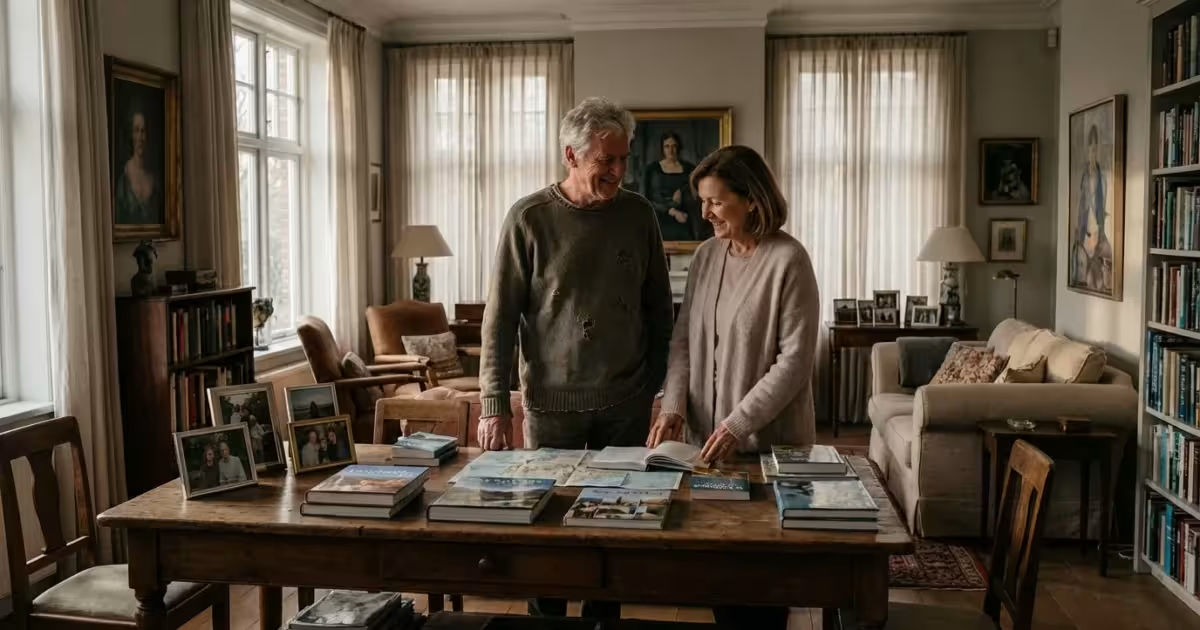
As Dorothy and I approached retirement, the conversation around downsizing was practically unavoidable. Everywhere we looked, it seemed like the default assumption was that less space automatically meant less worry, lower costs, and a simpler life.
Now, don’t get me wrong, I was certainly eager to shed the “one metric ton of stuff” we’d accumulated in our Columbus home, and a move to somewhere warm was high on my list. But after all my research, I’ve come to understand that while downsizing benefits countless individuals, it’s not a universal solution.
In fact, for some, a larger home aligns better with their evolving needs and desires for this significant life stage. We call this concept reverse downsizing, a thoughtful approach where you assess whether a larger home truly supports your retirement lifestyle.
This article explores scenarios where maintaining or even acquiring a larger home becomes the optimal choice. We’ll examine the advantages of staying in a larger home, helping you decide if this path best suits your unique circumstances.
Your retirement vision should dictate your living situation, not a one-size-fits-all assumption about smaller spaces.
Challenging the Downsizing Myth: Why Less Isn’t Always More
The prevailing wisdom definitely suggested that retirement meant shedding excess. I spent two full years researching 55+ communities before Dorothy and I finally made our move to Florida, and I saw plenty of advice to sell your large family home and move into a smaller condo or apartment.
This advice, I found, often overlooks individual preferences and future plans. For many, a smaller space truly does simplify things, but others find it restrictive or ill-suited to their aspirations.
Consider your personal vision for retirement. Do you dream of hosting extended family gatherings, pursuing space-intensive hobbies, or providing a home for adult children or grandchildren?
These goals may demand more square footage. Automatically assuming you must downsize risks limiting your options and potentially creating regret.
The concept of right-sizing offers a more tailored perspective. It means finding the home size that perfectly fits your present and future needs, whether that is smaller, the same, or even larger.
Sometimes, the initial costs of moving, property taxes in a new area, or renovations for a new space outweigh the perceived benefits of a smaller home. You need to weigh all factors carefully, which is exactly what my 14-variable comparison matrix helped us do.
When a Larger Home Supports Your Retirement Needs
Several compelling reasons justify choosing a larger home for your retirement. These are not merely about clinging to possessions, but about actively supporting a chosen lifestyle.
Multi-Generational Living and Family Hubs
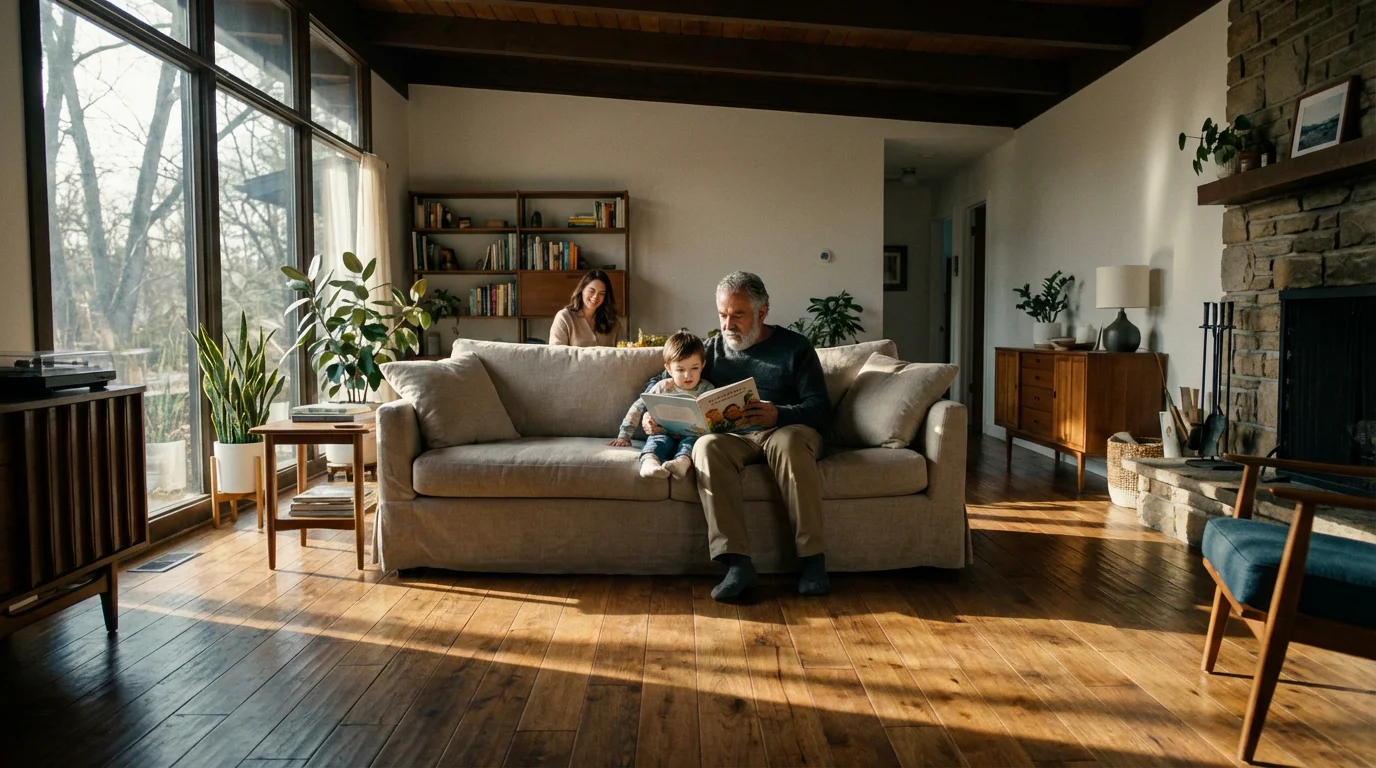
Modern families often live closer or choose to cohabitate. Your larger home can serve as a vital hub for adult children, grandchildren, or even aging parents. It offers dedicated bedrooms, ample living spaces, and a welcoming environment for family to visit, stay, or even reside long-term.
This arrangement can foster strong family bonds and provide mutual support. Dorothy and I raised three children in our 2,400 sq ft colonial on Elmwood Drive, and having that space was certainly a blessing when our kids came home from college, or later, when the grandkids started visiting.
Space for Hobbies and Passions
Retirement often unlocks time for pursuits you postponed during your working years. Do you enjoy woodworking, painting, quilting, or collecting? A smaller space can severely limit these activities.
A larger home allows for dedicated craft rooms, workshops, art studios, or extensive libraries. This dedicated space ensures your hobbies thrive, enriching your retirement years.
I’ve become an unexpectedly good cook since retirement, something that still surprises both Dorothy and me. While our smaller kitchen here in Sarasota works just fine, I can certainly appreciate the appeal of a dedicated, larger space for culinary experiments or even a workshop.
Home Office or Personal Study
Many retirees continue working part-time, volunteer extensively, or manage personal affairs requiring a quiet, organized space. A home office in a larger property provides privacy and functionality.
It also creates a dedicated area for bill paying, record keeping, or simply enjoying a good book in solitude, free from household distractions. I manage our finances with what Dorothy calls “a level of detail that belongs in a NASA mission,” so a dedicated space for that kind of work is something I can certainly appreciate.
Guest Rooms for Visiting Family and Friends
If you cherish hosting loved ones, dedicated guest rooms become invaluable. A larger home allows you to offer comfortable, private accommodations, encouraging longer, more frequent visits.
This amenity strengthens social connections, a crucial component of well-being in retirement. For 30 years, our Columbus house was the hub for every Thanksgiving, and we loved having the space for everyone to stay comfortably. It’s a different setup here in Florida, but the value of guest space is still clear.
Aging in Place Modifications
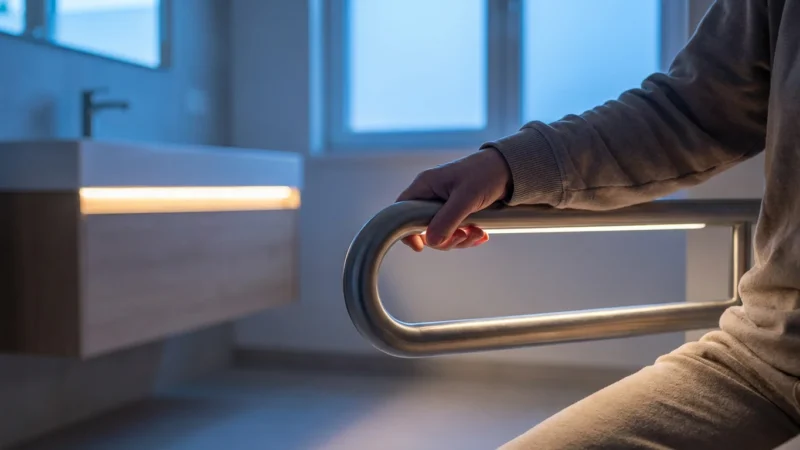
Your current, larger home may offer more flexibility for future accessibility modifications than a smaller, newer build. Wider doorways, space for ramps, or the possibility of converting a downstairs room into a master suite can be more feasible.
You can adapt a familiar space to your evolving physical needs, avoiding the disruption of a later move. AARP provides helpful resources on how to adapt your home for aging in place, which you can explore on their home and family section.
Evaluating Your Current Larger Home: A Realistic Assessment
Before committing to a particular path, honestly assess your current large home. This involves looking beyond sentimentality to practical considerations. A reverse downsizing decision hinges on understanding whether your existing space genuinely serves your `retirement needs`.
Maintenance Burden Assessment
A larger home typically involves more upkeep. Consider the following:
- Yard work: Can you manage the gardening, mowing, and landscaping yourself, or will you need to hire help? Factor these costs into your budget.
- House cleaning: A bigger house takes more time and effort to clean. Are you physically able, or will you need to pay for cleaning services?
- Repairs: Larger homes often have more systems and components that might need repair over time, such as a bigger roof, more windows, or extensive HVAC systems.
A realistic view of ongoing maintenance will inform your decision. If the burden feels overwhelming, even an ideal space might become a source of stress. Our 2,400 sq ft colonial on Elmwood Drive was a beautiful home, but after 44 years, the maintenance list seemed to grow longer every spring. That was a big factor in my initial desire to move.
Accessibility for Future Needs
Consider the long-term practicality of your home. Does it have stairs? Are doorways wide enough for a walker or wheelchair? Does it have a full bathroom on the main living level? Proactively identifying potential barriers allows you to plan modifications or decide if a different home layout is necessary. Ignoring these aspects now could lead to difficult decisions later.
Financial Implications of Staying vs. Moving
Analyze the financial landscape. Compare the costs of staying in your current home (property taxes, insurance, utilities, maintenance, potential renovations) against the expenses of moving (real estate fees, moving company costs, new property taxes, potentially higher utility bills in a different type of home, renovation costs for a new space).
Often, avoiding transaction costs and new mortgage interest outweighs the perceived savings of a smaller, cheaper home. Holding onto a fully paid-off home provides significant financial stability.
This is where my spreadsheets really came in handy, laying out every potential cost for staying versus moving, down to the last penny. It’s a level of detail I’d recommend to anyone.

Advantages of Staying in a Larger Home
Beyond meeting specific activity or family needs, retaining your `larger home` offers several tangible benefits that contribute to a fulfilling retirement.
Familiarity and Community Connections
Your home is more than just a structure; it is embedded in a community. Staying means maintaining established relationships with neighbors, local businesses, and community groups. This sense of belonging is a powerful antidote to isolation and provides a valuable support network.
Uprooting can be stressful, disrupting routines and social circles you have built over decades. Dorothy was particularly concerned about leaving her garden and the friends she’d made in Columbus, and I understood that. We had 44 years of established connections on Elmwood Drive.
Preserving Family Gathering Spaces
Many of your most cherished memories likely occurred within the walls of your home. Keeping your existing residence preserves the backdrop for future family holidays, celebrations, and everyday moments.
It offers a sense of continuity and tradition, allowing new memories to form in familiar surroundings. You provide a legacy of a family gathering place. We certainly built a lot of memories hosting Thanksgiving for 30 years in our Columbus dining room.
Flexibility for Evolving Retirement Needs
Life in retirement often holds unexpected turns. A larger home offers inherent flexibility. A spare bedroom can transform into a care provider’s room, an exercise space, or a specialized hobby area as your interests or needs change. This adaptability means you avoid another disruptive move should your circumstances shift, offering peace of mind.
Financial Stability and Equity Leverage
If your home is paid off, it represents a significant asset and provides financial stability. You eliminate mortgage payments, freeing up funds for other retirement expenses or desires.
You can also leverage your home equity through options like a reverse mortgage, if suitable, providing additional income without selling your beloved property. This approach helps maintain financial independence.
As someone who manages our finances with extreme detail, I can tell you that a fully paid-off home is a powerful asset in retirement planning.
“Aging in place successfully often involves adapting your living environment to meet changing needs, rather than uprooting.” This wisdom underscores the value of thoughtfully evaluating your current home’s potential.
Optimizing Your Larger Home, Not Just Leaving It
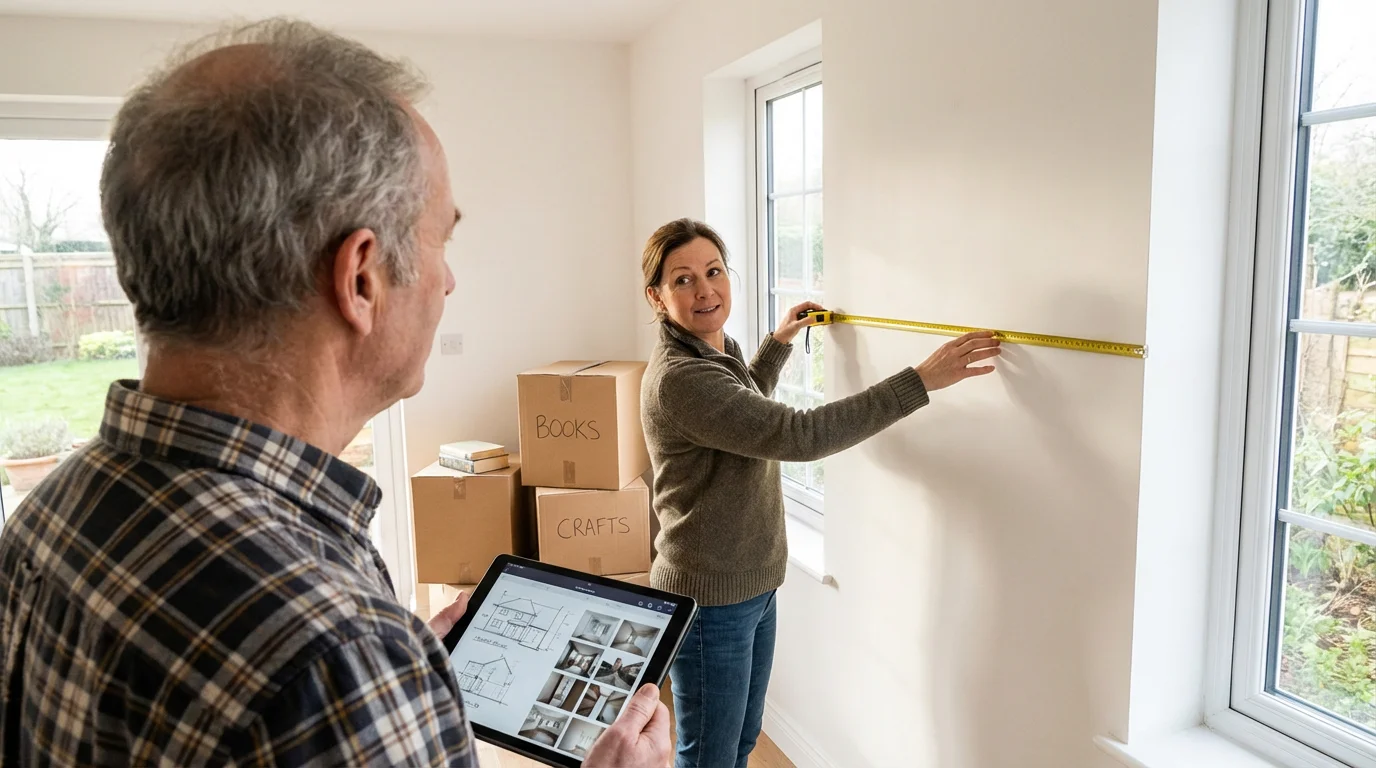
Deciding to stay in your `larger home` does not mean living with clutter or inefficiency. You can proactively optimize your space, making it work better for your `retirement needs`. This approach allows you to enjoy the benefits of your home without the burdens of excess.
Decluttering Without Selling
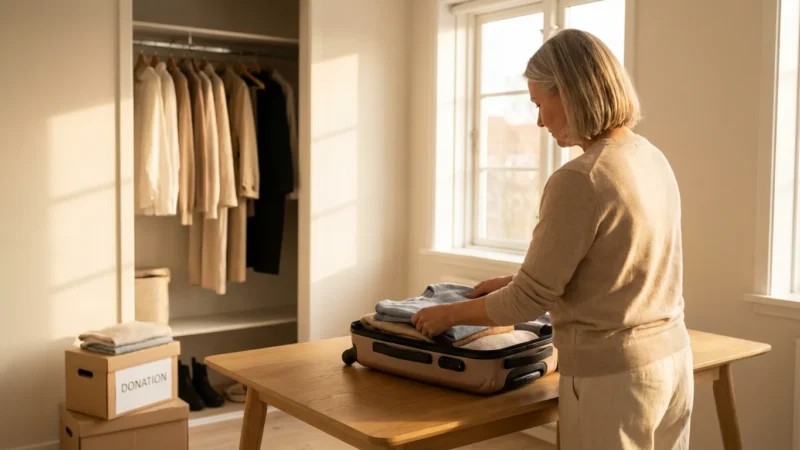
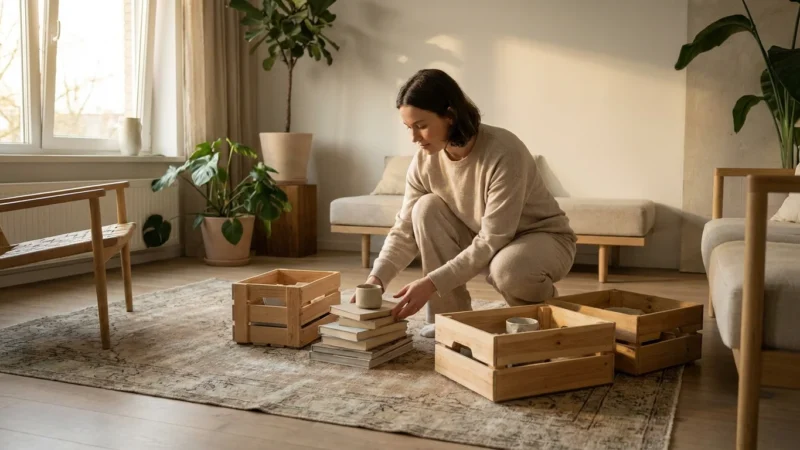
A “reverse downsizing” strategy often involves significant decluttering. The goal is not to prepare for a move, but to enhance your current living experience. This process involves making thoughtful decisions about every item. You can categorize items to simplify this task:
- Keep: Items you regularly use, deeply cherish, or that serve a clear purpose.
- Donate: Items in good condition that you no longer need. Organizations like Goodwill or Habitat for Humanity ReStore accept various household goods and furniture, providing tax deductions for your contributions.
- Sell: Valuable items that are no longer useful to you. Consider estate sale services or online marketplaces. EstateSales.net provides resources for finding local sales and services.
- Discard: Broken, expired, or truly unusable items.
Focus on creating clear, functional spaces. Remove anything that does not serve a purpose or bring you joy. This process liberates your space and your mind. When Dorothy and I finally made the decision to sell our Columbus house, we had to tackle what I’d estimated to be “approximately one metric ton of stuff we don’t need.” Even if we had stayed, a similar decluttering project would have been essential for a less burdensome retirement.
Creating Dedicated Zones and Space Optimization
Divide your larger home into purposeful zones. Designate one room as your crafting space, another as a reading nook, and another as a dedicated guest suite. Use furniture and storage solutions to define these areas, even within open-plan layouts. Vertical storage, modular shelving, and multi-functional furniture can maximize efficiency in every room.
Hiring Professional Organizers and Estate Sale Services
Navigating a lifetime of possessions can feel daunting. Professional organizers, such as those certified by the National Association of Productivity & Organizing Professionals (NAPO), offer invaluable, unbiased support.
They provide strategies, hands-on help, and emotional guidance without being dismissive of your attachments. If you have many valuable items to sell, an estate sale service can handle the appraisal, staging, and sale of your belongings, reducing your stress.
Senior move managers, found through organizations like NASMM, can also assist with decluttering and organizing, even if you are not moving.
Digital Decluttering (Photos, Documents)
Physical decluttering extends to your digital life. Organize digital photos, documents, and emails. Back up important files to cloud storage or external hard drives. This not only frees up digital space but also secures your precious memories and important records. Consider digitizing old physical photos to preserve them and reduce physical clutter.
The Emotional Journey of Retaining Your Space
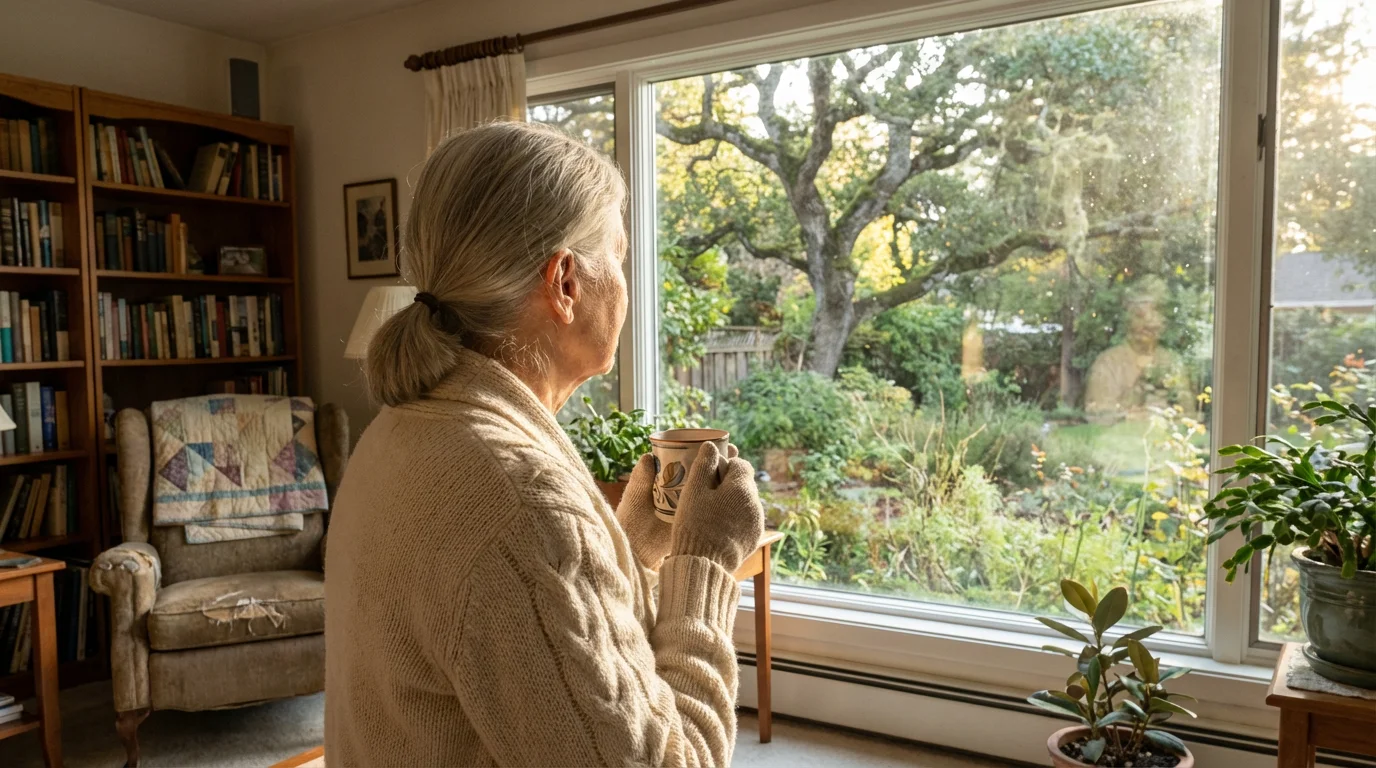
The decision to embrace reverse downsizing is deeply emotional, just like traditional downsizing. Your home holds memories, identity, and a sense of permanence. Acknowledging and navigating these feelings is essential for a peaceful transition. I certainly learned this during our two years of debating the move.
Identity and Legacy
Your home often reflects who you are and the life you have built. Choosing to stay allows you to maintain that connection, preserving your sense of self and the legacy you wish to leave. It provides a tangible link to your past, present, and future family stories. This choice offers comfort and continuity.
The Comfort of Familiarity
There is immense comfort in familiar surroundings. The sight of your garden, the warmth of your kitchen, the well-worn paths through your rooms, all contribute to a sense of peace and security. Retaining this familiarity can reduce stress and enhance overall well-being in retirement.
It simplifies daily life, freeing you from learning new routes or adapting to new layouts. I remember Dorothy missing her garden in Columbus quite a bit after we moved, and that really drove home the emotional weight of leaving a familiar place, even when the practical reasons for moving were clear.
Passing Down Family Heirlooms and Maintaining Space for Them
A larger home provides the luxury of keeping cherished `family heirlooms` and special collections. You can display them proudly, enjoy them daily, and know they have a secure place until you decide their next chapter.
This space allows for the preservation of family history and traditions, offering a profound sense of connection to your heritage.
The process of deciding to keep your larger home, even with decluttering, is a validation of your life’s journey. It is about actively choosing what brings you joy and comfort, rather than passively reacting to societal expectations. You are in control of your narrative.

Helping Parents Consider Reverse Downsizing
Adult children often initiate conversations about downsizing with their parents. If you are in this role, approaching the idea of reverse downsizing with empathy and respect is crucial. Your parents’ home is a repository of their lives.
Respectful Communication is Key
Start with open, non-judgmental conversations. Avoid making assumptions about what your parents want or need. Ask about their vision for retirement, their hopes, and any concerns they have about their home.
Listen actively to their feelings and acknowledge their emotional attachments. Your goal is to support their choices, not to impose yours. Dorothy and I had plenty of debates about moving, and I learned that while I had my spreadsheets, Dorothy had her feelings, and both turned out to be necessary for us to reach a good decision.
Focus on Needs, Not Just Square Footage
Shift the conversation from “too much house” to “what meets your `retirement needs`?” Explore how their current home either supports or hinders their desired lifestyle. Discuss practicalities like maintenance, accessibility, and proximity to amenities.
Frame the discussion around optimizing their living situation for their happiness and well-being.
Offer Practical Support and Resources
Once your parents decide, offer practical assistance. This could mean helping with decluttering, researching professional organizers, or connecting them with resources for home modifications.
Provide options without overwhelming them. Respect their pace and decisions throughout the process, even if it differs from what you initially envisioned. Remember that resources like the National Council on Aging offer valuable information for seniors and their families.
Our daughter Karen helped us immensely during our move, and her simple comment, “Mom, the grandkids want YOU, not the house,” was actually a huge turning point for Dorothy.

Making the Right Choice for Your Retirement
Whether you opt for traditional downsizing, embrace reverse downsizing, or simply optimize your current residence, the goal remains the same: create a living situation that genuinely enhances your retirement. This decision is highly personal, with no single correct answer.
Decision-Making Framework
Use a structured approach to guide your choice:
- Envision Your Retirement: Clearly define your ideal lifestyle, hobbies, family interactions, and financial comfort level.
- Assess Your Current Home: Objectively evaluate its fit with your vision, considering maintenance, accessibility, and emotional connections.
- Financial Analysis: Compare the long-term costs and benefits of staying versus moving.
- Consult Loved Ones: Discuss your thoughts with family members, financial advisors, or trusted friends.
- Professional Guidance: Consider advice from real estate agents, financial planners, or senior move managers.
Your home should be a source of joy and comfort, not stress. The path you choose must align with your values and long-term well-being. By carefully considering all aspects, you empower yourself to make the best decision for your unique retirement journey.
Your happiness in your chosen space is the ultimate measure of success. This is precisely the kind of methodical approach I used when developing my 14-variable comparison matrix to help Dorothy and me decide on our move, and it’s a framework I believe can help anyone facing these big decisions.
Frequently Asked Questions
What does “reverse downsizing” actually mean?
Reverse downsizing means deliberately choosing to stay in a larger home, or even moving to a larger one, because it better supports your specific retirement needs and lifestyle goals. It challenges the common assumption that all retirees should move to a smaller space, instead focusing on the right-sized living for your individual circumstances. It’s about making a practical, informed decision, not just following a trend.
Is it financially smart to keep a larger home in retirement?
It can be, especially if your home is paid off. You avoid significant moving costs, real estate fees, and potential increases in property taxes or mortgage payments associated with a new home.
While maintenance costs might be higher, you maintain equity and benefit from potential appreciation. A thorough financial analysis comparing all expenses is essential for your unique situation. I ran these numbers countless times for our own situation, and it’s a critical step.
How do I manage the maintenance of a larger home as I age?
You can manage maintenance by planning ahead. Budget for professional services like lawn care, house cleaning, or handyman repairs. Consider making age-in-place modifications to reduce physical strain, such as installing smart home devices or low-maintenance landscaping.
Involve family members if they are willing and able to help, allowing you to sustain a comfortable living environment. Our 2,400 sq ft colonial certainly taught me a lot about managing maintenance, and having a plan is key.
What if my children want me to downsize, but I want to keep my larger home?
Open and honest communication is vital. Explain your reasons for wanting to stay, focusing on your retirement vision, hobbies, and the emotional connection to your home. Share your plans for managing maintenance and any financial considerations.
Emphasize that this is your decision for your well-being. You can involve them in aspects like decluttering, helping them understand your commitment to optimizing the space. Dorothy and I had many discussions like this, and I always found that laying out the facts and listening to her perspective was the most productive approach.
Will I regret keeping a larger home if my needs change drastically later?
Any housing decision involves a degree of uncertainty. However, by planning for future accessibility and optimizing your larger home, you reduce the likelihood of regret. A larger home often offers more flexibility for adaptations than a smaller one.
If your needs change drastically, you can always revisit your options, but starting from a place of comfort and space can provide a stable foundation. It’s about building in flexibility from the start, which is good engineering practice, if you ask me.
Disclaimer: This article is for informational purposes only. Downsizing decisions are deeply personal and should be made at your own pace. If you’re struggling with the emotional aspects of letting go, consider speaking with a counselor or therapist who specializes in life transitions. For valuable items, consult with appraisers or estate professionals.




Leave a Reply