
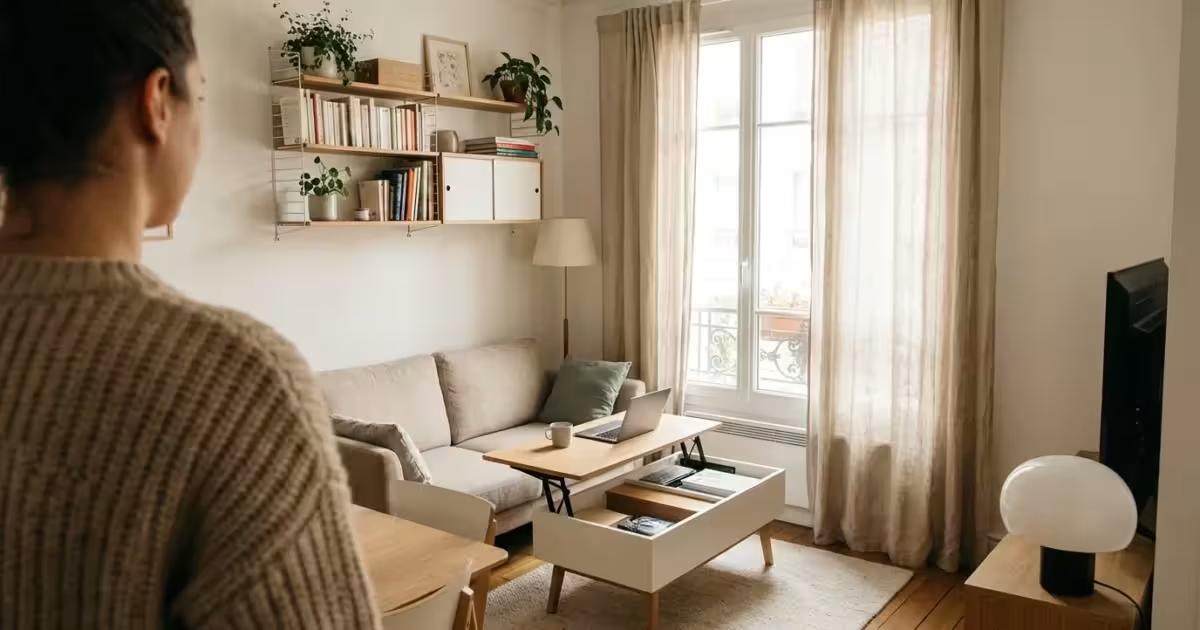
Transitioning to a smaller home certainly offers tremendous freedom, a point I made to Dorothy quite often when we were debating the move from our 2,400 sq ft colonial on Elmwood Drive. But I’ll admit, even for a civil engineer who thrives on efficiency, it presents new challenges.
Your living room, often the heart of the home, needs careful consideration to ensure it feels both spacious and welcoming. For us, downsizing was an opportunity to create a more intentional environment, one that truly supported our new life in Hawthorn Ridge, even if Dorothy had to come around to the idea.
I understand that letting go of items and reimagining your space involves emotional adjustments – Dorothy had plenty of those, especially with her garden in Columbus.
You’ll find here practical strategies and, yes, some empathetic advice, to help you transform your downsized living room into a functional, beautiful, and comfortable haven. You can create an inviting atmosphere that reflects your personal style without feeling cluttered or confined. It just takes a bit of planning.
Embracing Your Smaller Living Room: A New Perspective
Moving into a smaller home marks a significant life shift. For Dorothy and me, after 44 years in the same house, it was a monumental change. Our downsized living room here in Sarasota might initially feel like a puzzle, especially if you, like us, are accustomed to a much larger area.
But rather than viewing this change as a limitation, I considered it an exciting chance to simplify, optimize, and infuse our space with renewed purpose. Dorothy eventually agreed, though it took her a full year.
This process is about curating your environment. You are not sacrificing comfort or style; you are gaining efficiency and ease. We’ve found that a smaller, well-organized living space reduces stress and increases enjoyment of our surroundings.
This shift in mindset, from “loss” to “opportunity,” is foundational to successful downsizing.

Defining Your Living Room’s Purpose for a Small Space
Before you arrange any furniture or place any decor, consider how you truly intend to use your living room. A smaller footprint demands clear intentions.
This initial step prevents you from filling the area with items that do not serve a specific function or bring you joy – a common pitfall I tried to help Dorothy avoid when we were packing up our Columbus home, which held what I once estimated to be “approximately one metric ton of stuff we don’t need.”
Ask yourself these questions to clarify your vision:
- Will this be primarily a quiet reading nook?
- Do you envision it as a space for intimate conversations with a few guests?
- Will you use it for watching television or listening to music?
- Is it a place for hobbies, such as knitting or puzzles?
- Do you need it to accommodate grandchildren’s visits occasionally?
For us, the answers were clear: it needed to be comfortable for watching TV (especially for my pickleball replays), a place for Dorothy to practice her watercolor painting (she’s not good at it, but she doesn’t care), and flexible enough for Lily and Noah to play when they visit.
Your answers will guide every decision you make, from furniture selection to lighting and decor. For instance, if reading is a priority, comfortable seating, good lighting, and a small side table become essential. If entertaining is key, flexible seating options and clear pathways are important for a comfortable experience.
Furniture Choices for a Small Space: Smart Selections
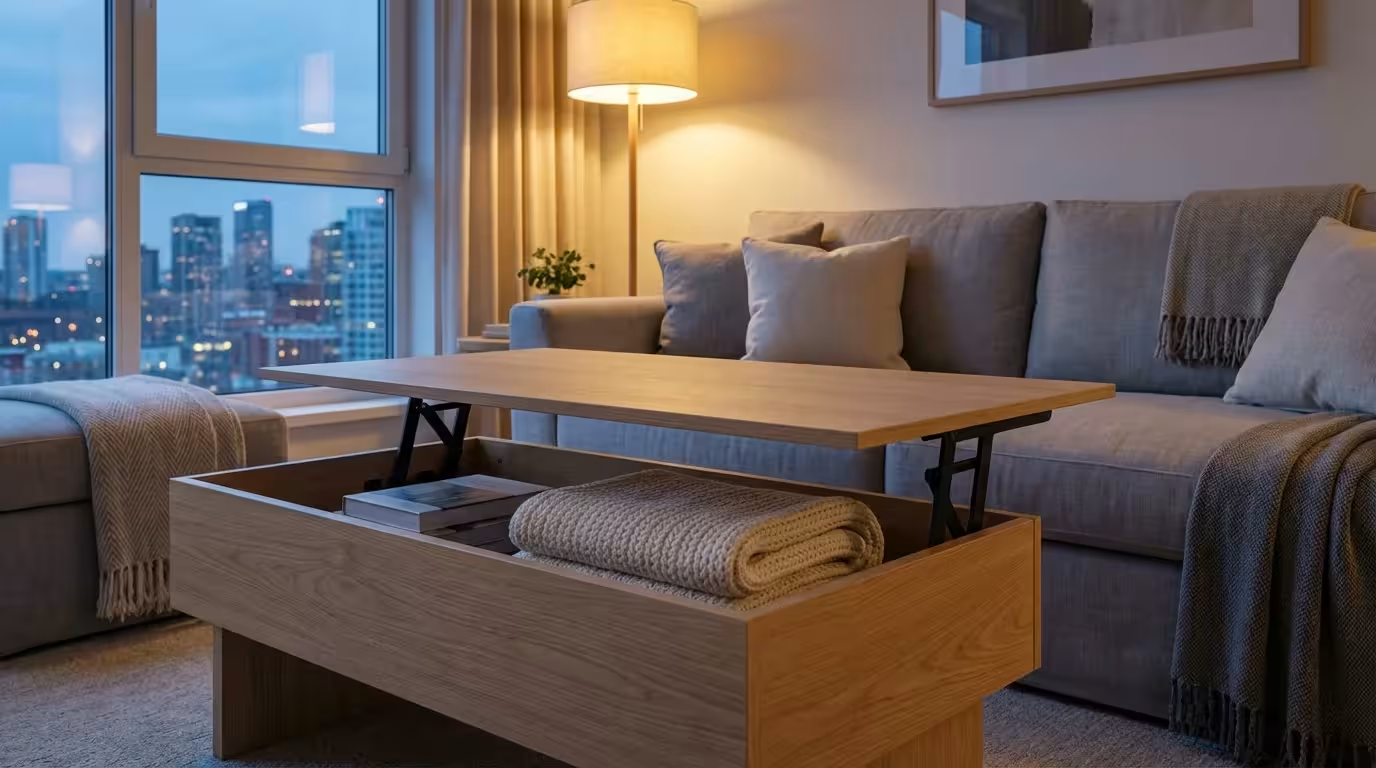
Selecting the right furniture is critical when maximizing space in a downsized living room. Large, bulky pieces can quickly overwhelm a smaller area, making it feel cramped and uninviting.
We certainly had to part with some of our larger, more traditional pieces from Columbus that simply wouldn’t fit, or wouldn’t allow for proper flow, in our new, more compact living room here in Hawthorn Ridge.
Focus on items that are appropriately scaled and offer multiple functions.
Prioritize Multifunctional Pieces
Smart furniture works harder in a small footprint. Look for items that can serve more than one purpose, reducing the total number of pieces you need.
- Ottomans with Storage: These provide extra seating, a footrest, and a place to tuck away blankets, magazines, or remotes.
- Sleeper Sofas or Daybeds: If you anticipate overnight guests but lack a dedicated guest room, a comfortable sleeper sofa is invaluable.
- Nesting Tables: These sets offer flexible surface space for drinks or snacks and tuck away neatly when not in use.
- Console Tables: Placed behind a sofa, they can serve as a small desk, a display area, or a bar.
Consider Scale and Leg Design
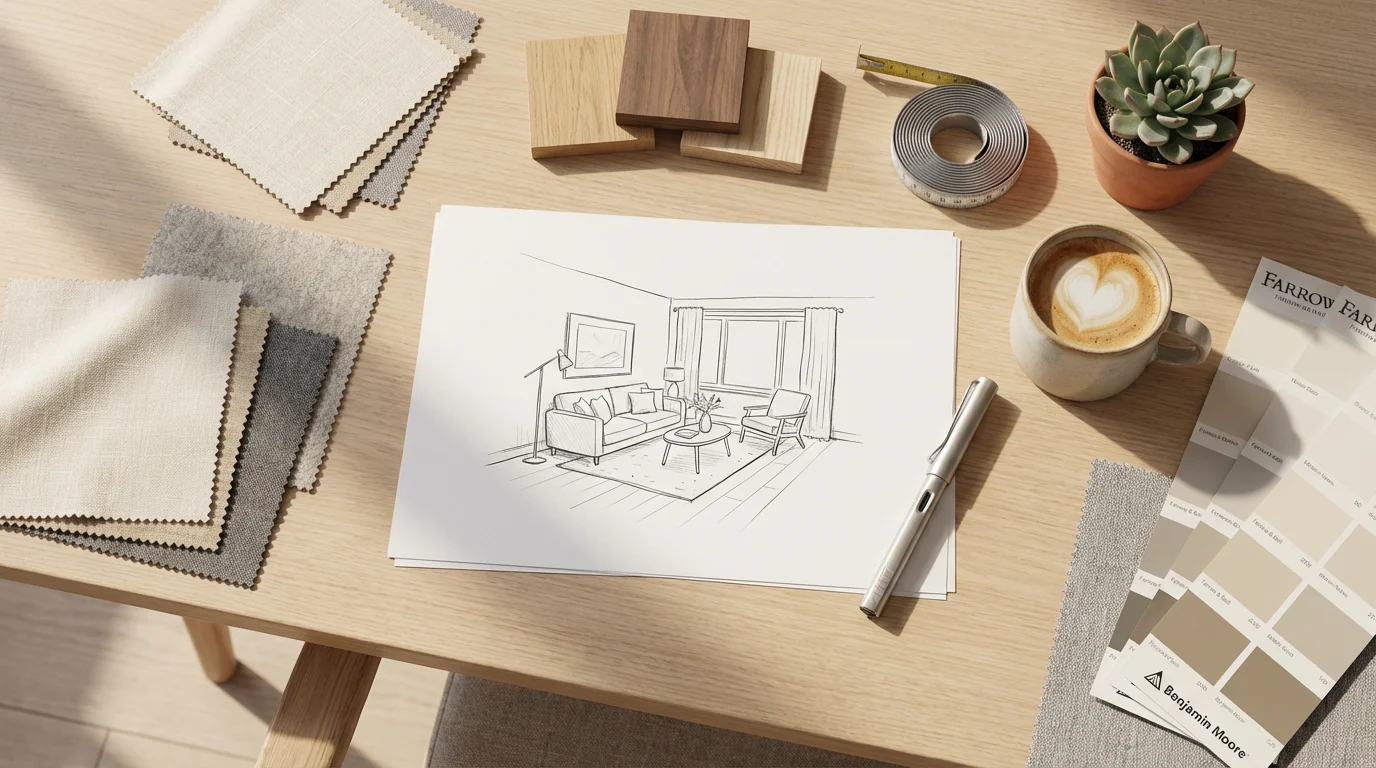
The size and visual weight of your furniture significantly impact how a small living room feels. Opt for pieces that do not consume too much floor space or block sightlines. I actually drew out our living room to scale and cut out furniture templates before we bought anything.
Dorothy thought it was overkill, but it ensured everything fit perfectly.
- Sleek Profiles: Choose sofas and chairs with clean lines, thin arms, and low backs. Avoid oversized, plush furniture.
- Legs that Show: Furniture with exposed legs, rather than solid bases, allows light to pass underneath. This creates an illusion of greater space and makes the room feel airier.
- Armless Chairs: Armless accent chairs take up less visual and physical space, fitting more easily into tight corners or against walls.
Maximizing Space with Vertical Storage and Clever Solutions
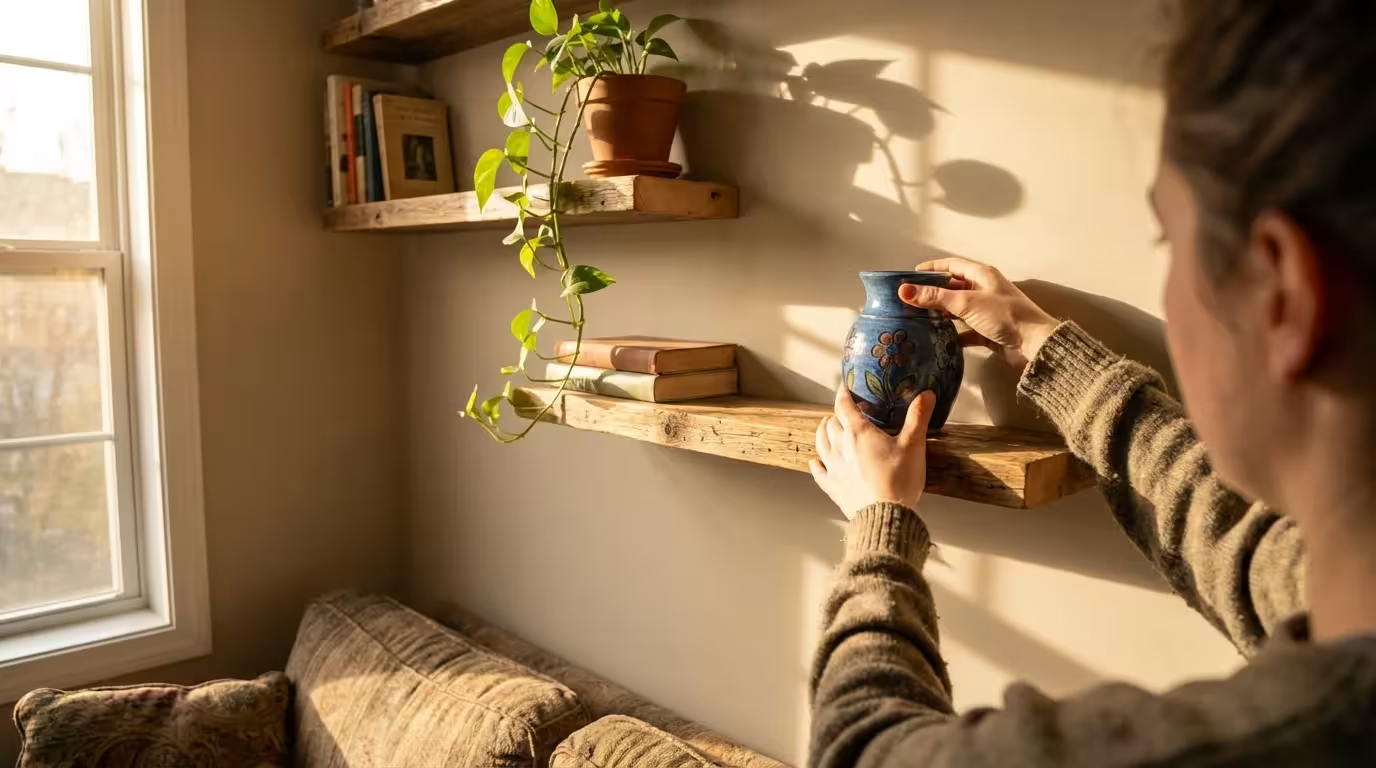
In a small living room, every inch counts, especially vertical space. Looking up allows you to store and display items without encroaching on valuable floor area. This approach helps maintain clear pathways and an open feel, something I insisted on for our new place.
I even installed some floating shelves myself to make sure they were properly secured.
Utilize Wall-Mounted and Tall Storage
Think vertically to expand your storage capacity. Walls are prime real estate for organizing and decorating.
- Floating Shelves: Install shelves above a sofa, television, or a reading nook to display books, photos, or small decorative items.
- Tall, Slim Bookcases: Choose narrow bookcases that reach towards the ceiling. These provide significant storage for books and collectibles without a large footprint. Ensure they are secured to the wall to prevent tipping.
- Wall-Mounted Cabinets: Enclosed wall cabinets offer discreet storage for items you prefer to keep out of sight, reducing visual clutter.
- Built-in Units: If possible, consider custom built-ins around a fireplace or along a wall. These maximize every available inch and provide a seamless, integrated look.
Smart Storage Accessories
Even small additions can make a big difference in keeping your living room organized.
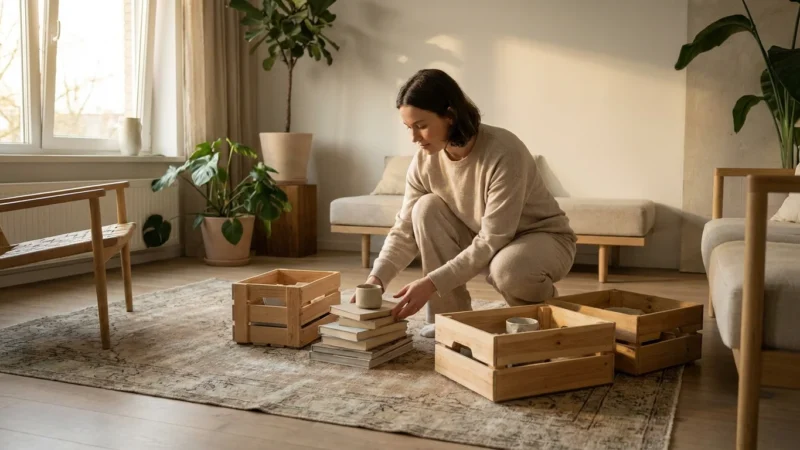
- Decorative Baskets and Bins: Use attractive baskets to store blankets, magazines, remote controls, or craft supplies. Place them under console tables or on shelves.
- Magazine Holders: Choose a sleek holder to keep reading materials tidy and off surfaces.
- Under-Furniture Storage: If your furniture has clearance, invest in slim, rolling containers to store seasonal items or extra linens.
Clutter is postponed decisions.
That observation resonates with me, especially after dealing with 44 years of accumulated possessions. It reminds us that managing our possessions often involves making choices. Applying this wisdom helps you keep your small living room functional and pleasant.
For specific guidance on decluttering, organizations like the National Association of Productivity & Organizing (NAPO) offer professional assistance through their network of organizers.
Living Room Design: Creating Flow and Visual Harmony
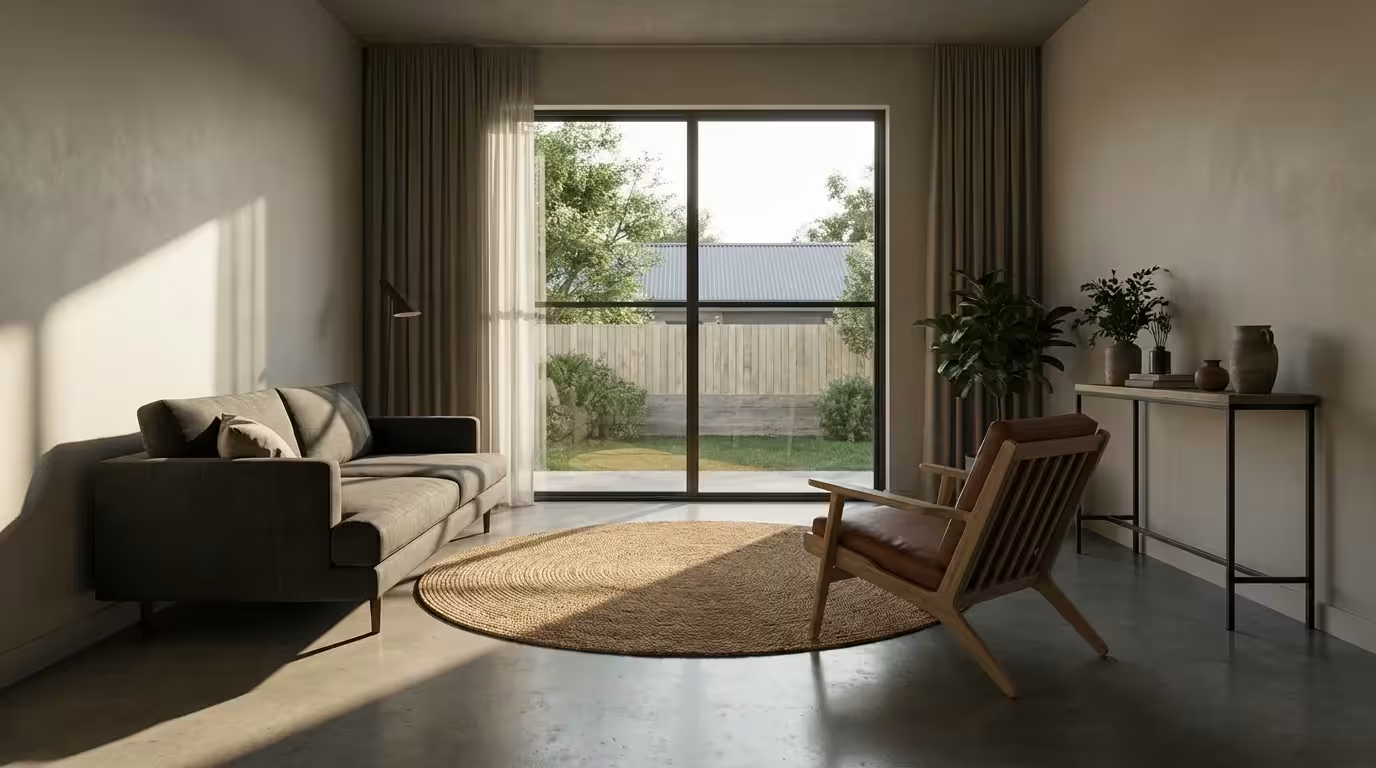
A successful small living room design, in my experience, emphasizes seamless movement and a cohesive aesthetic. When you maximize space, you are also creating an atmosphere that feels inviting and visually appealing.
Thoughtful arrangements prevent the room from feeling cramped or disorienting. I approached our living room layout like an engineering problem, optimizing for traffic flow and function.
Strategic Layouts for Movement
Plan your furniture placement to facilitate easy navigation. You want to avoid obstacles and create natural pathways.
- Anchor with the Largest Piece: Place your sofa first, typically against the longest wall or facing a focal point like a window or television.
- Maintain Clear Pathways: Ensure at least 30-36 inches of space for main walkways. For smaller areas, 24 inches for secondary paths can work. I actually taped out these dimensions on the floor of our new living room to visualize the space.
- Float Furniture When Possible: If your room allows, pulling a sofa slightly away from a wall can make the space feel larger and more intentional, rather than pushed against the perimeter.
- Consider Traffic Flow: Arrange seating so people can move between pieces without bumping into them. This is especially important when the grandkids, Lily and Noah, are running around.
Illusion of Space Through Design Elements
Certain design choices can trick the eye into perceiving a larger area. Incorporate these elements to enhance the feeling of openness.
- Light Colors: Paint walls in light, neutral tones such as off-white, cream, or pale gray. These colors reflect light, making the room feel brighter and more expansive.
- Mirrors: A well-placed mirror can dramatically enlarge a small room. Position it to reflect a window or an attractive piece of art, effectively doubling the visual space and light.
- Adequate Lighting: Combine overhead lighting with floor and table lamps to eliminate dark corners. Bright, evenly distributed light makes a room feel more open.
- Area Rugs: Use a single, appropriately sized area rug to define the living room area. Ensure the rug is large enough for the front legs of all main seating pieces to rest on it, which visually anchors the space and makes it feel unified.
Decorating with Intention: Personal Touches and How to Decorate a Small Living Room for Seniors
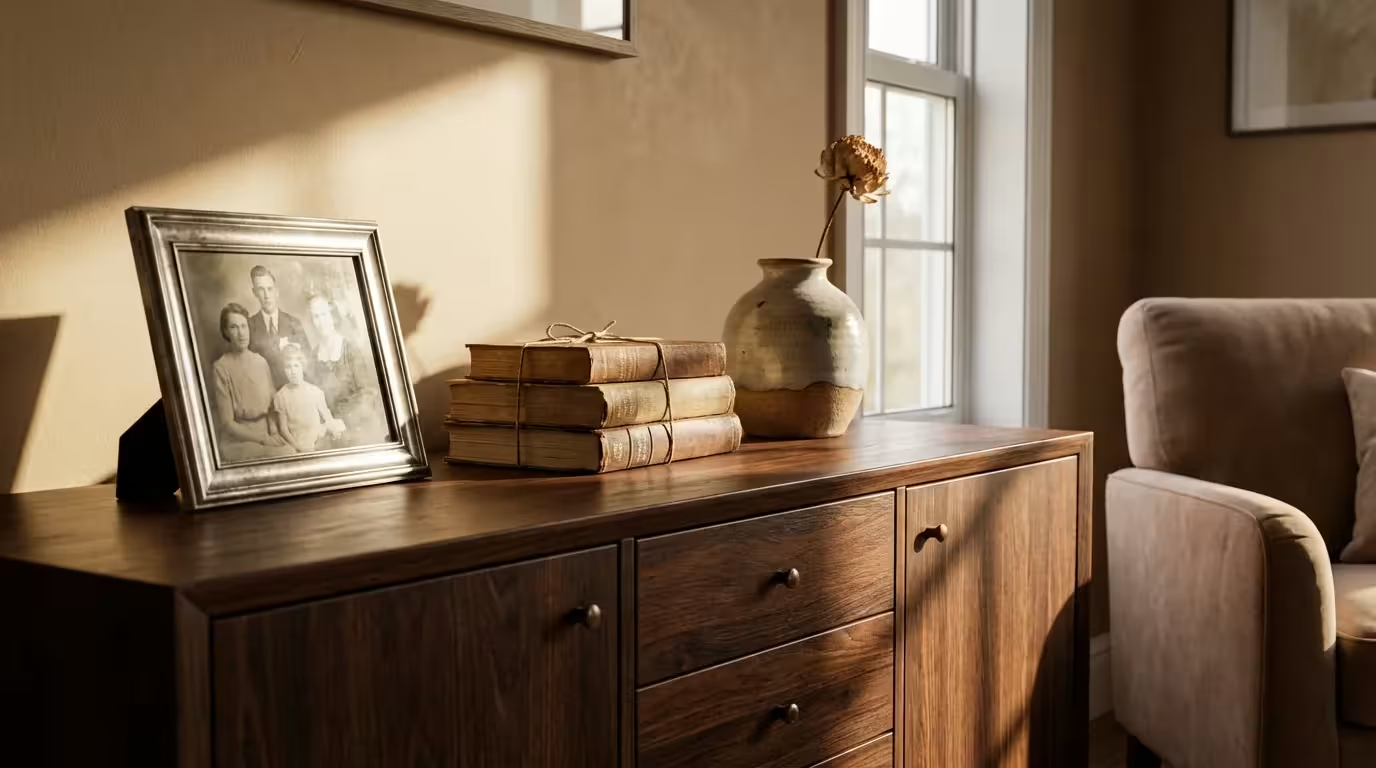
Your downsized living room should feel distinctly “yours,” reflecting your life and personality. Decorating with intention means choosing items that hold meaning and contribute to the overall comfort and beauty of the space.
For us, this also involved prioritizing safety and accessibility, especially with our grandchildren visiting, without compromising on style.
Curated Decor and Art
Resist the urge to fill every empty surface. In a small space, less is often more. Select a few cherished items that truly resonate with you. Dorothy, for instance, chose a few special photos of the kids and grandkids for a gallery wall, rather than trying to display every single picture album we owned in Columbus.
- Thoughtful Display: Instead of numerous small trinkets, choose a few larger, impactful pieces of art or significant decorative objects.
- Gallery Walls: Create a gallery wall with favorite photos or artwork. This draws the eye upward and showcases many items efficiently without consuming surface space.
- Personal Collections: If you have a collection, display a select portion beautifully rather than all of it. Rotate items periodically to keep the display fresh.
Accessibility and Comfort for Seniors
Decorating for comfort and safety is paramount. Ensure your living room is easy to navigate and enjoyable to use. I made sure our sofa and chairs were easy to get in and out of, a practical consideration that makes a big difference in daily life.
- Easy-to-Use Furniture: Select chairs and sofas that are not too deep or low, making it easier to sit down and stand up. Consider pieces with sturdy arms for support.
- Good Lighting: Incorporate task lighting for reading and hobbies. Ensure pathways are well-lit to prevent falls. Choose lamps with accessible switches.
- Clear Pathways: Keep floor areas free of cords, throw rugs that might slip, and clutter. This promotes safe movement.
- Non-Slip Surfaces: If using area rugs, ensure they have non-slip backing or are anchored with furniture to prevent tripping hazards.

Tackling Sentimental Items in Your Small Space
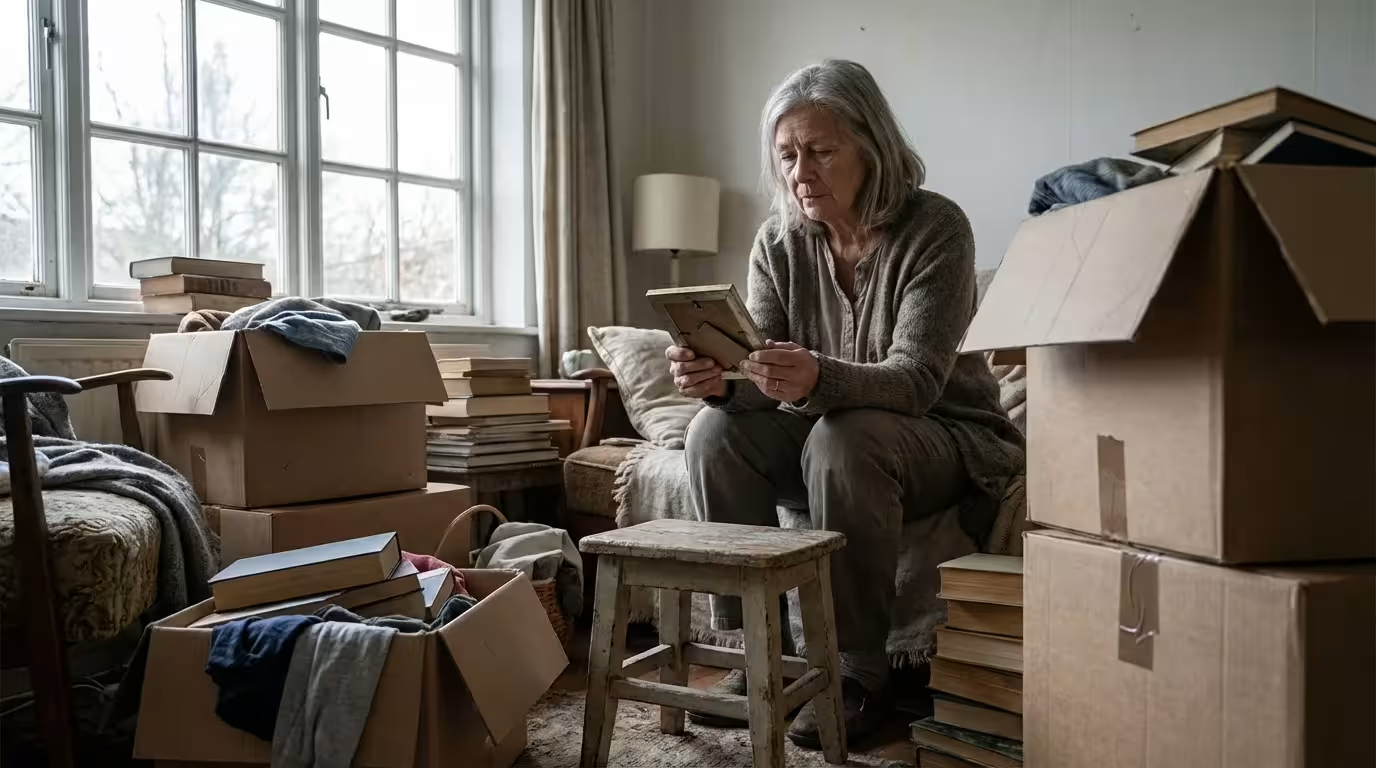
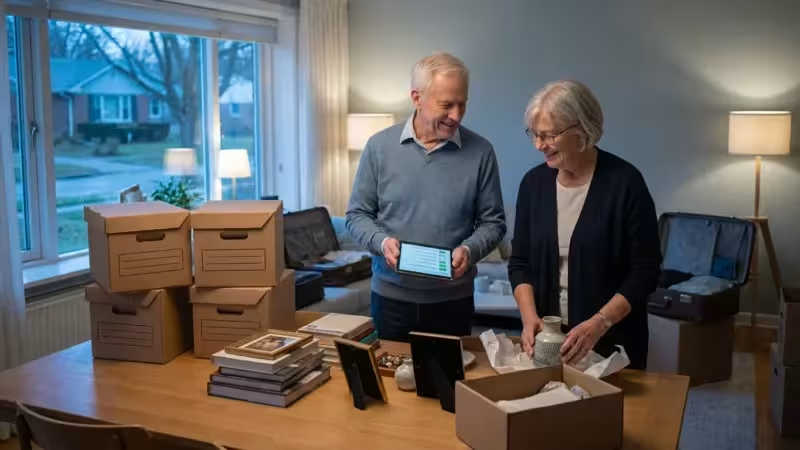
The emotional aspect of downsizing is often the most challenging, particularly when dealing with items that hold deep sentimental value. Dorothy certainly had her share of feelings when we were sorting through the house on Elmwood Drive – every item seemed to have a story.
These are not just “things”; they are tangible links to memories, loved ones, and your life story. Approaching these items with sensitivity and a clear strategy helps you navigate the process without feeling overwhelmed.
Strategies for Sentimental Possessions
You do not need to discard everything to live in a smaller home. Instead, find creative ways to honor your memories. We digitized hundreds of old photos and even some of Dorothy’s father’s letters, which was a practical solution that saved a lot of space.
- Select a Few Cherished Items: You might not have space for every heirloom or photo album. Choose the most meaningful pieces that truly bring you joy or represent significant memories.
- Digitize Memories: Photographs, old letters, and important documents can be scanned and stored digitally. This preserves the memory without needing physical space. Services exist to help you with this conversion.
- Reimagine and Repurpose: Can a piece of Grandma’s lace be framed as art? Can a collection of small heirlooms be displayed together in a shadow box? Look for ways to give new life to old treasures.
- Share with Family: Offer family heirlooms to children or grandchildren who will appreciate them. Seeing them used and loved by family members can bring immense satisfaction. Our daughter Karen took some of our old Christmas ornaments that had been in the family for decades.
- Create a “Memory Box”: Dedicate one small box to hold a selection of very special, irreplaceable items. This allows you to keep a tangible connection to your past without cluttering your home.
Remember, your memories reside within you, not solely in your possessions. The goal is to curate, not eliminate, your past. Focus on what you gain: a less cluttered home and a more intentional life, surrounded by what truly matters.
Common Challenges and Practical Solutions
Downsizing a living room, especially as a senior, can present unique hurdles. Anticipating these challenges and having a plan helps you overcome them efficiently. I found my usual methodical approach, the one I used for engineering projects, served us well here.
Dealing with Overwhelm
The sheer volume of decisions can feel daunting. You might experience decision fatigue or emotional paralysis. Dorothy certainly did at times, especially when faced with 30 years of Thanksgiving decorations.
- Break It Down: Tackle the living room in small segments. Focus on one wall, one furniture piece, or one cabinet at a time. This was my strategy for the entire house.
- Set Timers: Work for short, focused bursts, like 20-30 minutes, then take a break. This prevents burnout.
- Enlist Support: Ask a trusted friend, family member, or professional organizer to help. Sometimes, an objective perspective is invaluable. Our daughter Karen was a big help, especially when it came to convincing Dorothy about what the grandkids really wanted.
Finding Homes for Items You No Longer Need
Once you decide what to let go of, the next step is finding appropriate destinations for these items. Do not let them linger in your home.
- Donate: Charities like Goodwill or Habitat for Humanity ReStores accept a wide range of household goods and furniture in good condition. Donating provides a sense of purpose for your items and offers potential tax deductions. You can find more information about accepted donations on their respective websites.
- Sell: For valuable items, consider an estate sale, consignment shop, or online marketplaces. Companies specializing in estate sales can manage the entire process, including appraisal and selling.
- Recycle/Discard: For items that are broken or no longer usable, ensure they are disposed of responsibly. Check local recycling guidelines for electronics or hazardous materials. I even had a spreadsheet to track what went where and when.

Professional Help for a Smooth Transition
You do not have to navigate the downsizing process alone. While I pride myself on my planning and organizational skills, I can certainly appreciate that many people might need a little extra help.
Several professionals specialize in assisting seniors and their families, making the transition less stressful and more efficient.
Senior Move Managers
These specialists provide comprehensive assistance throughout the entire downsizing and moving process. They offer personalized services tailored to your specific needs.
- Planning and Organizing: Senior move managers help create a floor plan for your new living room, sort through possessions, and coordinate what to keep, donate, or sell. You can find certified professionals through organizations like the National Association of Senior Move Managers (NASMM).
- Packing and Unpacking: They expertly pack your belongings, ensuring fragile items are protected, and then unpack and set up your new home, including arranging your living room furniture.
- Emotional Support: Beyond logistics, they offer invaluable emotional support and guidance during a potentially stressful time, something Dorothy found very helpful from our friends and family.
Professional Organizers
If you primarily need help with decluttering and optimizing your current space before a move, a professional organizer can be highly beneficial.
- Decluttering Guidance: An organizer can provide hands-on help sorting through items, offering strategies for deciding what to keep, and implementing organizational systems for your small living room.
- Space Planning: They can advise on furniture placement and storage solutions to maximize functionality and visual appeal in your downsized space.
Engaging professional help allows you to focus on the exciting aspects of your new home, knowing the practical details are in capable hands. These experts bring efficiency and peace of mind to a process that can often feel overwhelming, even for the most organized among us.
Frequently Asked Questions
How do I choose the right size rug for a small living room?
For a small living room, choose an area rug large enough for the front legs of your main seating pieces, like your sofa and armchairs, to rest on it. This grounds the furniture and makes the space feel more cohesive and, visually, larger.
Avoid rugs that are too small, as they can make the room feel disjointed and emphasize its limited size. I always recommend measuring the space and the furniture before you buy.
What are the best furniture choices for small spaces to make it feel bigger?
The best furniture choices for small spaces include multifunctional items such as storage ottomans or nesting tables. Opt for pieces with sleek profiles, exposed legs, and lighter colors. Furniture that allows you to see the floor underneath creates an illusion of more space.
Transparent materials like glass or acrylic also help maintain an open feel, allowing light to pass through.
Is it better to have many small decor items or a few large ones in a small living room?
In a small living room, it is generally better to have a few larger, more impactful decor items than many small ones. Numerous small trinkets, what I call “visual noise,” can create clutter and make the room feel chaotic and cramped.
A few carefully chosen, larger pieces draw the eye and contribute to a sense of calm and sophistication without overwhelming the space. It’s about intentionality.
P.S.: Here Are Some Organizing Tips for Your Downsized Home!
How can I make my small living room feel brighter without major renovations?
You can make your small living room feel brighter by painting walls in light, neutral colors, which reflect light. Strategically place mirrors to bounce light around the room, especially opposite windows. Incorporate multiple light sources, including overhead, task, and accent lighting, to eliminate dark corners.
Using sheer curtains and keeping windows unobstructed also maximizes natural light. It’s a matter of optimizing the available light sources.
Disclaimer: This article is for informational purposes only. Downsizing decisions are deeply personal and should be made at your own pace. I know firsthand that the emotional aspects of letting go can be tough – Dorothy certainly taught me that. If you’re struggling, consider speaking with a counselor or therapist who specializes in life transitions. For valuable items, always consult with appraisers or estate professionals to ensure you’re making informed decisions.







Leave a Reply