

Selling your home, especially as you approach or enter retirement, is a monumental shift. Dorothy would tell you it’s packed with emotions, and she’d be right. But from my perspective as a civil engineer, it’s also one of the most significant financial and logistical projects you’ll undertake in this chapter of your life.
Our home on Elmwood Drive in Columbus, Ohio, wasn’t just a house; it was 44 years of memories, a place where we raised three kids, and as I once estimated, contained “approximately one metric ton of stuff we don’t need.”
Preparing that house for sale correctly was crucial to maximizing its market value and appeal. I saw it as a strategic engineering problem: how do we ensure we get the best possible return on our biggest asset?
That return provides the financial flexibility for whatever comes next. This guide outlines the practical, actionable steps I took to navigate our home selling process effectively, transforming our property into a highly desirable asset on the market.

Understanding Your Motivation: The Strategic Decision to Sell
For me, selling our home was a strategic decision, a pivotal step to influence our retirement lifestyle. When I retired in 2021, I immediately knew I wanted to downsize and move somewhere warm.
Dorothy wasn’t quite ready, but my motivation was clear: I envisioned less maintenance, more time for hobbies like pickleball, and the financial freedom to explore new opportunities. Clarifying my “why” provided the solid foundation for the two years of research and planning that followed.
I considered our retirement vision carefully. Did I envision travel, new hobbies, or a simpler life with fewer home maintenance responsibilities? Our housing choice directly impacted our ability to achieve those goals.
I evaluated how selling our 2,400 sq ft colonial on Elmwood Drive aligned with our broader financial and lifestyle objectives. It was a matter of optimizing our resources for the next phase.
I asked myself (and presented to Dorothy) these critical questions before committing to the sale:
- What are my primary reasons for selling this home at this time? (For me, it was warmth, lower maintenance, and proximity to new activities.)
- How will the proceeds from the sale impact my overall retirement budget and financial security?
- What kind of living situation do I envision for my next chapter? (A 55+ active adult community in Sarasota, for starters.)
- What is my ideal timeline for moving, and how flexible am I?
- How will this move affect my social connections, healthcare access, and daily routine?
Assessing Your Property’s Current Value and Market Readiness
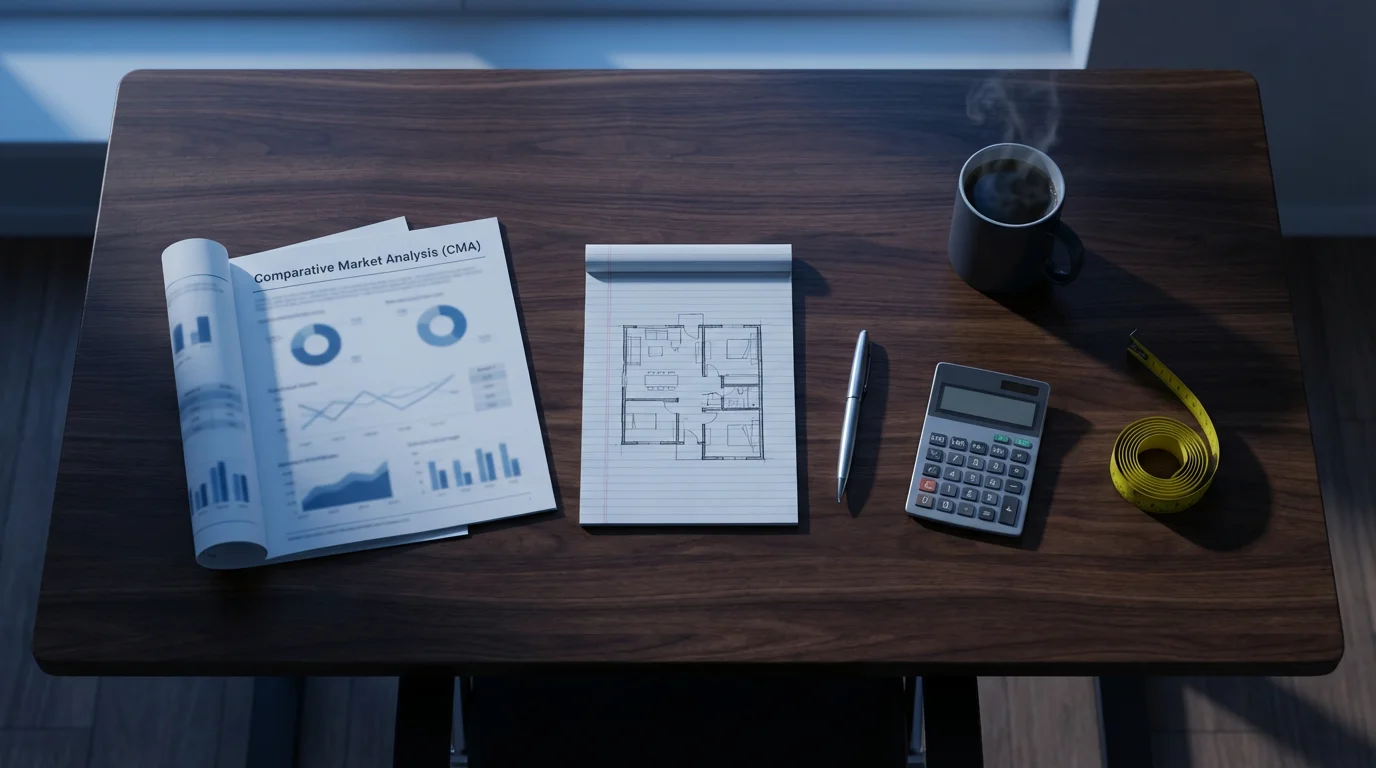
As an engineer, understanding our property’s value was the bedrock of my home selling strategy. I started by securing a Comparative Market Analysis (CMA) from a reputable real estate agent, and then another, just to cross-reference the data.
This report, which evaluates recent sales of similar homes in our area, provided a data-driven estimate of our home’s current market value. I even built a small spreadsheet to compare the CMAs. Yes, I do that.
Next, I conducted an objective walk-through of our 2,400 sq ft colonial, identifying both its strengths and areas requiring attention. I tried to look at our home through the eyes of a prospective buyer, noting aspects like curb appeal, interior condition, and functional layout.
I even commissioned a pre-listing inspection to uncover any hidden issues that could derail a sale later. Addressing these proactively, as I’ve learned from years of project management, saves time, money, and stress down the line.
Our agent helped me interpret the CMA and recent market trends. They also advised on competitive pricing strategies, which was crucial for attracting serious buyers.
This initial assessment helped set realistic expectations for the sale and identified areas where improvements would yield the best return. It was all about the data, and getting it right from the start.
Strategic Home Improvements: Where to Invest for Maximum Return
When it came to home improvements, I always focused on return on investment (ROI). I made sure our efforts were on updates that would appeal broadly to buyers and address common pain points, rather than highly personalized renovations.
Dorothy had a few ideas for “charming” touches, but I steered us toward updates that would demonstrably increase property value without overspending. The goal was to make our 44-year-old home competitive in the modern market.
We considered these areas for strategic improvements:
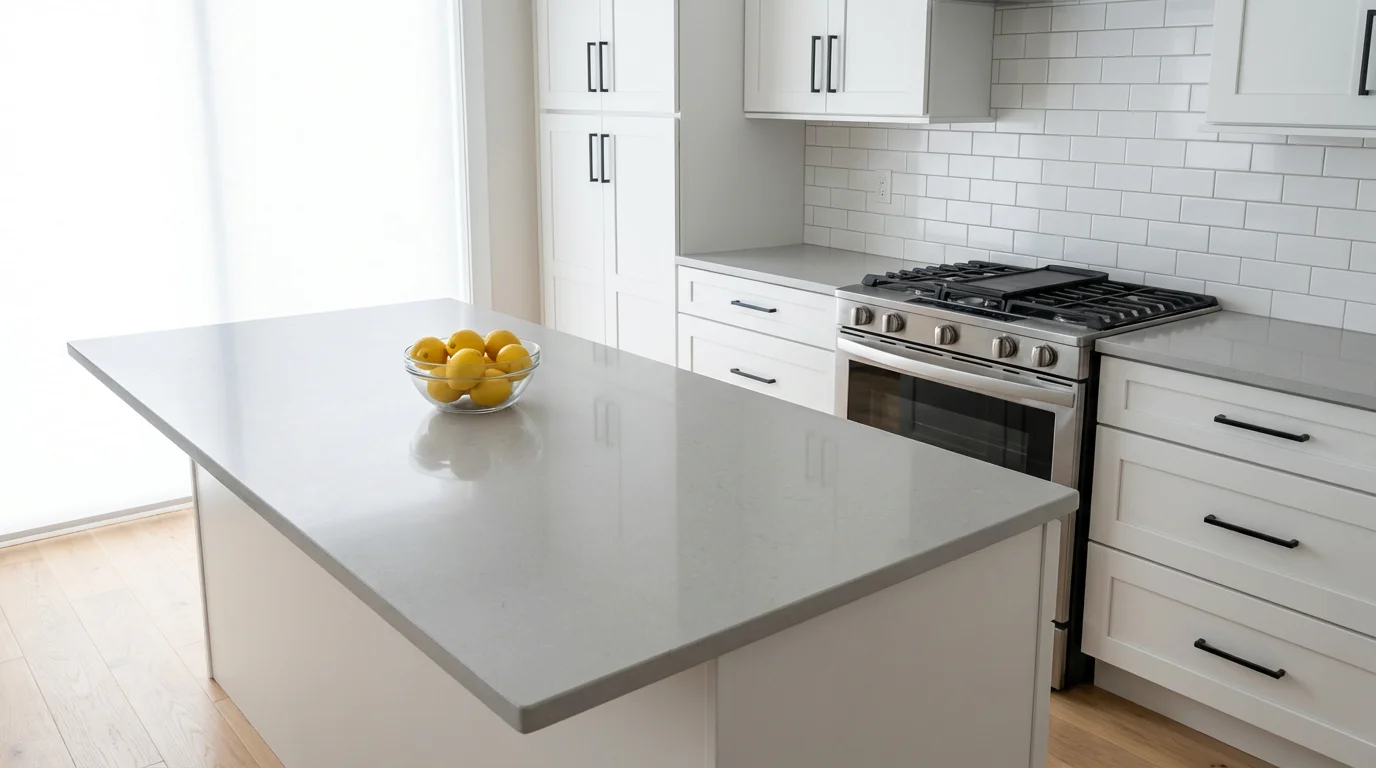
- Kitchen and Bathroom Refreshes: These rooms significantly influence buyer perception. We opted for cosmetic updates such as fresh paint, updated hardware, new light fixtures, and re-grouting. Replacing an outdated sink or vanity also made a big impact without the cost of a full remodel.
- Curb Appeal: First impressions matter, and I knew our large front yard on Elmwood Drive needed to shine. We enhanced our home’s exterior with fresh landscaping, a clean entryway, and updated outdoor lighting. Pressure washing the siding and driveway dramatically improved overall appearance. I even convinced Dorothy to let me paint the front door a neutral, welcoming color.
- Addressing Maintenance Issues: Buyers look for well-maintained homes, and I certainly didn’t want any red flags on an inspection. We repaired leaky faucets, fixed broken tiles, and ensured all appliances were in working order. I personally checked the roof, HVAC system, and plumbing for any necessary repairs. A well-maintained home signals fewer headaches for the new owner.
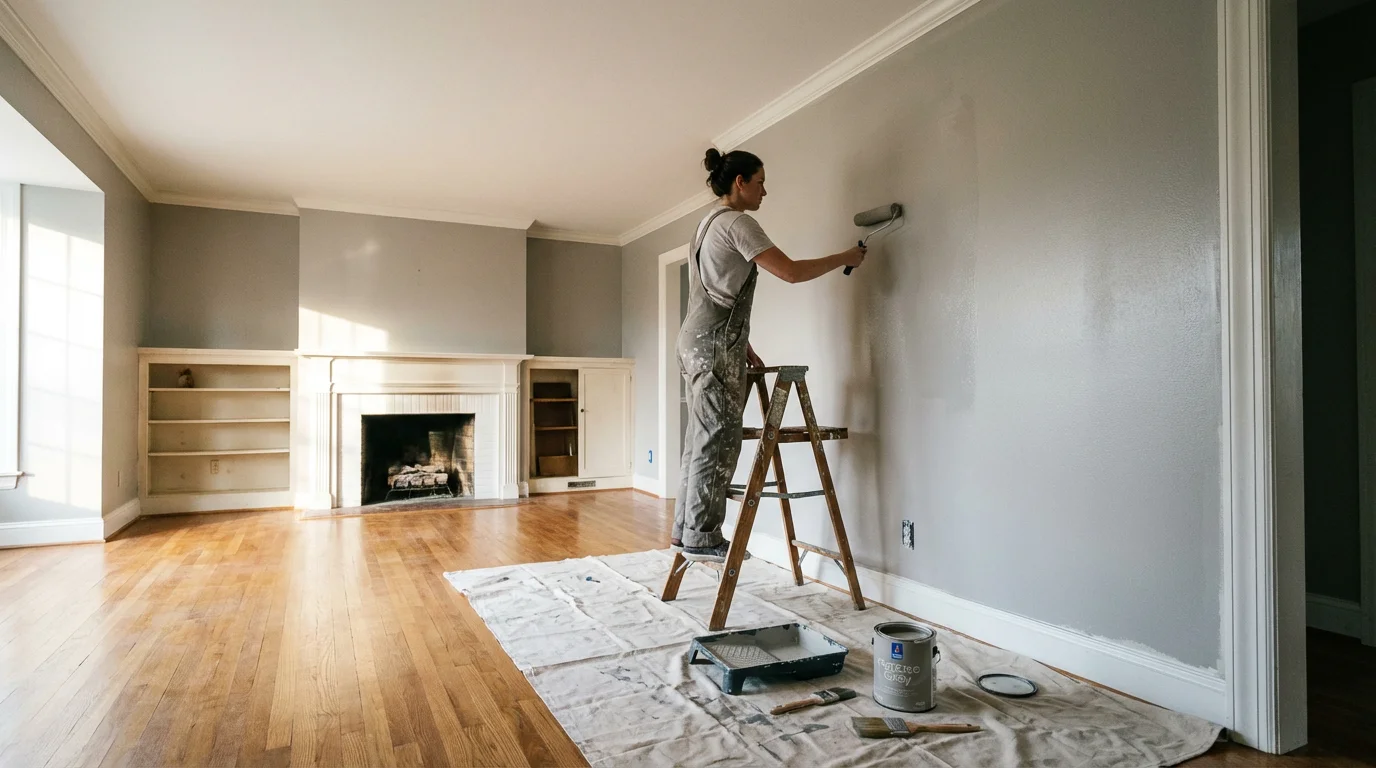
- Neutral Paint Colors: Repainting interiors with neutral, light colors creates a clean, bright canvas. This allows prospective buyers to envision their own style in the space, expanding its appeal. Light colors also make rooms appear larger and more inviting, which was particularly important for some of the cozier spaces in our older colonial.
We focused on high-impact, low-cost improvements. For example, replacing old light fixtures and upgrading electrical outlets are inexpensive fixes that modernize a home. The goal, as always, was to maximize appeal for the greatest number of potential buyers, rather than catering to specific tastes.
Here is a general guide to potential ROI on common improvements, based on industry averages:
| Improvement Type | Estimated Cost | Average ROI |
|---|---|---|
| Minor Kitchen Remodel (cosmetic) | $15,000 – $25,000 | 70% – 80% |
| Bathroom Refresh (cosmetic) | $5,000 – $10,000 | 60% – 70% |
| New Entry Door (steel) | $2,000 – $3,000 | 65% – 75% |
| Garage Door Replacement | $1,500 – $4,000 | 80% – 90% |
| Minor Landscaping Enhancements | $1,000 – $5,000 | 100% – 150% |
| Attic Insulation (fiberglass) | $1,500 – $3,000 | 75% – 85% |
| Deck Addition (wood) | $10,000 – $18,000 | 60% – 70% |
Note: These figures are general estimates and vary significantly based on location, quality of materials, and local market conditions. Always consult with a local real estate professional and contractor for personalized advice.

Decluttering and Depersonalizing: Creating Broad Appeal
Decluttering and depersonalizing our home was, admittedly, where Dorothy and I often found ourselves on different pages. I saw it as a necessary, systematic process to make the house marketable; she saw it as letting go of 44 years of memories.
I had once estimated we had “approximately one metric ton of stuff we don’t need,” and this was the time to prove it.
As you sort through your belongings, you may even find opportunities for monetizing your memories by selling valuable heirlooms or collectibles.
I encouraged us to start early and approach this task systematically. We sorted items into categories: keep, donate, sell, or discard. I rented a storage unit for items we wished to keep but didn’t want visible during showings – things like family photos, Dorothy’s various collections, and some larger furniture pieces.
This provided a temporary home for our personal history while we prepared the house for its future owner.
Key actions for decluttering and depersonalizing included:
- Removing all personal photographs, memorabilia, and highly specific decor.
- Clearing off countertops in kitchens and bathrooms, leaving only essential, decorative items.
- Emptying at least half of the contents from closets, cabinets, and drawers to make them appear spacious.
- Removing excess furniture to make rooms feel larger and easier to navigate.
- Packing away books, magazines, and other personal reading materials.
- Storing grandchildren’s toys and pet supplies out of sight.
The goal was to present a clean, airy, and neutral environment. This allowed prospective buyers to project their own lives into the space, rather than getting caught up in ours. A depersonalized home facilitates a stronger emotional connection for buyers, potentially leading to faster offers – which was my primary objective.

The Art of Home Staging: Presenting Your Property’s Best Face
While Dorothy might call it “the art of home staging,” I saw it as a strategic investment to transform our property from a house into a dream home in the eyes of buyers. After all the decluttering, staging was the next logical step to highlight our home’s best features and create an inviting atmosphere.
My research showed that professional home staging could significantly reduce time on the market and often led to higher selling prices, so we definitely budgeted for it.
Even if professional staging isn’t in your budget, you can implement many staging principles yourself. Here’s what we focused on:
- Optimize Furniture Placement: We arranged furniture to define spaces and improve flow. I made sure pathways were clear and furniture pieces didn’t block natural light or views. Creating conversational groupings in living areas made them feel more welcoming.
- Enhance Lighting: Brightening rooms by opening curtains, cleaning windows, and adding lamps where needed was a simple but effective fix. Good lighting makes spaces feel larger and more welcoming. I made sure all light fixtures had working, matching bulbs – a small detail that makes a big difference.
- Add Subtle Touches: Our stager introduced neutral decorative items like fresh flowers, a bowl of fruit, or a plush throw blanket. Dorothy appreciated these touches more than I did, but I could see their effect. These small additions create a sense of warmth and luxury without being distracting. Mirrors were used to reflect light and expand space.
- Emphasize Key Areas: If you have a beautiful fireplace, make it a focal point. If your kitchen has a large island, set it with a few elegant place settings. We wanted to help buyers visualize the best use of each space in our home.
- Maintain Cleanliness: A staged home must also be impeccably clean. This includes scrubbing bathrooms, polishing floors, and ensuring every surface sparkles. A clean home indicates a well-cared-for home, and that’s a message I wanted to send loud and clear to prospective buyers.
Effective home staging helps buyers emotionally connect with your property. It helps them see not just a house, but a potential lifestyle. This emotional connection is a powerful motivator in the home selling process, and it was a critical component of our strategy.
Essential Repairs and Maintenance: Avoiding Deal Breakers
Beyond strategic improvements, addressing essential repairs and routine maintenance was non-negotiable for me. As an engineer, I knew that minor issues could easily become major obstacles during the sale process.
Buyers often perceive deferred maintenance as a sign of neglect, leading to lower offers or even withdrawn bids. I prioritized fixing anything that could trigger buyer concerns or fail a home inspection, going through our 44-year-old house with a fine-tooth comb.
I created a comprehensive checklist of repairs:
- Structural Integrity: We had no major issues here, thankfully, but I certainly checked for any cracks in the foundation, sagging floors, or signs of water damage. These are major red flags for buyers.
- Roof and Gutters: I personally inspected the roof for missing shingles and ensured gutters were clear of debris, with downspouts directing water away from the foundation.
- HVAC System: I had our heating, ventilation, and air conditioning system serviced by a professional, ensuring it functioned efficiently and wouldn’t be a point of contention.
- Plumbing: I fixed all leaky faucets, running toilets, and slow drains. I also checked for any signs of water stains on ceilings or walls, indicating hidden leaks.
- Electrical System: I ensured all outlets and switches worked correctly. While we didn’t have to replace our fuse box, I made sure everything was up to code.
- Pest Control: We had a professional come in to ensure there were no signs of pests, from insects to rodents. Buyers appreciate a pest-free home.
- Small Fixes: I tightened loose doorknobs, replaced a broken windowpane, and repaired damaged screens. These small details collectively convey a sense of care and thoroughness.
Completing these essential repairs before listing signaled to buyers that our home was well-maintained and move-in ready. This confidence encourages stronger offers and smoother transactions. It also minimized negotiation points once an offer was on the table, which was a huge relief for both Dorothy and me.

Navigating the Listing Process: Photography, Pricing, and Marketing
Once our home was prepared, the next phase involved strategically listing and marketing it to attract the right buyers. This crucial stage largely determines how quickly your home sells and for what price.
For me, partnering with an experienced real estate agent was invaluable here, and I spent a good amount of time researching and interviewing several before making a decision.
- Professional Photography: High-quality photographs were non-negotiable. Most buyers begin their home search online, and compelling visuals capture their attention. I made sure our agent invested in professional photography that highlighted our home’s best features and showcased its staged appeal. We even had drone photography for exterior shots of our large lot on Elmwood Drive.
- Strategic Pricing: Our agent worked with me to determine the optimal listing price based on their Comparative Market Analysis, current market conditions, and our home’s unique attributes. Pricing your home correctly from the outset attracts more buyers and prevents your listing from stagnating. An overpriced home often deters potential buyers, and I wasn’t going to let that happen.
- Compelling Descriptions: I worked closely with our agent to craft an engaging listing description. I made sure it highlighted key features, recent upgrades we’d made, and the benefits of our Columbus location. We used strong, descriptive language that appealed to both emotions and logic.
- Multi-Channel Marketing: Our agent implemented a comprehensive marketing plan. This included listing our home on multiple listing services (MLS), popular real estate websites, and social media platforms. We also had open houses and private showings. I wanted maximum exposure, and I tracked the metrics.
- Communication and Feedback: I maintained open communication with our agent, requesting regular updates on market interest, showing feedback, and any potential adjustments to the strategy. I was prepared to be flexible based on market response, though thankfully, our preparation paid off quickly.
A well-executed listing and marketing strategy significantly increases visibility and buyer interest. This proactive approach helped us find the right buyer quickly and secure a favorable sale, paving the way for our move to Hawthorn Ridge.

Legal and Financial Considerations for Selling Your Home
Selling a home involves significant legal and financial complexities, a realm where my “NASA mission” level of detail really comes into play. Understanding these aspects early protects your interests and ensures a smooth transaction.
I made sure to consult with qualified professionals to navigate potential tax implications, understand closing costs, and manage sale proceeds effectively. This wasn’t a step to be taken lightly.
Here are key financial and legal points I meticulously considered:
- Capital Gains Tax: I spent a good amount of time understanding the tax implications of selling our primary residence. The IRS offers exclusions for capital gains on the sale of a home if you meet certain ownership and use tests. Consulting with a tax advisor was crucial here to ensure we maximized our exclusion. This significantly impacts your net proceeds.
- Closing Costs: I was keenly aware of the various fees associated with closing the sale. These typically include real estate agent commissions, title insurance, attorney fees, transfer taxes, and escrow fees. Our real estate agent provided an estimate, but I double-checked everything.
- Mortgage Payoff: I confirmed the exact payoff amount for our existing mortgage, including any prepayment penalties. This figure was crucial for calculating our net proceeds and ensuring our financial projections for the move to Florida were accurate.
- Required Disclosures: I familiarized myself with Ohio’s state and local disclosure requirements for sellers. You must disclose known defects or environmental hazards. Failure to disclose accurately can lead to legal issues after the sale, and I wasn’t taking any chances.
- Gathering Documents: I started gathering important documents well in advance: our property survey, previous inspection reports, records of major repairs or upgrades, and utility bills. Buyers and their lenders often request these, and I had a dedicated folder for everything.
You can find valuable information regarding tax implications and other financial planning resources on the IRS Retirement Topics page. For personalized advice, consult a certified financial planner.
They helped me integrate the sale proceeds into our broader retirement income and budgeting strategy, ensuring financial stability for our next chapter. The CFP Board Find a CFP tool can help you locate a qualified advisor.

Preparing for the Move and Your Next Chapter
Selling our home was just one part of a larger transition, a transition I had researched for two full years. As we finalized the sale of our Columbus house in April 2023, I was already deep into planning for the physical move and preparing for our new chapter in Sarasota.
This final stage involved meticulous logistics, personal adjustments, and, yes, a good deal of excitement for what lay ahead at Hawthorn Ridge.
I considered these practical and emotional steps:
- Logistical Planning: I researched reputable moving companies and obtained quotes, comparing them in (you guessed it) a spreadsheet. We started packing non-essential items well in advance, and I created an inventory of our belongings for insurance purposes. I also planned for utility transfers and address changes, ensuring a seamless switch from Ohio to Florida.
- Forwarding Services: I set up mail forwarding with the postal service and updated our address with banks, subscription services, and healthcare providers. This ensured a smooth transition of important communications, especially for managing our finances.
- Emotional Preparation: Dorothy, of course, had a more significant emotional journey with leaving our long-time home. I allowed her time to reminisce, while I focused on the positive aspects of our new beginning. I framed this transition as an exciting step toward our ideal retirement lifestyle, which, for me, meant more pickleball and less snow shoveling.
- New Home Set-Up: Having secured our new residence at Hawthorn Ridge, I planned for its set-up, including what furniture we would take and what we would need to purchase. Creating a comfortable new space was key to easing the transition for both of us.
- Community Integration: I had already researched Hawthorn Ridge thoroughly, so I knew about the local resources, social groups, and healthcare options. Proactively engaging with our new environment, like joining the pickleball league and volunteering at the local food bank, helped me settle in quickly and build new connections. It truly is a chance to cultivate the retirement lifestyle I envisioned.
Embrace this period of change with optimism and a clear vision for your retirement years. Our home sale provided the foundation for new opportunities and adventures, and I can confidently say, two years in, that I was right about the move. (Though I mostly stopped saying it, Dorothy reminded me.)
Frequently Asked Questions
How far in advance should I start preparing my home for sale?
From my experience, I recommend beginning preparation 6 to 12 months before you plan to list. This timeline allows ample time for major repairs, strategic improvements, decluttering, and staging without feeling rushed.
Some minor refreshes can happen closer to listing, but larger projects, like the ones we tackled on our Columbus home, definitely require more lead time to do them right.
What are the most impactful home improvements for increasing property value?
Based on my analysis, focus on cost-effective updates in kitchens and bathrooms, enhancing curb appeal, and addressing essential maintenance. These areas generally yield the highest return on investment because they appeal broadly to buyers and indicate a well-maintained home.
I made sure we avoided highly personalized renovations that appeal to only a niche market; it’s about broad appeal for maximum value.
Is professional home staging truly worth the cost?
Yes, in my opinion, professional home staging often proves a worthwhile investment. Staged homes typically sell faster and for higher prices than unstaged homes.
Stagers have an objective eye to highlight your home’s best features, create an appealing atmosphere, and help buyers envision themselves in the space, leading to stronger offers. It was certainly a key part of our strategy.
How do I manage the emotional aspect of decluttering and selling a long-time home?
This was a big one for Dorothy, and it’s important to acknowledge. I found it best to approach the process in stages, allow time to process emotions, and focus on the future benefits of your move. Involve family or a trusted friend for support, and celebrate small milestones. Remember that you are creating space for new memories in your next chapter, not erasing old ones.
What are the tax implications of selling my primary residence?
The IRS allows you to exclude a significant portion of capital gains from the sale of your primary residence if you meet specific ownership and use tests. Single filers can exclude up to $250,000 in gains, while married couples filing jointly can exclude up to $500,000.
I highly recommend consulting with a tax advisor or referring to the IRS website for detailed information relevant to your specific situation, as this can significantly impact your net proceeds.
Should I complete a pre-listing inspection before selling?
A pre-listing inspection is highly recommended, and it’s a step I personally undertook for our home. It uncovers potential issues before buyers discover them, giving you time to make repairs or disclose them upfront.
This transparency builds trust with buyers and reduces the likelihood of surprises or renegotiations after an offer is accepted, leading to a smoother transaction. It’s a proactive measure that pays off.
Disclaimer: This article is for informational purposes only and does not constitute financial, legal, tax, or investment advice. Retirement planning decisions should be made in consultation with qualified professionals including certified financial planners, tax advisors, and estate planning attorneys. Individual circumstances vary significantly, and this content should not be relied upon as a substitute for professional advice tailored to your specific situation.









Leave a Reply