
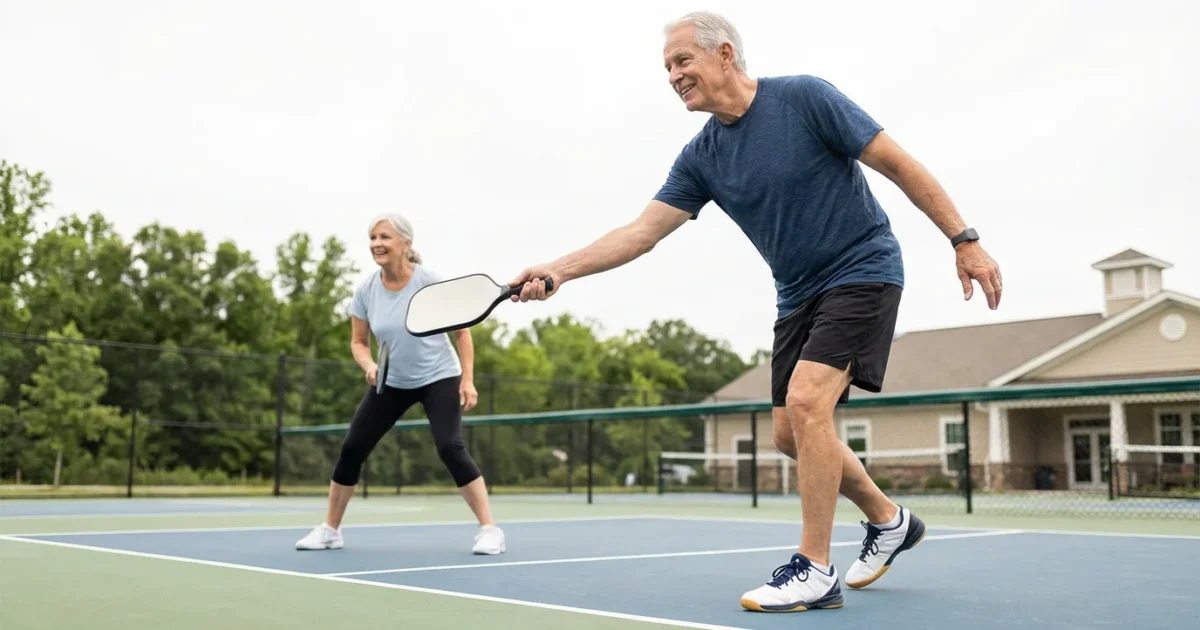
You have reached a wonderful stage of life, filled with potential for new adventures and vibrant activity. If you seek a sport that offers both invigorating exercise and abundant social connection, look no further than pickleball. This engaging paddle sport, often described as a blend of tennis, badminton, and table tennis, quickly captures hearts with its easy-to-learn rules and lively pace. It provides an accessible entry point into regular physical activity, promising fun and fitness in equal measure.
Embracing pickleball offers a fantastic way to enhance your physical well-being, sharpen your mind, and expand your social circle. This guide walks you through everything you need to know to confidently step onto the court and discover your passion for this dynamic game. Prepare to unlock a new level of active enjoyment.
Why Pickleball Is Your Next Favorite Senior Sport
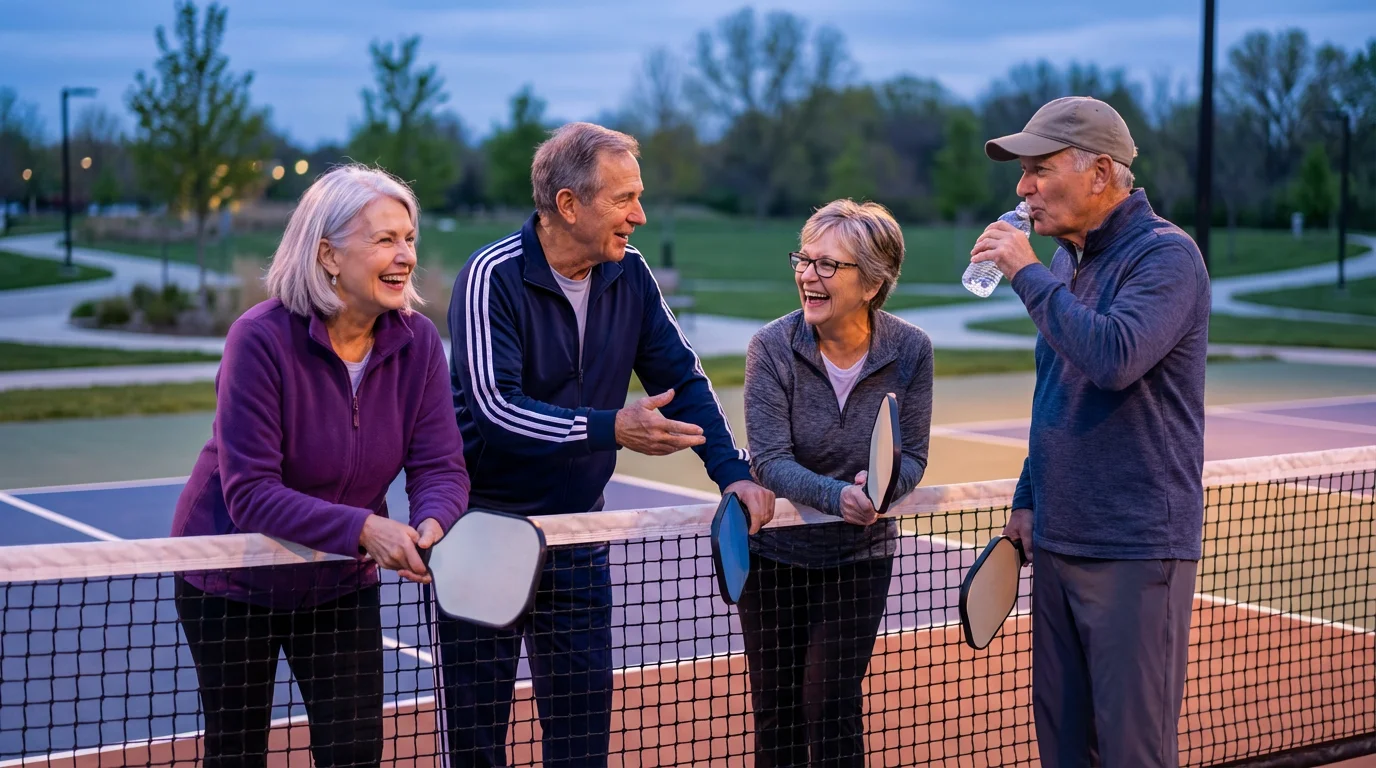
Pickleball has rapidly become a sensation, particularly among active seniors, for compelling reasons. It offers a unique combination of accessibility, social interaction, and robust exercise benefits. This makes it an ideal choice for those aiming to maintain a vibrant, healthy lifestyle in retirement. You will find it strikes a perfect balance between challenge and enjoyment.
The game’s smaller court size and underhand serve make it less physically demanding than tennis, reducing the impact on joints. Yet, it still provides an excellent cardiovascular workout, improving stamina and agility. Many consider it a prime example of a senior sport that truly delivers on its promise of fun and fitness.
“The best time to start exercising was 20 years ago. The second best time is now.”
Getting Started: Essential Pickleball Equipment for Beginners
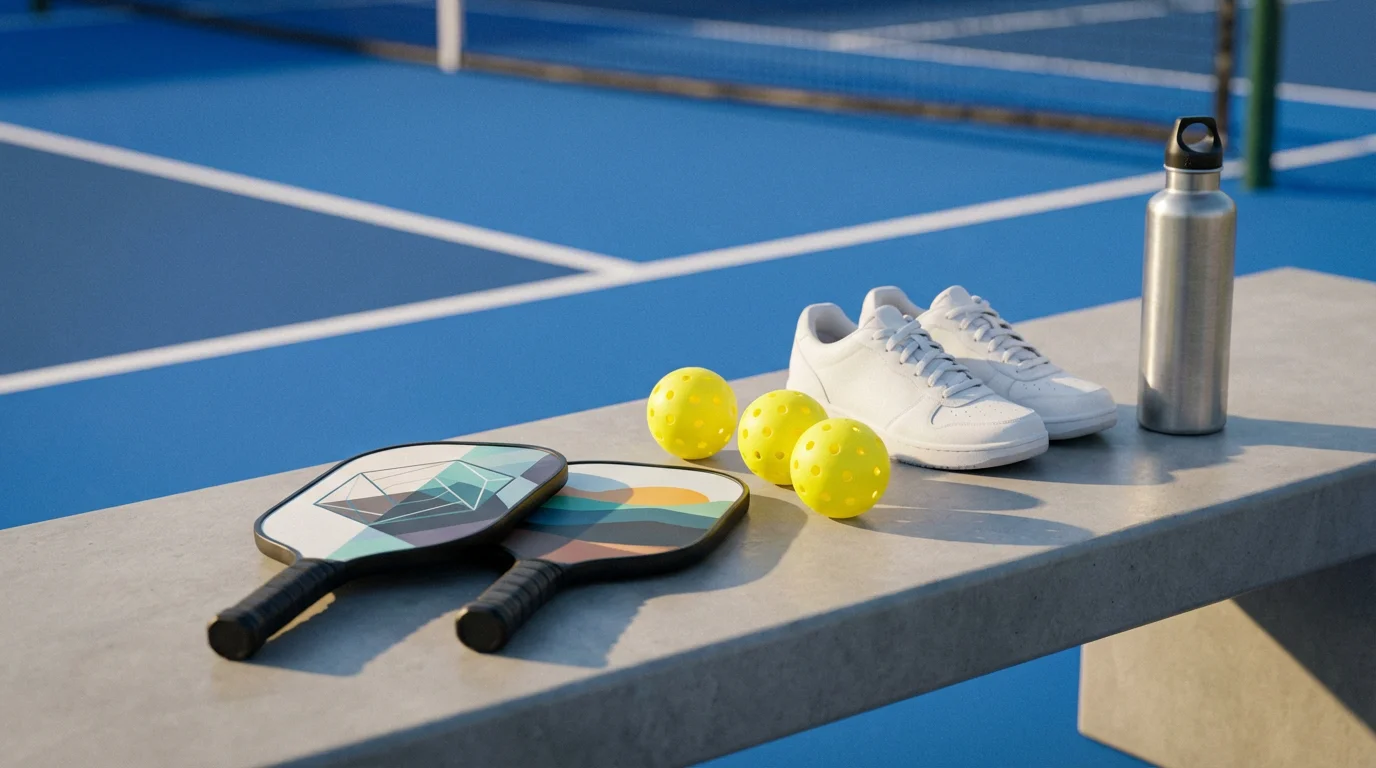
Stepping onto the pickleball court requires minimal gear, making it an accessible sport to try. You need only a few key items to begin playing confidently. Focus on comfort and functionality as you choose your equipment.
Here is what you will need:
- Pickleball Paddle: These are smaller than tennis racquets and come in various materials and weights. Beginners often benefit from a medium-weight paddle, offering a good balance of power and control. Many community centers or clubs provide loaner paddles for your first few games.
- Pickleball Balls: You use specific plastic balls with holes. Outdoor balls are slightly heavier and have smaller holes, while indoor balls are lighter with larger holes. Courts typically supply these, but having a few of your own helps for practice.
- Comfortable Athletic Shoes: Choose court shoes or cross-trainers that provide good lateral support. Running shoes, designed for forward motion, do not offer the stability needed for quick side-to-side movements in pickleball. Proper footwear significantly reduces the risk of slips or ankle twists.
- Athletic Apparel: Wear comfortable, moisture-wicking clothing that allows for a full range of motion. You will be moving, so dress for activity.
- Water Bottle: Staying hydrated is crucial. Bring plenty of water, especially during warmer weather or extended play.
Understanding the Basics: Pickleball Rules You Need to Know
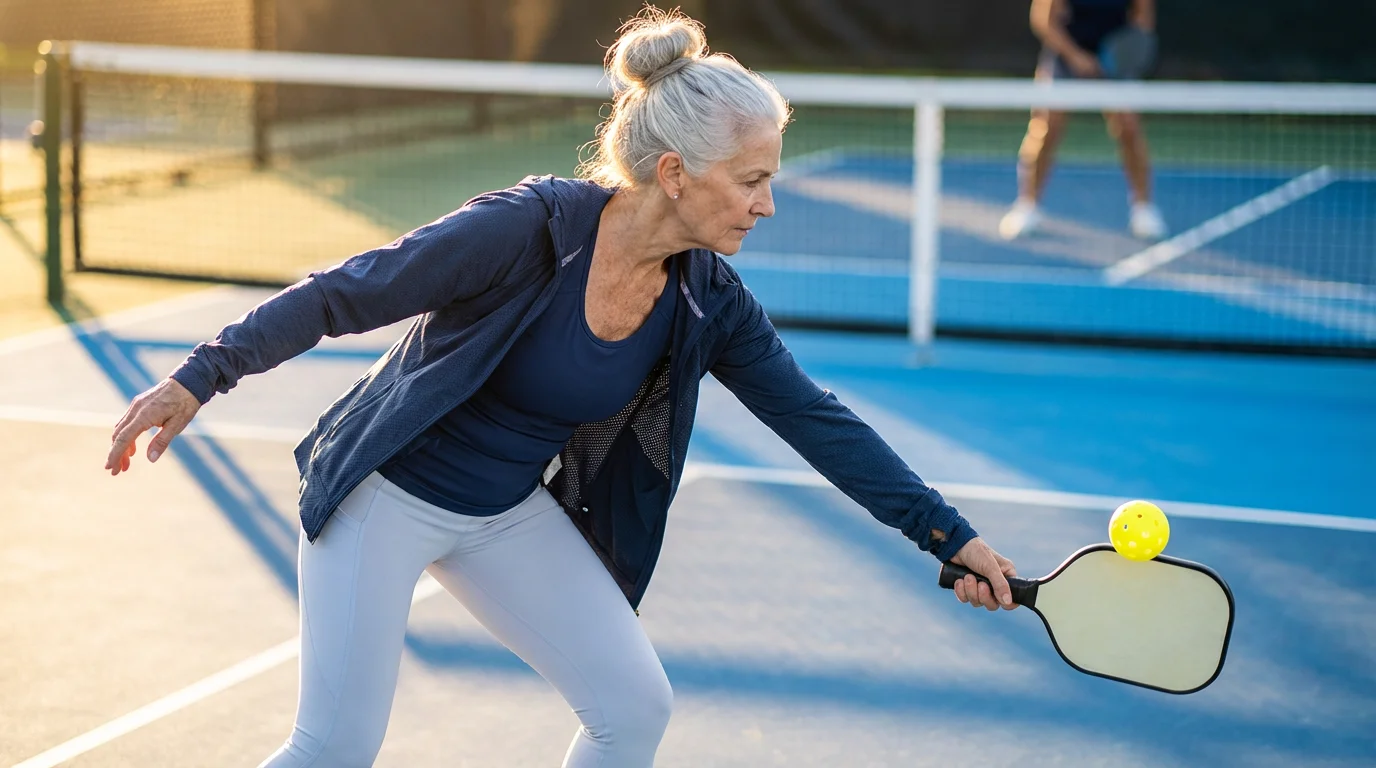
Learning how do seniors play pickleball successfully begins with understanding its straightforward rules. The game uses a badminton-sized court with a modified tennis net. Two or four players hit a perforated plastic ball over the net with solid paddles. You will grasp the fundamentals quickly, allowing you to enjoy the game almost immediately.
Key rules for beginners:
- The Serve: You serve underhand, contacting the ball below the waist, and serve diagonally crosscourt. The serve must clear the net and land within the opponent’s service court. You get only one serve attempt, unless you fault and the ball hits the net and lands in the correct service box (a “let”).
- The Double-Bounce Rule: The ball must bounce once on each side of the net after the serve before players can volley (hit the ball out of the air). This means the receiving team lets the serve bounce, returns it, and then the serving team lets that return bounce before hitting it. After these two bounces, players can hit the ball either off the bounce or volley it.
- The Non-Volley Zone (The Kitchen): A seven-foot area on each side of the net, called the “kitchen,” prohibits volleys. You cannot hit the ball out of the air while standing in the kitchen. You can enter the kitchen to hit a ball that has already bounced within it, but you must exit the kitchen before making a volley. This rule creates strategic play near the net.
- Scoring: Only the serving team scores points. You score a point when your opponent faults (fails to return the ball legally). Games typically go to 11 points, and you must win by at least two points.
- Faults: A fault occurs when the ball goes out of bounds, hits the net and does not land in the correct service court (on a serve), is hit into the net, or bounces twice before you return it.
Most communities offer beginner-friendly open play sessions where experienced players gladly explain rules and offer tips. This provides a welcoming environment to learn the game.
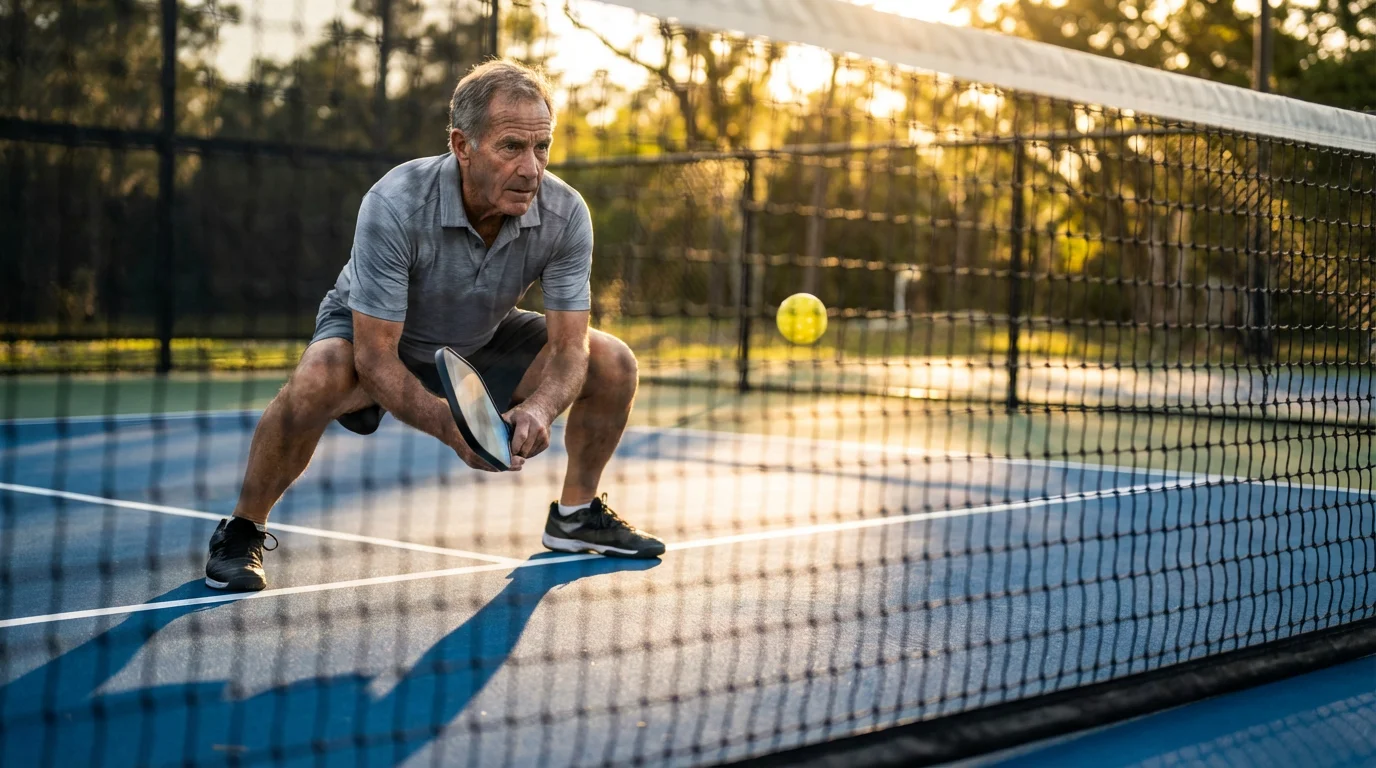
Mastering Fundamental Shots and Techniques
While pickleball is easy to pick up, developing a few fundamental shots significantly improves your game and enjoyment. Consistent practice builds muscle memory and confidence. Focus on controlled movements rather than power initially.
Practice these essential shots:
- The Serve: Aim for consistency and placement rather than overwhelming speed. A deep, accurate serve puts your opponents on the defensive from the start. Practice your underhand motion, ensuring you contact the ball below the waist.
- The Forehand Drive: This is often your most powerful groundstroke. Swing through the ball with a smooth, controlled motion, transferring your weight forward. Keep your paddle face slightly open to lift the ball over the net.
- The Backhand Drive: Many players find the backhand more challenging. You can use either a one-handed or two-handed grip. Focus on stepping into the shot and rotating your shoulders for power. Consistency here matters more than raw strength.
- The Dink: A crucial shot in pickleball, the dink is a soft, short shot that lands just over the net in your opponent’s non-volley zone. This forces opponents to hit up on the ball, creating opportunities for you to attack. It requires finesse and touch.
- Volleys: Once the double-bounce rule concludes, you can volley the ball. Practice quick reflexes and soft hands to block incoming shots or place them strategically. Remember, you cannot volley while standing in the kitchen.
Regular practice drills, even against a wall, help solidify these techniques. Consider taking a beginner’s lesson to receive personalized feedback on your form.
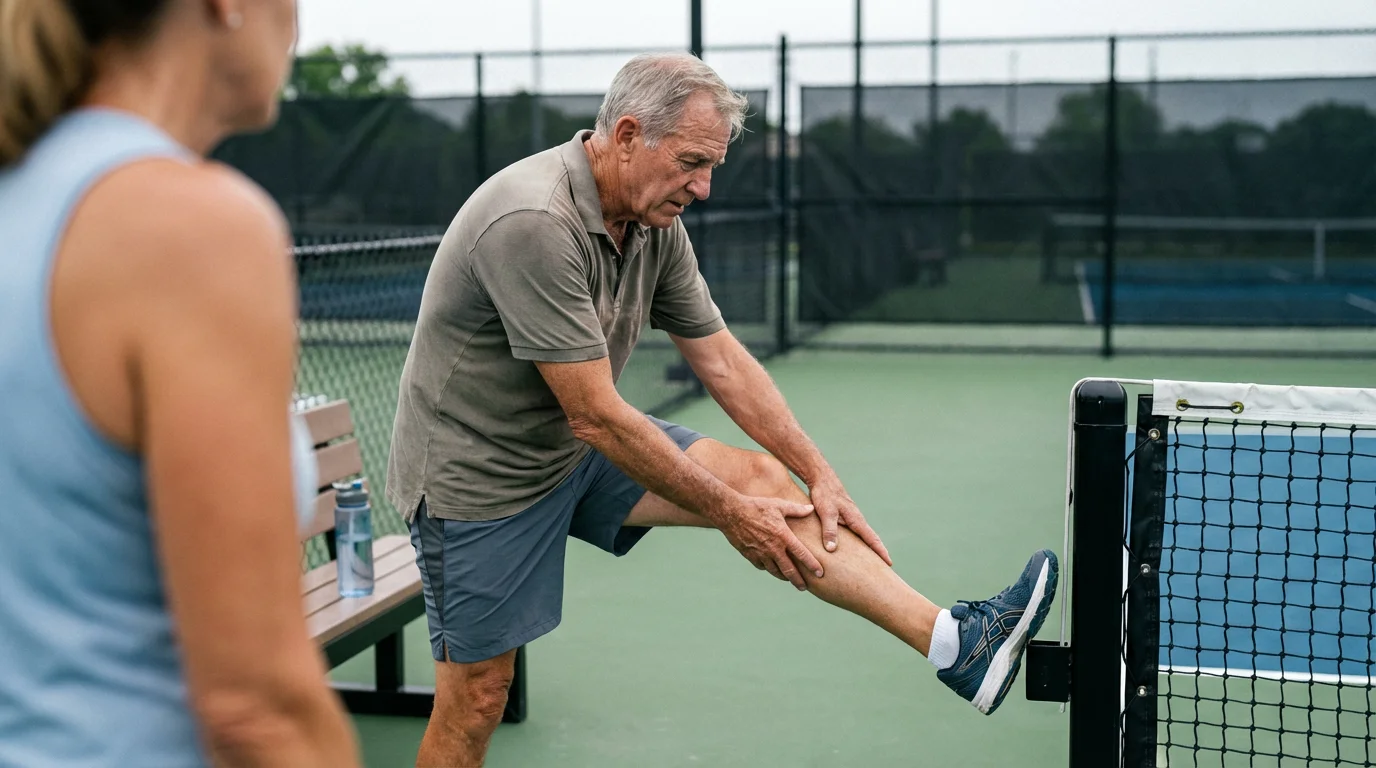
Staying Safe and Healthy on the Court
Your safety and well-being remain paramount when engaging in any physical activity, including pickleball. While pickleball offers excellent exercise benefits, proper preparation and awareness help prevent injuries. You can enjoy the game for years to come by prioritizing health.
Always consult your healthcare provider before starting any new exercise program, especially if you have chronic health conditions or concerns about physical limitations. They can offer personalized advice based on your health status.
Implement these safety practices:
- Warm-Up Thoroughly: Dedicate 5-10 minutes before playing to dynamic stretches and light cardio. This prepares your muscles, increases blood flow, and reduces injury risk. Arm circles, leg swings, and light jogging are excellent warm-up exercises.
- Stay Hydrated: Drink water before, during, and after your game. Dehydration can lead to fatigue, muscle cramps, and heat-related illnesses. Carry a water bottle and take regular sips during breaks.
- Wear Proper Footwear: As mentioned, court shoes provide the necessary support for lateral movements. Ill-fitting or inappropriate shoes significantly increase your risk of falls or ankle injuries.
- Listen to Your Body: Pay attention to any pain or discomfort. Do not push through sharp pain. Take breaks when needed and modify your play if you feel overtired or experience lingering aches. Your body communicates its limits.
- Cool-Down and Stretch: After playing, perform static stretches, holding each stretch for 20-30 seconds. This helps improve flexibility and reduce muscle soreness. Focus on hamstrings, quads, calves, and shoulders.
- Mind Your Surroundings: Be aware of other players on the court to avoid collisions. Call out “ball!” if a ball rolls onto your court from an adjacent game.
Adopting these habits ensures you continue to reap the rewards of pickleball safely and effectively.
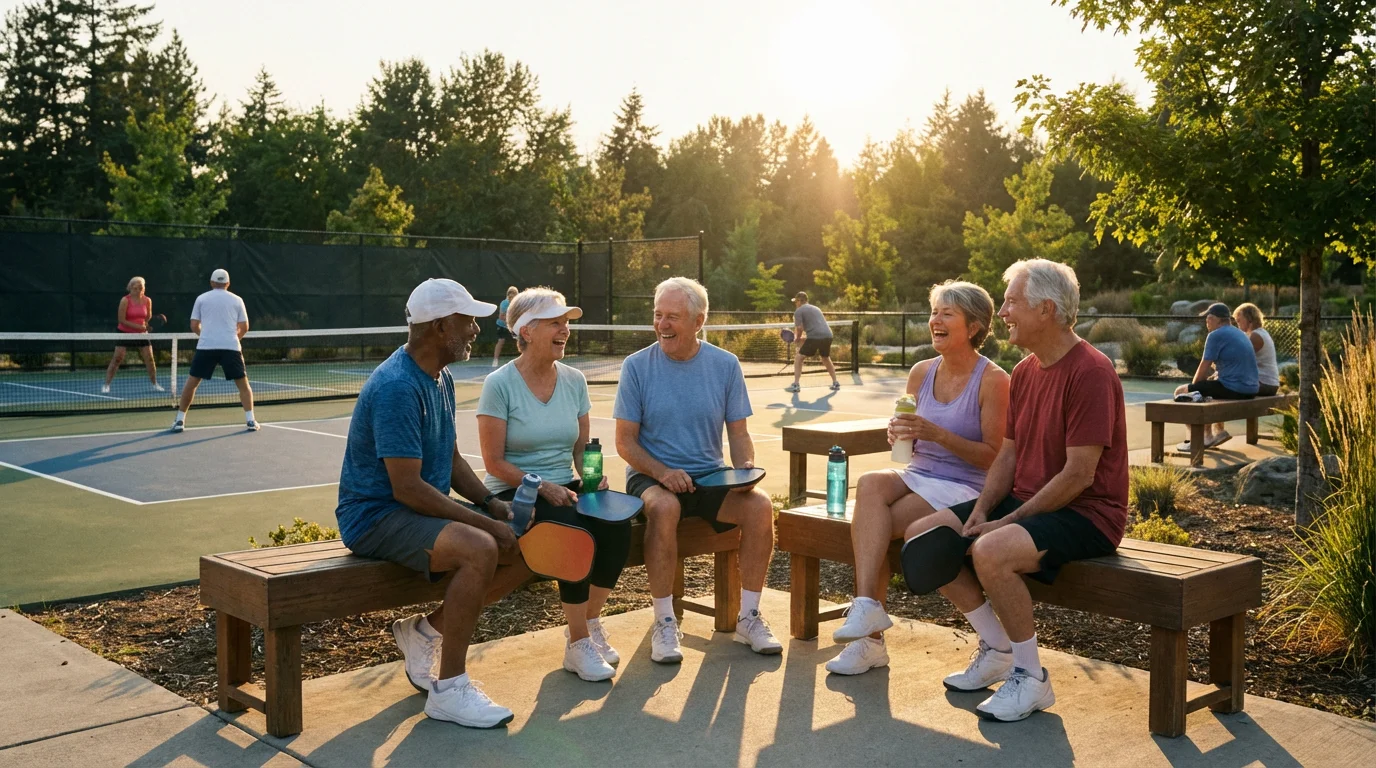
Finding Your Pickleball Community
One of pickleball’s greatest appeals lies in its strong community aspect. You will quickly discover a welcoming and supportive environment, making new friends and strengthening social bonds. This social engagement provides significant benefits for your mental and emotional well-being. Finding your pickleball community becomes an essential part of your journey.
Here is how to connect with fellow players:
- Local Community Centers and YMCA/YWCA: Many centers offer pickleball courts, organized play, and sometimes even beginner lessons. Inquire about their schedules for “open play” or “senior pickleball” sessions.
- Public Parks: Check your local parks and recreation department’s website. They often list public courts and schedules for organized play or casual games. You might find groups that gather regularly.
- Online Resources: Websites like Pickleball Den or local Facebook groups dedicated to pickleball can help you find courts, connect with players, and stay updated on events in your area.
- Senior Centers: Many senior centers now feature pickleball courts or organize outings to nearby facilities. These offer excellent opportunities to meet peers who share your interest.
- Pickleball Clubs: Some areas have dedicated pickleball clubs, which provide structured play, tournaments, and social events. These clubs often cater to various skill levels.
Do not hesitate to introduce yourself at the courts. Pickleball players are renowned for their friendliness and eagerness to help newcomers. You will find it easy to integrate into the vibrant community.
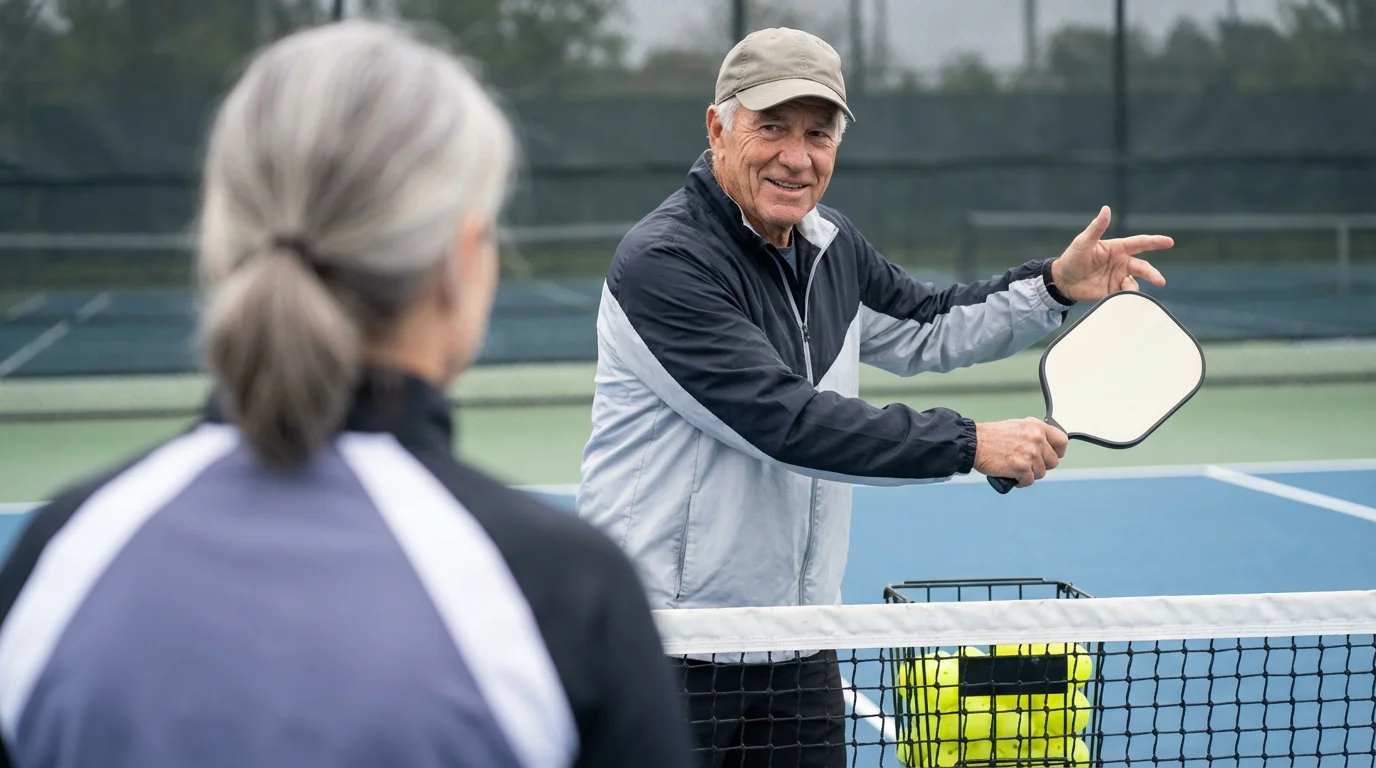
Elevating Your Game: Tips for Continuous Improvement
Once you master the basics, you might feel a desire to refine your skills and explore more advanced strategies. Continuous learning keeps the game exciting and challenging. You can always find ways to improve, no matter your current skill level.
Consider these tips to elevate your pickleball game:
- Watch Experienced Players: Observe how advanced players move, position themselves, and execute shots. You can learn valuable strategies simply by watching others.
- Play with Different Partners: Playing with various partners, including those more skilled than you, exposes you to different playing styles and pushes you to adapt.
- Focus on Placement, Not Power: While powerful shots have their place, strategic ball placement often wins points. Aim for open spaces on the court, particularly near the baseline or in the corners.
- Practice Your Third Shot Drop: After the serve and return, the “third shot drop” is crucial. This soft shot ideally lands in the opponent’s kitchen, forcing them to hit up and giving your team time to move to the net. It is a cornerstone of advanced pickleball strategy.
- Understand Court Position: Learn the importance of getting to the non-volley zone line quickly after the double-bounce rule. Controlling the net provides a significant advantage.
- Take Lessons or Clinics: A certified pickleball instructor can provide personalized feedback, correct bad habits, and teach you advanced techniques and strategies.
- Maintain a Positive Attitude: Every player makes mistakes. Stay positive, learn from each point, and enjoy the process of improvement. A good attitude enhances your experience and that of your playing partners.
Your journey in pickleball unfolds with each game, offering endless opportunities for growth and enjoyment. Embrace the learning process, and celebrate your progress.
What Are the Benefits of Pickleball Beyond the Court?
What are the benefits of pickleball beyond simply hitting a ball over a net? The impact extends far beyond the physical, enriching your life in numerous ways. You will find that this sport serves as a powerful tool for holistic wellness, benefiting your mind, body, and spirit.
The comprehensive advantages include:
- Enhanced Physical Health: Regular pickleball play improves cardiovascular health, builds muscle strength, increases flexibility, and enhances balance and coordination. This contributes significantly to overall physical fitness and reduces the risk of falls, a key concern for many older adults. The CDC recommends regular physical activity for older adults to maintain health and independence.
- Sharpened Cognitive Function: The quick reactions, strategic thinking, and hand-eye coordination required in pickleball provide a stimulating mental workout. You must anticipate shots, plan your returns, and communicate with partners, all of which keep your brain sharp and engaged. This contributes to maintaining cognitive health.
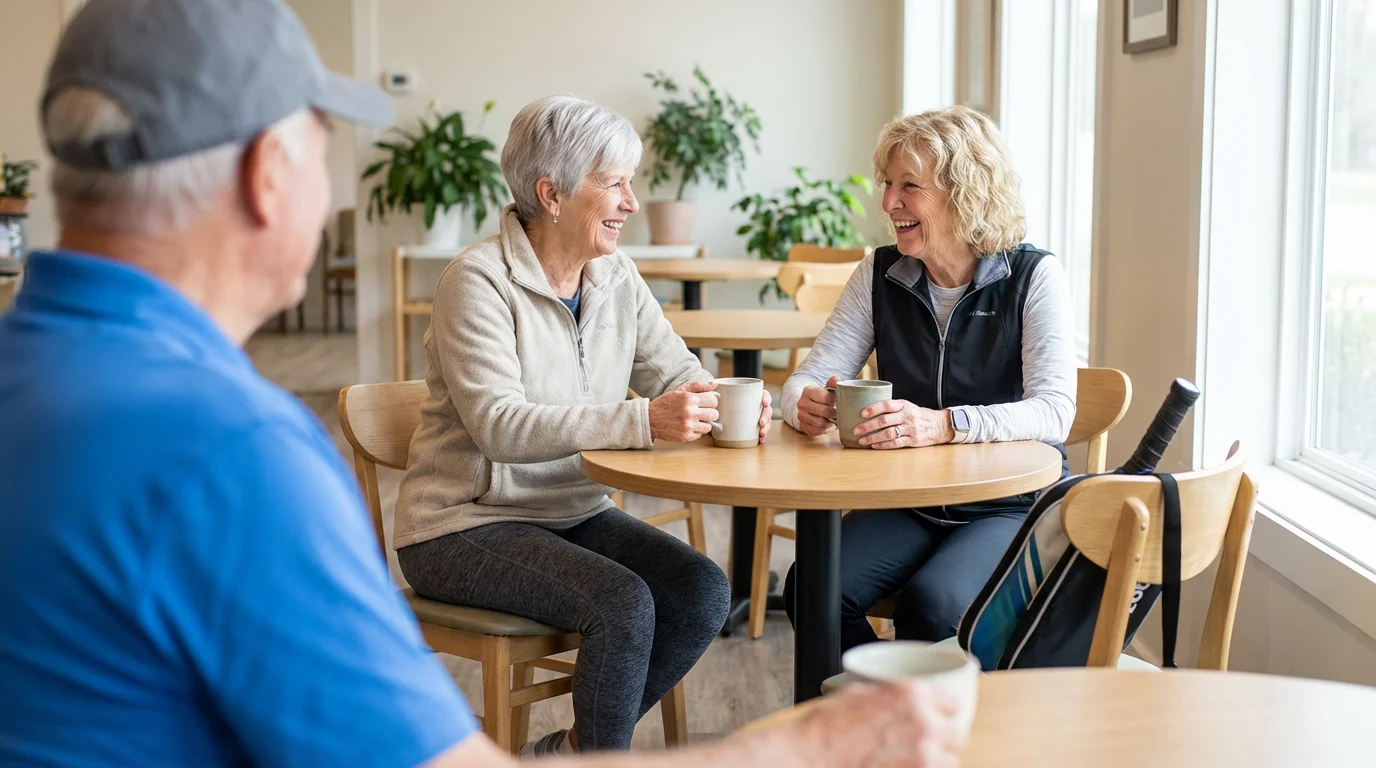
- Vibrant Social Connection: Pickleball fosters a strong sense of community. You meet new people, build friendships, and engage in regular social interaction. This combats feelings of isolation and loneliness, promoting mental well-being and a sense of belonging.
- Stress Reduction and Mood Enhancement: Physical activity, especially when combined with social interaction, is a potent stress reliever. Playing pickleball releases endorphins, boosts your mood, and provides a joyful outlet for energy, reducing symptoms of anxiety and depression.
- Improved Hand-Eye Coordination and Reflexes: The fast-paced nature of the game constantly challenges and improves your hand-eye coordination and reflexes. These skills translate positively into daily activities, enhancing overall dexterity.
- Accessible for All Skill Levels: Its adaptability means players of varying fitness levels and abilities can enjoy the game. Many clubs offer different skill levels of play, ensuring you find suitable partners and opponents.
Embracing pickleball offers a pathway to a more active, engaged, and fulfilling retirement. It is an investment in your well-being that pays dividends daily.
Frequently Asked Questions
Is pickleball suitable for seniors with limited mobility?
Pickleball is highly adaptable. Many seniors with limited mobility enjoy playing, often opting for doubles play, which covers less court. You can also modify your game by moving less aggressively or focusing on strategic placement. Always consult your doctor before starting any new activity to ensure it aligns with your physical capabilities.
What should I do if I have never played a racket sport before?
Do not worry if you are new to racket sports. Pickleball’s rules are simple, and its equipment is easy to handle. Many communities offer beginner lessons or “learn to play” clinics specifically designed for newcomers. The underhand serve and smaller court make it much less intimidating than tennis for first-timers. Most players are very welcoming and patient with beginners.
How often should seniors play pickleball to see benefits?
Consistency is key for enjoying the exercise benefits. Aim for at least 2-3 sessions per week, even if each session is only an hour long. Regular play helps improve cardiovascular health, strength, and coordination. Listen to your body and allow for rest days as needed, especially when you first start playing.
Can pickleball help with weight management?
Yes, pickleball is an excellent way to incorporate physical activity into your routine, which supports weight management. A typical hour of pickleball can burn hundreds of calories, depending on the intensity of play. Combined with a balanced diet, regular pickleball sessions contribute positively to maintaining a healthy weight and improving overall body composition.
Where can I find pickleball courts near me?
You can often find pickleball courts at local community centers, YMCA/YWCA facilities, public parks, and dedicated pickleball clubs. Websites like Pickleball Den offer court locators. Your local parks and recreation department is also a great resource for finding nearby courts and organized play opportunities.
Embracing pickleball offers a fantastic way to stay active, engaged, and healthy throughout your retirement years. Its combination of physical exercise, mental stimulation, and vibrant social interaction makes it a perfect choice for seniors seeking a fulfilling pastime. Do not hesitate to pick up a paddle and discover the joy of this fast-growing sport. You might just find your new passion and a wonderful community awaiting you on the court.
Disclaimer: This article is for informational purposes only and does not constitute medical advice. Before starting any new exercise program or making significant changes to your activity level, please consult with your healthcare provider, especially if you have chronic health conditions or concerns about physical limitations.
Leave a Reply