

Downsizing your home marks a significant life transition. It means more than simply moving to a smaller space. It represents an opportunity to streamline your life, embrace new freedoms, and create a home perfectly tailored to your current needs and desires. While exciting, this journey can also feel daunting, especially when faced with years of accumulated possessions. Many people find themselves overwhelmed by the sheer volume of items and the emotions tied to each one.
You may feel a mix of emotions, from anticipation for a simpler lifestyle to sadness about letting go of cherished memories. This is completely normal. Our goal is to provide practical, actionable organizing tips and empathetic guidance, helping you navigate both the logistical and emotional aspects of creating a calm, well-ordered home that feels just right for you.

Understanding the Journey: More Than Just Stuff
Downsizing is not merely about clearing out your closets. It involves making deliberate choices about what you want to bring into your next chapter. For many, possessions represent memories, milestones, and even parts of their identity. Acknowledging this emotional weight is the first crucial step in approaching the process with self-compassion.
Taking a gradual approach to downsizing can help you manage the workload without feeling rushed.
Recognize that this transition is a significant life event. Allow yourself to feel the emotions that arise. Rushing the process or dismissing your feelings can lead to stress and regret. Instead, approach decluttering with patience and a clear understanding of your ultimate goal: a more peaceful, functional living space that supports your lifestyle.

The Mindset Shift: From Downsizing to Right-Sizing
The term “downsizing” can sometimes carry negative connotations, implying a loss. We encourage you to reframe this perspective to “right-sizing.” Right-sizing focuses on finding the perfect fit for your current life, optimizing your living space to enhance comfort, ease, and enjoyment. You are not giving things up, you are creating space for what truly matters.
Consider your vision for your new home. What activities do you want to pursue? What kind of atmosphere do you want to cultivate? Holding this vision in mind provides strong motivation and helps you make purposeful decisions about what to keep. Your new home should reflect who you are now and who you want to be.
Clutter is postponed decisions. Taking action, even small steps, begins the process of reclaiming your space and your peace of mind.

Your Step-by-Step Decluttering Action Plan
Approaching your home room by room or category by category prevents overwhelm. Break down the large task into smaller, manageable projects. This strategy helps you maintain momentum and see tangible progress.
Avoid common pitfalls by learning about mistakes to avoid when downsizing during your retirement transition.
Follow these practical steps to effectively declutter your home:
-
Start Small: Begin with an easy area, such as a single drawer, a small cabinet, or one shelf in a closet. Achieving a quick win boosts your confidence and motivates you to tackle larger tasks.
-
Use the Four-Box Method: Label four boxes or areas: Keep, Donate/Sell, Discard, and Relocate. As you sort through items, place each one into the appropriate category.
- Keep: Items you use regularly, truly love, or need for your new home. Ensure they fit your new space’s scale.
- Donate/Sell: Items in good condition that you no longer need or want. Consider selling higher-value items.
- Discard: Broken, damaged, or unusable items that cannot be donated or repaired.
- Relocate: Items that belong in another room or part of the house. Address these immediately to avoid creating new piles.
-
Set Clear Criteria for Keeping: Apply decision-making frameworks to guide your choices. Ask yourself:
- Have I used this item in the past year?
- Does it fit my current lifestyle and future needs?
- Do I have space for it in my new, smaller home?
- Does it truly bring me joy or serve a practical purpose?
- Do I have duplicates of this item?
If the answer to most of these questions is “no,” seriously consider letting the item go.
-
Handle Each Item Once: Avoid putting an item down without making a decision. Pick it up, decide its fate, and place it in the correct box or area. This prevents re-handling and decision fatigue.
-
Process “Out” Boxes Regularly: Do not let donation or discard boxes accumulate. Schedule regular trips to charity organizations like Goodwill or Habitat for Humanity ReStore. For items you plan to sell, set a clear deadline for listing or taking them to a consignment shop. Promptly removing items creates immediate visual and mental relief.

Navigating Sentimental Items and Heirlooms
This category presents the biggest emotional challenge during downsizing. You cannot keep every item associated with a memory. The key is to honor the memory, not necessarily the object itself. You carry memories in your heart, not just in your possessions.
Employ these strategies for sentimental items:
- Create a “Memory Box”: Select a small, designated box for your most treasured keepsakes. Limit yourself to what fits inside. This forces you to choose the absolute essentials.
- Take Photos: For items you cannot keep but want to remember, take clear photographs. Create a digital album or a physical photo book to preserve the visual memory without retaining the physical object. This works especially well for children’s artwork, old furniture pieces, or extensive collections.
- Pass Them On: Offer family heirlooms to relatives who genuinely want them and will use them. Knowing an item continues to be loved by family can provide immense comfort. Be prepared that others might also be downsizing or may not want specific items, and respect their decisions.
- Reimagine and Reuse: Can you repurpose a piece? Turn an old blanket into decorative pillows, or frame a small piece of fabric from a beloved garment.
- Focus on Purpose, Not Just Sentiment: If an item is sentimental but also functional, such as a dining table used for family gatherings, consider if it truly fits your new space. Sometimes, holding onto an oversized item can impede the functionality of your smaller home.
Optimizing Your Smaller Space: Smart Storage Solutions
Once you have right-sized your possessions, the next step involves organizing them efficiently within your new home. Effective storage maximizes every inch, making your downsized living comfortable and clutter-free. You want your small home to feel spacious and inviting, not cramped.
Focusing on downsizing for accessibility can ensure your new environment is safe and comfortable for the years ahead.
Consider these organizing tips and smart storage solutions for seniors:
- Vertical Storage is Your Friend: Look up! Walls offer valuable storage space. Install shelving units, wall-mounted cabinets, or pegboards. Use vertical drawer dividers to stack items efficiently in dressers and kitchen cabinets.
- Multi-Functional Furniture: Invest in pieces that serve more than one purpose. An ottoman with hidden storage, a bed frame with built-in drawers, or a console table that expands into a dining table are excellent choices for efficient living.
- Clear Containers and Bins: Use clear, stackable containers for pantry items, linens, and craft supplies. This allows you to see what you have at a glance, preventing forgotten items and duplicate purchases. Labeling is also key, even for clear bins.
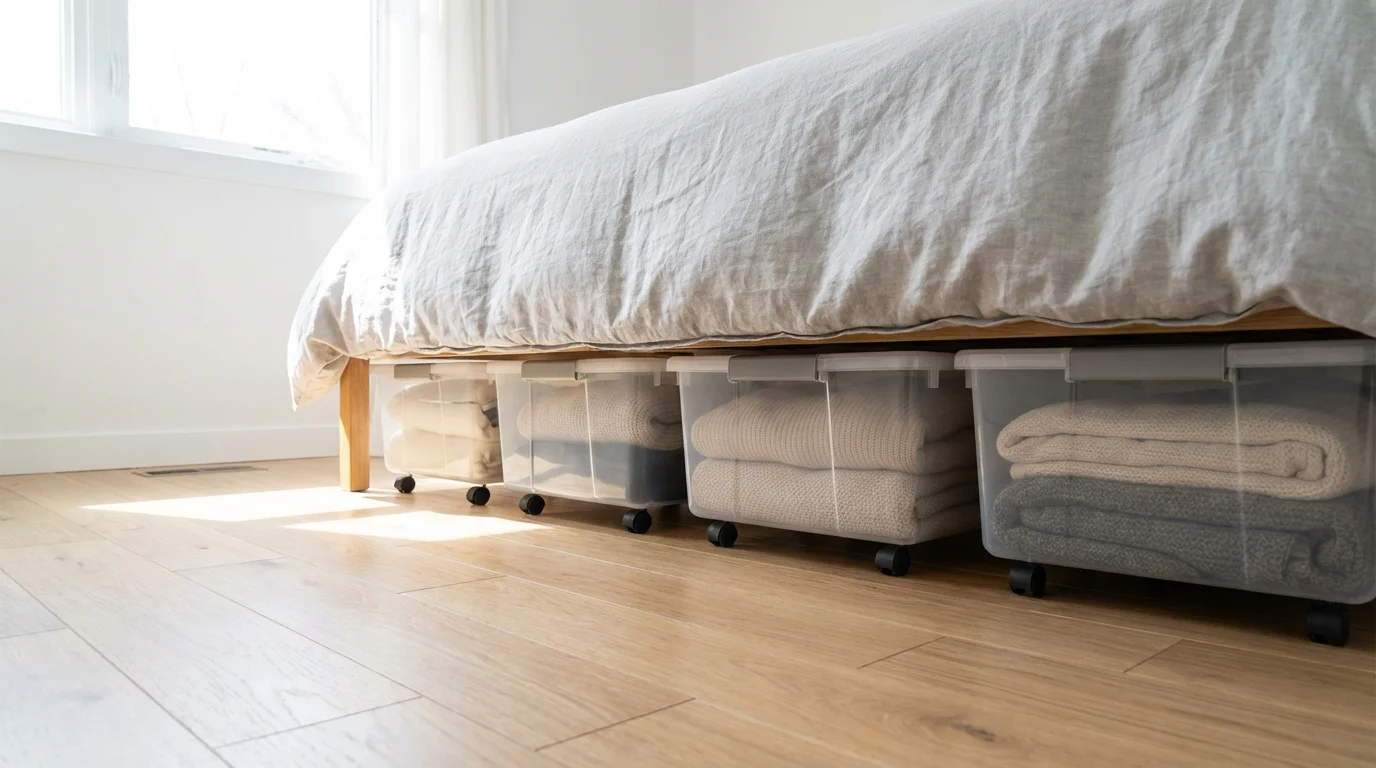
- Under-Bed Storage: Capitalize on the often-overlooked space beneath your bed. Flat storage bins on wheels are perfect for seasonal clothing, extra bedding, or rarely used items.
- Drawer Organizers: Keep drawers tidy and functional with inserts and dividers. These prevent items from shifting and becoming a jumbled mess, making it easier to find what you need quickly. This applies to kitchen utensils, office supplies, and clothing.
- Door Back Storage: The back of doors, whether pantry, closet, or bathroom, offers prime real estate. Over-the-door organizers with pockets or hooks can hold cleaning supplies, shoes, toiletries, or small accessories.
- Digitalize Documents: Reduce paper clutter by scanning important documents and storing them digitally. Ensure you have a reliable backup system for these files. Keep only essential original documents in a secure, fireproof box.
- Create Zones: Even in a small home, designate specific zones for activities like reading, hobbies, or dining. This helps create a sense of order and purpose for each area, preventing items from migrating and creating clutter.
Professional Help: When to Bring in the Experts
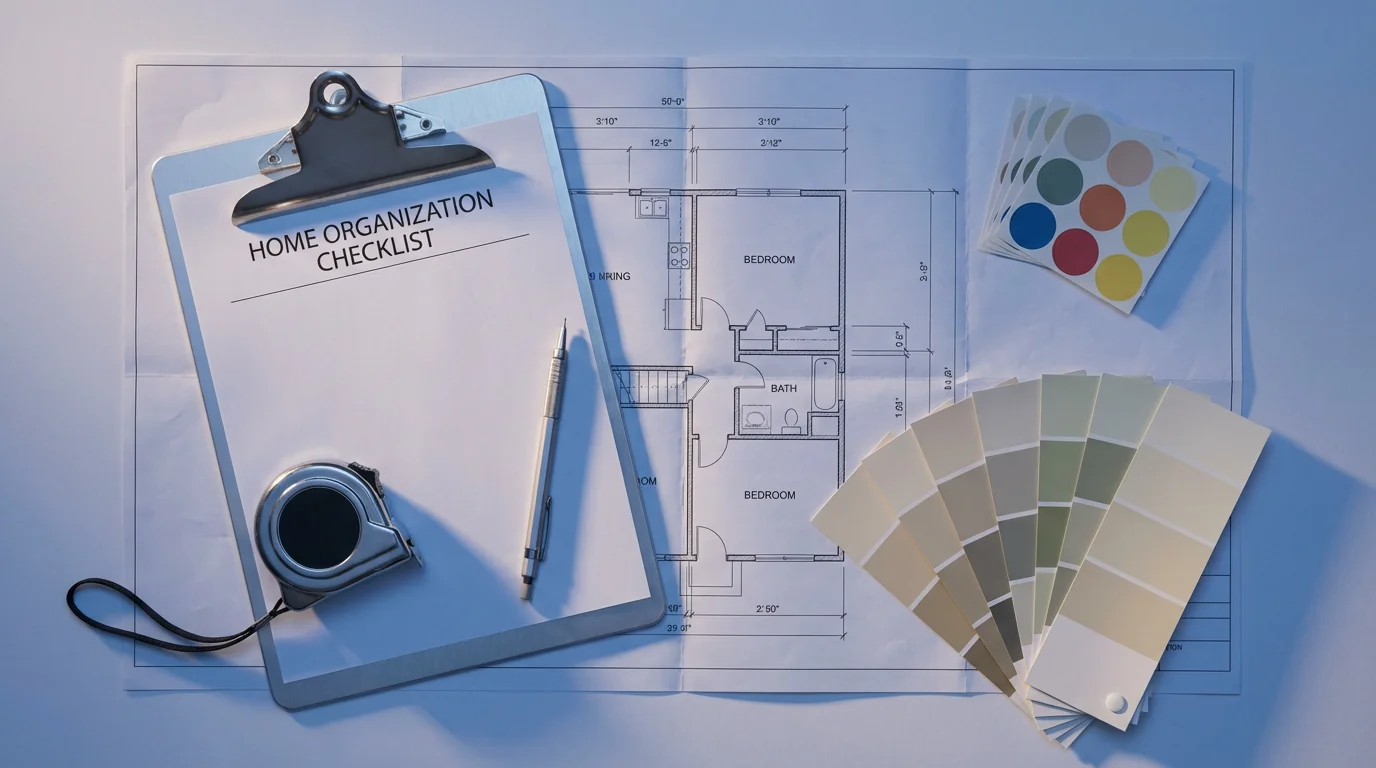
You do not have to navigate this process alone. Many professionals specialize in assisting with downsizing and organizing. Utilizing their expertise can significantly reduce stress and streamline the transition.
Consider engaging these professionals:
- Senior Move Managers: These specialists provide a comprehensive service, managing every aspect of a move for older adults. They can help with space planning in your new home, sorting and organizing possessions, arranging for movers, and overseeing the entire relocation. The National Association of Senior Move Managers (NASMM) offers resources to find certified professionals in your area.
- Professional Organizers: If you need assistance with decluttering and organizing but not necessarily the entire move, a professional organizer can provide hands-on support. They offer strategies, accountability, and practical assistance in tackling specific areas or categories of items. You can find accredited professionals through organizations like the National Association of Productivity & Organizing Professionals (NAPO).
- Estate Sale Companies: For homes with many items to sell, an estate sale company can manage the entire sale process, from staging and pricing to advertising and conducting the sale. They often have established networks to maximize your returns. Websites like Estate Sales Net can help you locate reputable services.
- Appraisers: If you suspect you own items of significant monetary value, consult with a certified appraiser before selling or donating. Their expertise ensures you understand the true worth of your possessions.

Digital Decluttering: Organizing Your Virtual Life
In our increasingly digital world, clutter does not just exist in physical form. Digital clutter can also create stress and disorganization. Take time to streamline your digital life as part of your overall right-sizing effort.
Here’s how to declutter your digital footprint:
-
Photos and Videos: Consolidate all your digital photos and videos into one central location, such as an external hard drive or a cloud storage service. Delete duplicates, blurry images, and unwanted files. Organize remaining photos into clearly labeled folders by date, event, or subject. This makes finding specific memories much easier.
-
Documents and Files: Review your computer and cloud storage for old documents, downloads, and unnecessary files. Create a logical folder structure for important documents, using consistent naming conventions. Delete anything you no longer need. Consider digitizing physical documents to reduce paper clutter, but always keep backups.
-
Email Inbox: Unsubscribe from unwanted newsletters and promotional emails. Delete old, unneeded emails and categorize important ones into folders. Aim for an organized inbox where new emails are easily visible and actionable.
-
Computer Desktop: Keep your computer desktop clear of excessive icons. Use folders to group related shortcuts or files. A clean desktop can improve computer performance and reduce visual distraction.
-
Social Media and Accounts: Review your social media profiles and online accounts. Delete or deactivate any accounts you no longer use. Update privacy settings and ensure your online presence reflects your current preferences.

Helping Loved Ones Downsize: A Guide for Adult Children
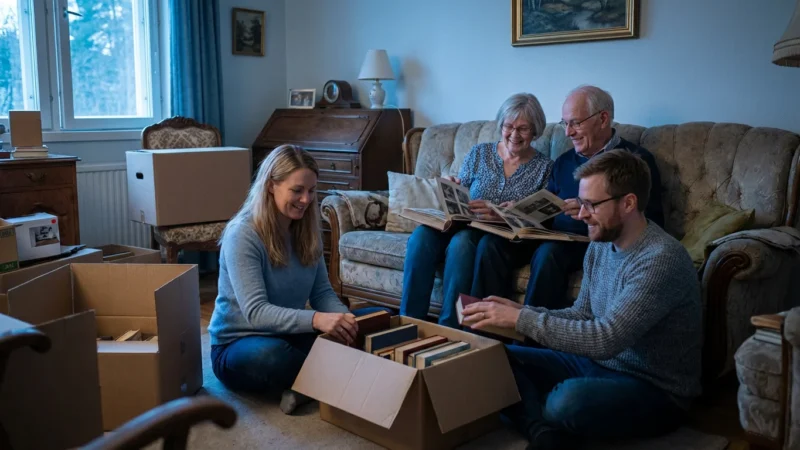
If you are an adult child assisting aging parents with downsizing, your role is crucial. Approach the situation with immense patience, empathy, and respect. Remember, this is their home and their possessions, filled with a lifetime of memories.
Consider these pointers when helping your parents downsize:
- Start Conversations Early: Begin discussions about downsizing well before it becomes an urgent necessity. This allows your parents time to process the idea and participate actively in decisions.
- Respect Their Pace: Understand that letting go is a deeply personal and often slow process. Do not rush them or force decisions. Work at their comfort level, even if it feels slow to you.
- Listen Actively: Pay attention to their stories and memories attached to items. This validates their feelings and helps you understand the significance of certain possessions.
- Offer Practical Support, Not Control: Provide hands-on help with sorting, lifting, and organizing. Offer to research movers, donation centers, or estate sale services. Avoid taking over or making unilateral decisions about their belongings.
- Focus on Their Vision: Help them articulate what they want their new life and home to look like. Frame the downsizing process as moving towards a desired future, not just leaving the past behind.
- Be Prepared for Emotional Moments: There will be tears and difficult decisions. Be present, offer comfort, and reassure them that their feelings are valid. Take breaks when emotions run high.
- Utilize Professional Help: If you find yourselves overwhelmed or encountering significant resistance, suggest bringing in a senior move manager or professional organizer. A neutral third party can often facilitate decisions more effectively.
Frequently Asked Questions
How long does the downsizing and organizing process typically take?
The timeline for downsizing varies greatly based on the size of your current home, the amount of possessions you own, and your personal pace. Many individuals find that a comprehensive decluttering and organizing effort can take anywhere from a few weeks to several months. Approaching it room by room or category by category can make the process more manageable and less overwhelming.
What should I do with valuable items I no longer want to keep?
For valuable items, consider professional appraisal. You can then choose to sell them through an auction house, a consignment shop, or an estate sale service. Estate sales, often managed by professionals, can efficiently liquidate a large volume of household contents, including furniture, collectibles, and everyday items. Always research and choose reputable services.
How can I involve my family in the downsizing process without causing conflict?
Open and honest communication is key. Start by explaining your reasons for downsizing and the benefits you anticipate. Invite family members to help sort through items, offering them sentimental pieces they might cherish. Establish clear boundaries and respect individual choices regarding what they take. If tensions arise, take a break and revisit the discussion later with a calm perspective. Professional senior move managers can also act as neutral facilitators.
Are there tax benefits for donating items during downsizing?
Yes, charitable contributions of non-cash items can often be tax-deductible. Keep detailed records of your donations, including a list of items and their estimated fair market value. Obtain receipts from the charitable organizations, such as Goodwill or Habitat for Humanity ReStore, which you can use when filing your taxes. Consult with a tax professional or review IRS guidelines for specific rules and limitations regarding charitable contribution deductions.
Disclaimer: This article is for informational purposes only. Downsizing decisions are deeply personal and should be made at your own pace. If you’re struggling with the emotional aspects of letting go, consider speaking with a counselor or therapist who specializes in life transitions. For valuable items, consult with appraisers or estate professionals.








Leave a Reply