

The journey of moving after downsizing represents more than just a change of address. It is a significant life transition, offering an opportunity to simplify, renew, and create a future aligned with your desires. Many people feel overwhelmed by the sheer volume of possessions accumulated over decades. This guide provides practical strategies and empathetic support to navigate the emotional and logistical aspects of your retirement relocation, ensuring a stress-free move.
You can achieve a lighter, more manageable lifestyle in your new right-sized home. We will walk you through decluttering, making tough decisions about sentimental items, finding professional help, and executing a smooth move.
Embracing the Right-Sizing Mindset for a Happier Future
You are not simply “downsizing,” you are “right-sizing.” This shift in perspective reframes the process from one of loss to one of gain. You gain freedom, simplicity, and a home perfectly suited to your current lifestyle and future aspirations. Embrace the idea of optimizing your living space to better support your retirement years.
Many individuals find that shedding excess possessions reduces stress and increases personal time. Less to clean, less to organize, and fewer items demanding your attention allows you to focus on experiences and relationships. This mindful approach to your belongings helps you create a more intentional and joyful living environment.
Consider the benefits that await you. Imagine a home where every item serves a purpose or brings you joy. Visualize less clutter, easier maintenance, and more financial flexibility. This positive outlook provides motivation throughout the entire process.

Initial Steps: Decluttering and Sorting Your Possessions
Starting the decluttering process can feel monumental, especially when faced with decades of accumulation. Break down the task into manageable segments. Tackle one room, one closet, or even one drawer at a time to avoid feeling overwhelmed.
Develop a clear system for categorizing items as you go. Many people find success using four distinct categories. Label boxes or areas clearly for efficient sorting.
- Keep: Items you genuinely need, use regularly, or deeply cherish and have space for in your new home.
- Donate: Gently used items that can benefit others. Organizations like Goodwill accept a wide range of goods.
- Sell: Items of value that you no longer need. This can include furniture, antiques, or collectibles.
- Discard: Broken, expired, or unusable items that belong in the trash or recycling.
To make decisions, ask yourself practical questions about each item. These questions help you assess its true value and necessity in your future home. Employing a consistent decision-making framework streamlines the process.
- Have I used this in the past year? If not, consider if it truly serves a purpose.
- Does this item fit my new lifestyle or smaller space? Will you have room for it, and does it align with your future activities?
- Does it spark joy or serve a vital function? Use this framework, popularized by Marie Kondo, to connect with your belongings on an emotional level.
- Do I already own something similar? Consolidate duplicates to reduce clutter.
- Is this item easily replaceable if I truly need it later? Some things are not worth storing if they are inexpensive to replace.
Begin with less emotionally charged areas first, such as the laundry room or a guest bathroom. This allows you to build momentum and practice your decision-making skills before moving to more personal spaces. For larger items, take photos for remembrance before letting them go.
Schedule dedicated decluttering sessions. Commit to an hour or two each day, or a full morning once a week. Consistency prevents burnout and ensures steady progress. Enlist a trusted friend or family member for support, offering an objective perspective when decisions become difficult.

Navigating Sentimental Items and Family Heirlooms
The greatest emotional hurdle in downsizing often involves sentimental items. These possessions hold memories, represent significant life events, and connect us to loved ones. Dismissing their importance is unhelpful; instead, acknowledge their value while finding new ways to honor their significance.
Understand that letting go of an item does not mean letting go of the memory. The memories reside within you, not solely in the object itself. You can preserve the essence of these items without keeping every physical manifestation. This perspective frees you from the burden of excessive possessions.
Here are several strategies for dealing with sentimental items:
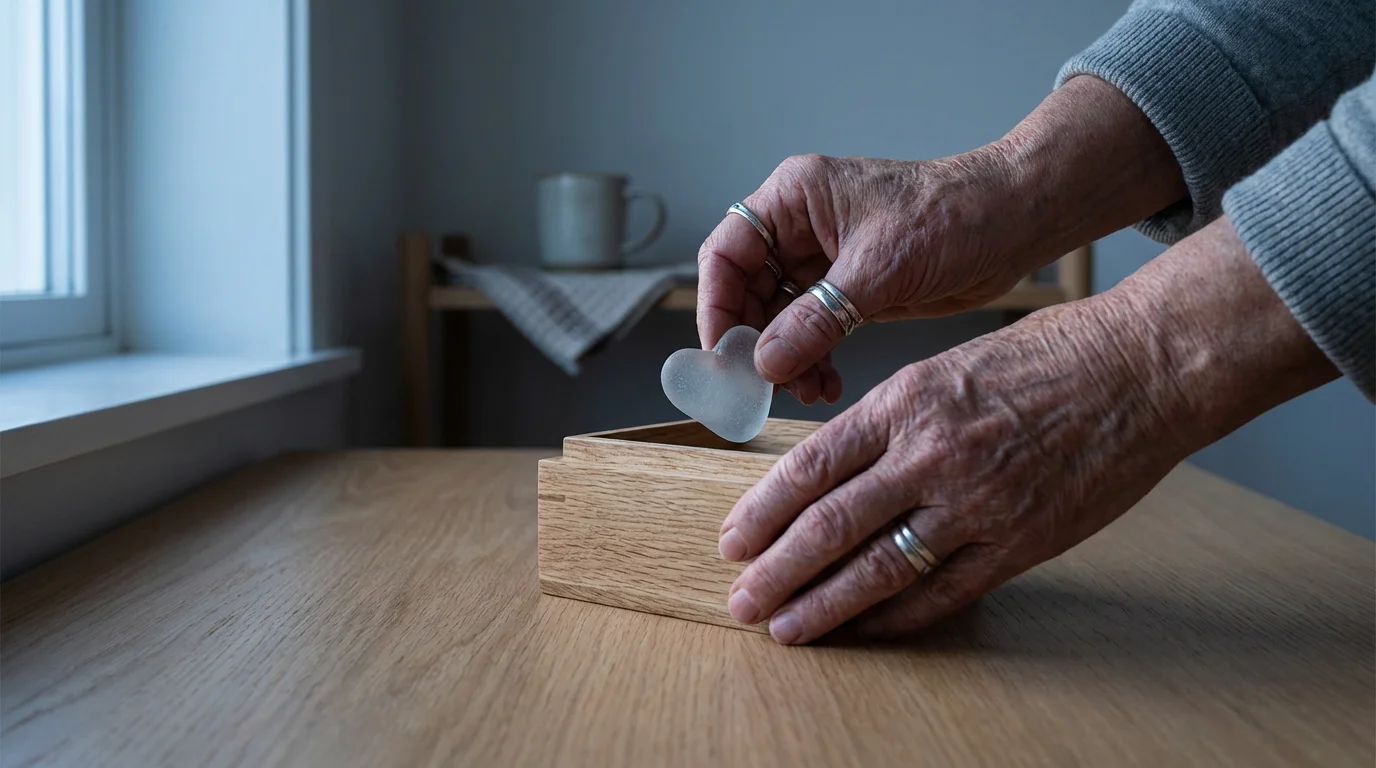
- Create a “Memory Box”: Select a small, manageable box to fill with only your most cherished mementos. This might include a few photographs, letters, a small piece of jewelry, or a significant token.
- Digitize Photos and Documents: Scan old photographs, letters, and important documents. Digital files take up no physical space and allow for easy sharing with family members. Cloud storage solutions provide secure backups.
- Pass Down Heirlooms Thoughtfully: Identify family members who genuinely desire and will use specific heirlooms. Discuss these items openly to ensure they go to appreciative homes. Avoid forcing items on unwilling recipients.
- Repurpose or Photograph: Consider repurposing items into something new, like creating a quilt from old t-shirts. For larger items you cannot keep, take high-quality photographs to create a digital memory album.
- Tell the Story: Write down the stories associated with particular items. This preserves the narrative and meaning without keeping the physical object. You can share these stories with family members.
“The things you own end up owning you.” This wisdom reminds us that excessive possessions can create a burden, rather than bringing freedom.
Give yourself permission to feel the emotions that arise. It is natural to feel sad, nostalgic, or even guilty when parting with items. Allow yourself time to process these feelings, but do not let them paralyze your progress. Remember your ultimate goal: a simpler, more joyful future.

Leveraging Professional Support for a Smoother Transition
You do not have to undertake this complex process alone. Numerous professionals specialize in assisting seniors with downsizing and moving. These experts offer invaluable guidance, support, and practical assistance, significantly reducing your stress.
Senior Move Managers: These professionals specialize in helping older adults transition to new residences. A NASMM-certified senior move manager can coordinate all aspects of your move, from space planning in your new home and sorting possessions to packing, arranging movers, and even setting up your new living space. They act as your project manager and emotional support system during a challenging time.
Professional Organizers: A professional organizer helps you declutter and establish functional systems for your belongings. They work alongside you, providing objective guidance and accountability. Organizations like the National Association of Productivity & Organizing Professionals offer directories to find certified experts in your area.
Estate Sale Companies: If you have numerous valuable items or a large volume of goods to sell, an estate sale company can manage the entire process. They appraise items, market the sale, conduct it, and often handle cleanup afterwards. EstateSales.net provides listings and resources for finding reputable companies.
Appraisers: For unique or high-value items like art, antiques, or jewelry, a professional appraiser provides an accurate valuation. This ensures you sell items for their fair market price or properly insure them if you keep them.
When selecting professional help, conduct interviews, check references, and ensure clear contracts are in place. These professionals ease the burden of logistical planning and decision-making, allowing you to focus on the emotional aspects of your transition.

Preparing Your Home for Sale and Finding Your New Space
Once you have significantly decluttered, focus on preparing your current home for the market. A well-prepared home attracts more buyers and often sells faster and for a better price. Think about how your home appears to potential buyers, aiming for a neutral and welcoming atmosphere.
Key steps for preparing your home for sale:
- Deep Clean: A sparkling clean home makes a strong first impression. Hire professional cleaners if needed.
- Minor Repairs: Address small issues like leaky faucets, sticky doors, or chipped paint. These inexpensive fixes yield significant returns.
- Neutralize and Depersonalize: Remove personal photos, unique decor, and excessive religious or political items. Buyers need to envision themselves living in the space.
- Enhance Curb Appeal: Tidy up the yard, trim bushes, and add fresh flowers. A welcoming exterior draws buyers inside.
- Stage Your Home (Optional): Professional home stagers can arrange furniture and decor to highlight your home’s best features, often using your existing, decluttered items.
Simultaneously, begin exploring options for your new right-sized living space. Consider your priorities, lifestyle, and future needs. What kind of community do you envision? What amenities are important to you? Researching these aspects early helps define your ideal new home.
Factors to consider when choosing your new home:
- Location: Proximity to family, friends, medical facilities, shopping, and activities.
- Size and Layout: Ensure the new space accommodates your essential belongings and offers a functional flow. Consider single-story living or elevator access for future ease.
- Amenities: Look for features like community centers, fitness facilities, or maintenance services if they enhance your lifestyle.
- Accessibility: Consider features such as wider doorways, grab bars, or roll-in showers for long-term comfort and safety.
- Financials: Understand property taxes, HOA fees, and overall cost of living.
Visiting prospective homes and communities helps you visualize your future. Imagine your daily routines and how the new space will support them. This proactive approach ensures your new home genuinely meets your needs and desires.
Strategic Packing and Moving for Your Retirement Relocation
After the decluttering and home sale phases, the actual move becomes the next major project. Strategic planning makes the process efficient and stress-free. Avoid last-minute rushes by starting early and organizing meticulously.
Essential moving tips for a stress-free move:
- Start Packing Early: Begin with non-essential items months before your move date. Pack seasonal decorations, books you have read, or rarely used kitchen gadgets first.
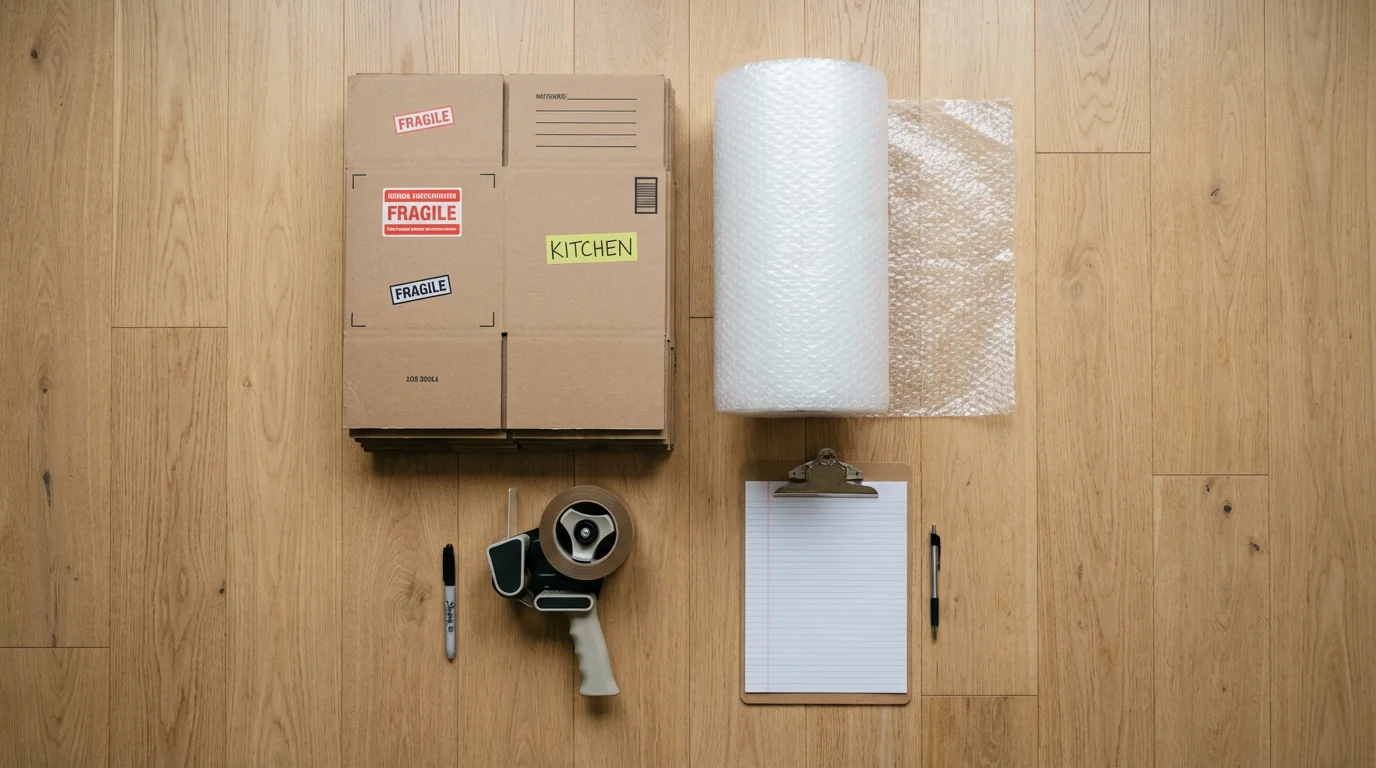
- Create an Inventory: Keep a detailed list of packed boxes and their contents. Assign a number to each box and note its intended room in your new home.
- Pack a “First Night” Box: This crucial box contains essentials you need immediately upon arrival. Include toiletries, medications, a change of clothes, basic tools, pet supplies, snacks, and important documents.
- Label Boxes Clearly: Use colored labels or clear, descriptive writing indicating contents and the room it belongs in. This guides movers and simplifies unpacking.
- Protect Valuables: Pack fragile items with extra padding and consider moving irreplaceable valuables, like jewelry or important documents, yourself.
- Change Your Address: Notify the post office, banks, utility companies, and subscription services of your new address well in advance.
- Confirm Moving Services: Reconfirm dates and details with your chosen moving company a week or two before the move. Consumer Reports offers excellent moving tips and advice on selecting reputable movers.
- Plan for Pets and Children: Arrange for pets to stay with a friend or family member on moving day. Keep children engaged or cared for elsewhere to reduce stress and ensure safety.
- Take Photos of Electronics: Before unplugging electronics, photograph the wiring configurations. This simplifies reconnecting them in your new home.
Hiring professional movers offers immense benefits for a retirement relocation. They handle the heavy lifting, specialized packing, and transportation, reducing physical strain and potential injuries. Reputable movers are insured, providing peace of mind.
Consider the timing of your move. Moving during off-peak seasons or mid-week can sometimes offer better rates and availability. Be flexible if possible to leverage these advantages. Effective planning truly is the cornerstone of a smooth transition.

Optimizing Your New Home and Digital Decluttering
After your retirement relocation, the work continues with optimizing your new smaller space. This involves thoughtful arrangement, smart storage solutions, and continuing your decluttering journey into the digital realm. Making your new home functional and beautiful ensures long-term comfort.
Space Optimization in Your New Home:
- Vertical Storage: Utilize walls for shelving, tall bookcases, and hanging organizers. This maximizes storage without taking up floor space.
- Multi-functional Furniture: Choose pieces that serve multiple purposes, such as an ottoman with storage, a sofa bed, or a dining table that extends.
- Under-bed Storage: Employ bins or drawers designed for under-bed use to store linens, off-season clothing, or other less frequently accessed items.
- Door Organizers: Over-the-door hooks or pocket organizers are excellent for bathrooms, pantries, or closets, holding toiletries, spices, or shoes.
- Declutter Regularly: Continue the habit of decluttering. Review your possessions periodically to ensure your new space remains tidy and functional.
A right-sized home means maintaining a streamlined approach to your belongings. Focus on bringing in only what you love or truly need. This ongoing practice prevents re-accumulation and keeps your living environment serene.
Digital Decluttering: Streamlining Your Digital Life:
Physical decluttering is important, but your digital life also requires attention. Digital clutter can be just as overwhelming as physical clutter. Cleaning up your digital footprint simplifies your online interactions and protects important information.
Steps for digital organization:
- Photo Management: Consolidate photos from various devices into one central location. Delete duplicates, blurry images, and unwanted screenshots. Organize remaining photos into clearly labeled folders or albums. Consider cloud storage for backup and accessibility.
- Document Organization: Sort through digital documents on your computer or cloud drives. Create a logical folder structure for financial records, medical information, personal correspondence, and other important files. Delete outdated versions.
- Email Cleanup: Unsubscribe from unwanted newsletters and promotions. Delete old, unnecessary emails and archive important ones. Aim for a manageable inbox that facilitates quick communication.
- Password Management: Use a secure password manager to store all your login credentials. This reduces the burden of remembering multiple passwords and enhances online security.
- Cloud Storage: Utilize cloud services for important documents and photos. This provides a secure backup and allows you to access files from any device, reducing reliance on physical storage devices.
Taking control of your digital life enhances efficiency and security. It provides a sense of order similar to physical decluttering. A clean digital space reflects a clear mind, further contributing to your stress-free retirement relocation experience.
Frequently Asked Questions
How can I move easily after downsizing if I have many large furniture pieces?
You can move easily by selling or donating large furniture pieces that will not fit your new, smaller space. Consider using an estate sale company or consignment shop for items of value. For pieces you must keep, professional movers offer specialized services to handle bulky items safely and efficiently. Planning your furniture layout for your new home before the move helps determine what you truly need.
What is the best way to plan a retirement move without feeling overwhelmed?
The best way to plan a retirement move without feeling overwhelmed involves breaking the process into small, manageable steps. Start early, create a detailed timeline, and tackle one area or task at a time. Enlist support from family, friends, or a professional senior move manager. Prioritize self-care throughout the process, allowing yourself breaks and acknowledging your progress.
Should I hire a professional organizer or a senior move manager for my retirement relocation?
You should consider hiring a professional organizer if your primary challenge is decluttering and creating systems within your current home. If your needs extend to space planning in your new home, packing, coordinating movers, and unpacking, a NASMM-certified senior move manager offers more comprehensive, end-to-end services tailored for older adults. Evaluate your specific needs to decide which professional best suits your situation.
How do I deal with family members who disagree with my downsizing decisions?
You can deal with family members by communicating openly and setting clear boundaries. Explain your reasons for downsizing and emphasize that this process is for your benefit and future comfort. Involve them by offering specific items they might cherish, but make it clear that your decisions about your possessions are final. You might remind them that you are seeking a stress-free move, and their support is valuable.
What are the tax implications of donating items during downsizing?
You may be able to claim tax deductions for charitable donations of items during downsizing. Keep detailed records of your donations, including a list of items and their estimated fair market value. Obtain receipts from the charitable organizations. Consult with a tax professional or refer to IRS guidelines for specific rules and regulations regarding non-cash contributions.
Disclaimer: This article is for informational purposes only. Downsizing decisions are deeply personal and should be made at your own pace. If you’re struggling with the emotional aspects of letting go, consider speaking with a counselor or therapist who specializes in life transitions. For valuable items, consult with appraisers or estate professionals.







Leave a Reply