
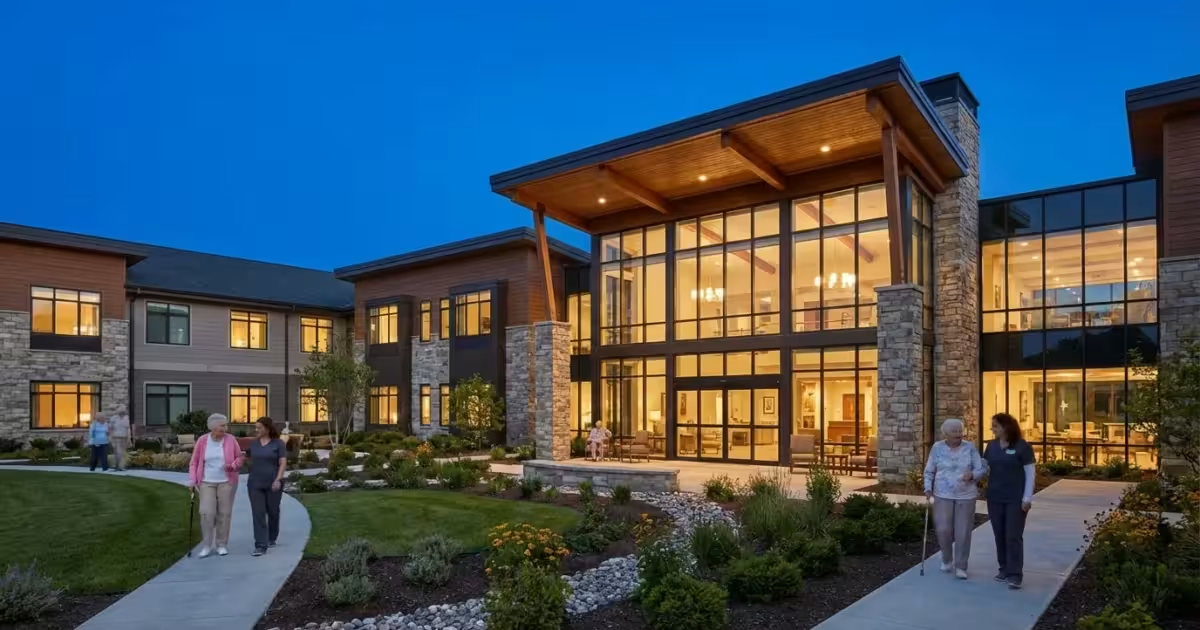
Navigating the complex world of senior housing options presents a significant challenge for many families. When a loved one faces cognitive decline due to Alzheimer’s Disease or other forms of Dementia, the need for specialized care becomes paramount. You want a safe, supportive, and engaging environment that understands these unique needs.
This article provides practical, actionable insights into Memory Care facilities. You will understand what Memory Care offers, how it differs from other senior living options, typical costs, and essential questions to ask during your search. Equip yourself with the knowledge to make an informed decision for your family.

Understanding Memory Care: A Specialized Approach
Memory Care represents a distinct level of senior living designed specifically for individuals with Alzheimer’s disease or other forms of Dementia. These facilities offer a secure environment and specialized programs tailored to support cognitive function and enhance quality of life. The focus extends beyond basic care to address the specific challenges of memory loss.
Many families find Memory Care facilities to be a crucial resource when caring for a loved one at home becomes overwhelming or unsafe. These communities provide peace of mind, knowing that trained professionals deliver continuous supervision and personalized support. They create an environment where residents can thrive despite their cognitive limitations.

The Impact of Dementia and Alzheimer’s Disease
Dementia is an umbrella term describing a range of symptoms affecting cognitive functions such as memory, thinking, and reasoning. Alzheimer’s disease is the most common cause of progressive Dementia, accounting for 60-80 percent of cases. These conditions gradually impair an individual’s ability to perform daily tasks and maintain independence.
The progression of Dementia often leads to increasing safety concerns, behavioral changes, and a greater need for assistance with Activities of Daily Living (ADLs). ADLs include essential tasks like bathing, dressing, eating, toileting, and transferring. Families often struggle to provide the 24/7 specialized care required, highlighting the value of professional Memory Care.

What Defines a Memory Care Facility?
A Memory Care facility provides a structured, secure, and supportive environment specifically designed for individuals with cognitive impairments. These communities prioritize safety, engagement, and dignity. They integrate specialized training for staff, tailored activities, and a physical environment built to minimize confusion and reduce wandering risks.
Security features are a hallmark of Memory Care, ensuring residents cannot inadvertently leave the premises and find themselves in danger. Specialized programming focuses on cognitive stimulation, sensory engagement, and maintaining familiar routines. These elements collectively contribute to a higher quality of life for residents and reassurance for families.
Memory Care is not a one-size-fits-all solution; facilities vary in their approach and amenities. When you research Memory care options, evaluate factors like staff-to-resident ratios, staff training, and the layout of the living spaces. A well-designed facility supports individual needs while fostering a sense of community.
Services and Amenities in Memory Care
Memory Care facilities offer a comprehensive suite of services and amenities tailored to residents with cognitive impairment. These services go beyond those typically found in general assisted living communities. They aim to support physical, emotional, and cognitive well-being.
Core services typically include assistance with all Activities of Daily Living (ADLs), medication management, and specialized dining programs. Staff receive specific training in Dementia care, including techniques for communication, de-escalation, and managing challenging behaviors. This expertise ensures residents receive compassionate and effective support.
Here are common services and amenities you can expect in Memory Care facilities:
- 24-Hour Supervision and Security: Controlled access, secured outdoor areas, and constant monitoring to prevent wandering and ensure safety.
- Personalized Care Plans: Individualized plans addressing specific cognitive, physical, and emotional needs, regularly updated.
- Assistance with ADLs: Support for bathing, dressing, grooming, toileting, and mobility.
- Medication Management: Administration and monitoring of medications by trained staff.
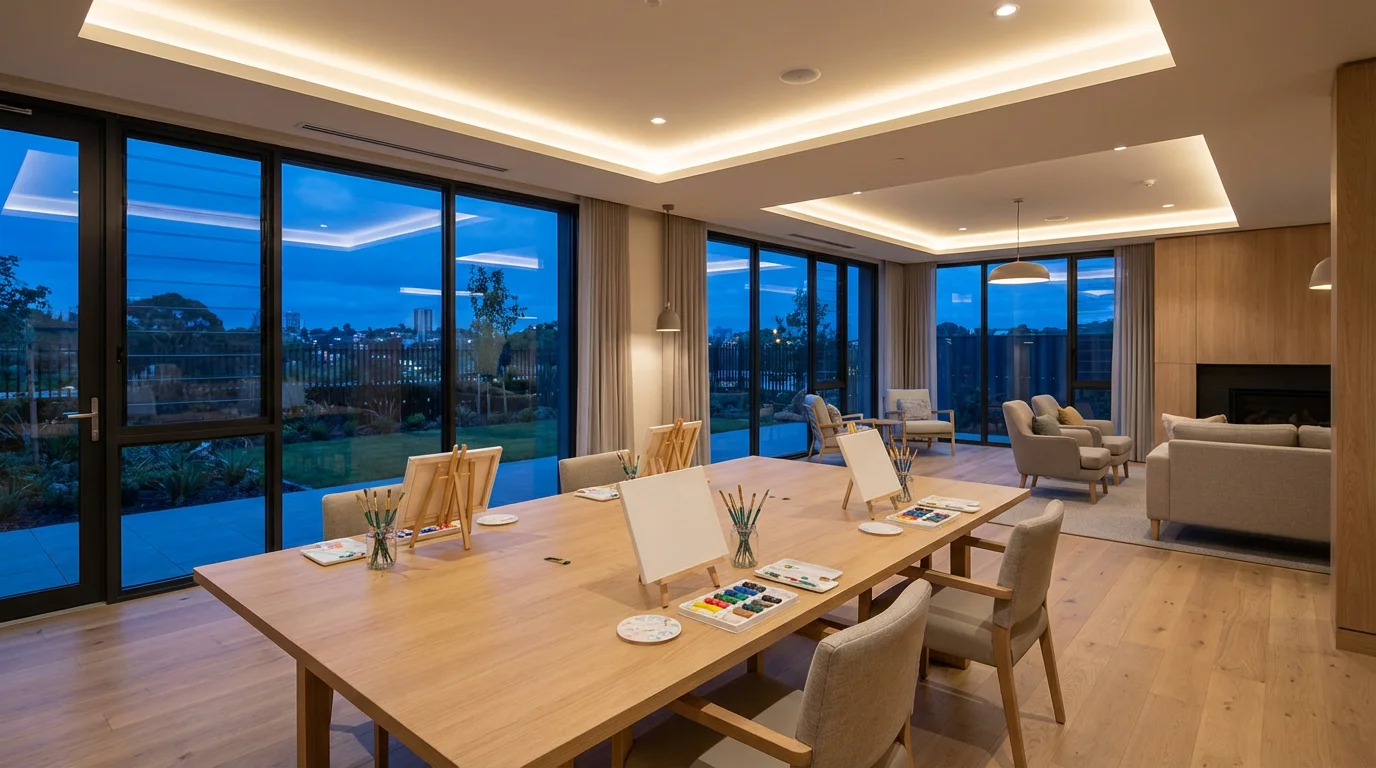
- Specialized Dementia Programming: Activities designed to stimulate cognitive function, encourage social interaction, and reduce agitation. Examples include reminiscence therapy, music therapy, art classes, and gentle exercises.
- Nutritional Support: Dementia-friendly dining options, assistance during meals, and snacks tailored to dietary needs and preferences.
- On-Site Health Monitoring: Regular wellness checks and coordination with healthcare providers.
- Housekeeping and Laundry Services: Maintaining a clean and comfortable living environment for residents.
- Therapeutic Environment: Design elements that minimize confusion, such as clear signage, consistent layouts, and soothing colors.
- Family Support and Education: Resources, support groups, and opportunities for families to engage in their loved one’s care.

Comparing Memory Care with Other Senior Living Options
Understanding how Memory Care fits into the broader landscape of senior housing is crucial for making the right choice. Each option offers different levels of care, security, and independence. Memory Care facilities stand apart due to their explicit focus on cognitive impairment.
Independent living communities cater to active seniors who require minimal to no assistance with daily tasks. These communities offer amenities like dining, activities, and transportation, but residents manage their personal care. They do not provide the specialized supervision or programming necessary for individuals with Dementia.
Assisted living facilities provide help with ADLs and medication management in a less restrictive environment than Memory Care. While some assisted living communities may have residents with early-stage cognitive decline, they lack the secure environment, specialized staff training, and targeted programming essential for advanced Dementia. Residents often have more freedom of movement, which poses safety risks for those prone to wandering or confusion.
Continuing Care Retirement Communities (CCRCs) offer a continuum of care, including independent living, assisted living, and skilled nursing care, often on a single campus. Some CCRCs may include a dedicated Memory Care wing or unit. This option allows residents to age in place, transitioning between care levels as their needs change. However, you must verify the specific Memory Care offerings within a CCRC if that is a primary need.
Nursing homes, also known as Skilled Nursing Facilities (SNFs), provide 24-hour medical care for individuals with chronic illnesses or rehabilitative needs. While many nursing home residents have cognitive impairments, their primary focus is medical and rehabilitative care, not specialized Dementia programming. Memory Care facilities offer a more engaging, activity-focused environment specifically designed for cognitive support.
Here is a comparison table outlining key differences:
| Feature | Assisted Living | Memory Care | Skilled Nursing Facility (Nursing Home) |
|---|---|---|---|
| Target Resident | Seniors needing help with some ADLs, but largely independent. | Individuals with Alzheimer’s or other forms of Dementia. | Individuals requiring 24-hour medical care, rehabilitation, or complex health management. |
| Care Level | Assistance with ADLs, medication management, social activities. | Specialized care for cognitive decline, 24/7 supervision, ADL assistance, behavioral support. | High-level medical care, therapy, wound care, ventilator care, ADL assistance. |
| Security | Generally open, may have basic monitoring. | Secure, locked units, controlled access, alarmed exits, secure outdoor areas to prevent wandering. | Secure, but focus is on medical safety rather than specialized dementia security. |
| Staff Training | General elder care training. | Extensive training in Dementia communication, behaviors, and care techniques. | Medical professionals (RNs, LPNs, CNAs) with focus on medical conditions. |
| Activities | Social events, hobbies, outings. | Dementia-specific programs: reminiscence therapy, sensory engagement, cognitive stimulation. | May have some activities, but less specialized and often limited by medical needs. |
| Environment | Homelike, generally open and accessible. | Designed to reduce confusion, calm residents, and prevent elopement. | Clinical, often shared rooms, focus on functional spaces for medical equipment. |
Understanding Memory Care Costs and Funding Options
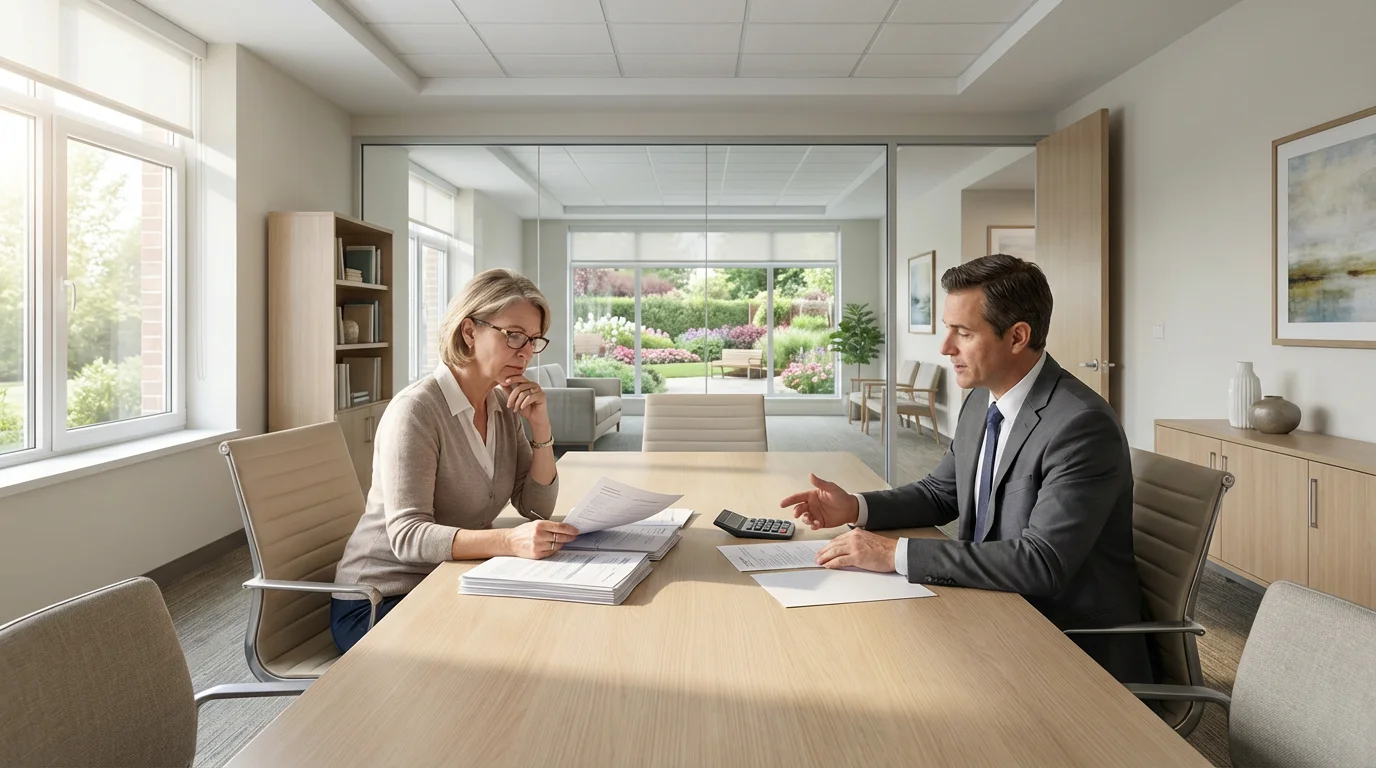
The cost of Memory Care represents a significant financial consideration for many families. These costs vary widely based on geographic location, the level of care required, the facility’s amenities, and the specific services included. Memory Care typically costs more than general assisted living due to the specialized environment, higher staff-to-resident ratios, and intensive programming.
Nationally, average monthly costs for Memory Care range from approximately $4,500 to $7,500. Urban areas and regions with a higher cost of living often see prices at the upper end of this spectrum, or even higher. For example, a facility in New York City or San Francisco could easily exceed $8,000 per month, while a similar facility in a rural Southern state might be closer to $5,000.
What influences these costs? Key factors include the resident’s specific care needs, room type (private versus semi-private), and additional services like specialized therapies or extensive one-on-one assistance. Some facilities offer all-inclusive pricing, while others use a tiered system where you pay extra for certain services.
Funding Options for Memory Care:
- Private Pay: Most families primarily fund Memory Care through private savings, investments, or the sale of assets. This remains the most common payment method.
- Long-Term Care Insurance: If your loved one purchased a long-term care insurance policy, it might cover a portion of Memory Care expenses. Policy benefits vary widely, so review the terms carefully.
- Veterans Benefits: Veterans and their surviving spouses may qualify for Aid and Attendance benefits through the Department of Veterans Affairs. This pension can help offset the cost of care for those who meet specific service and financial criteria. You can learn more through resources like NCOA Housing Resources.
- Medicaid: Medicaid, a joint federal and state program, provides healthcare coverage for low-income individuals. While Medicaid generally does not cover room and board in Memory Care, it may cover the care services component for eligible individuals in facilities that accept Medicaid waivers. Eligibility requirements are strict and vary by state.
- Bridge Loans: Some financial institutions offer bridge loans specifically designed for seniors awaiting other funding sources, such as veterans benefits or the sale of a home. These are short-term solutions to cover immediate costs.
The best senior living community is one where you can see yourself thriving, and for memory care, that means an environment where specialized support fosters dignity and connection.

Choosing the Right Memory Care Community
Selecting the ideal Memory Care facility requires careful consideration and thorough research. You want a community that aligns with your loved one’s needs, preferences, and your family’s financial situation. Start by assessing the individual’s current cognitive and physical abilities, as well as any specific behavioral challenges.
Involve your loved one’s physician and other healthcare providers in the decision-making process. They can offer valuable insights into the appropriate level of care and specific medical needs. An eldercare specialist can also provide guidance and resources during your search for how to choose memory care.
Here is a step-by-step guide to help you choose a Memory Care community:
- Assess Needs: Determine the precise care requirements of your loved one, including cognitive stage, physical mobility, and behavioral patterns. Consult their doctor for a comprehensive assessment.
- Research Options: Identify potential Memory Care facilities in your desired geographic area. Utilize online directories, local Area Agencies on Aging (found via Eldercare Locator), and recommendations from healthcare professionals.
- Verify Licensing and Accreditation: Confirm that facilities hold the necessary state licenses for Memory Care. Check for reputable accreditations, such as those from CARF, which indicate adherence to high standards.
- Tour Communities: Visit multiple facilities, ideally at different times of day. Observe staff-resident interactions, cleanliness, and the overall atmosphere. Pay close attention to security features and the design of living spaces.
- Ask Detailed Questions: Prepare a comprehensive list of questions covering care, staff training, activities, costs, and policies.
- Review Contracts Carefully: Understand all terms, conditions, and fees before signing any agreement. Seek legal counsel to review the contract.
- Check References and Reviews: Talk to current residents’ families if possible. Read online reviews, but also consider touring communities personally to form your own judgment.
Key Questions to Ask During Tours:
- What is your staff-to-resident ratio, particularly during evenings and weekends?
- What specific training does your staff receive in Dementia care and behavioral management?
- How do you personalize care plans, and how often are they reviewed and updated?
- What types of specialized activities and therapies do you offer for residents with cognitive impairment?
- How do you handle challenging behaviors, and what is your approach to de-escalation?
- What security measures are in place to prevent wandering and ensure resident safety?
- What are the visiting policies for families, and how do you encourage family involvement?
- What is included in the monthly fee, and are there any additional costs or fees?
- What is your policy regarding resident hospitalizations or temporary absences?
- How do you manage medication, and what is your protocol for medical emergencies?
- Can you provide references from current residents’ families?

Making the Transition to Memory Care Smoother
Moving a loved one into Memory Care can be an emotionally challenging experience for everyone involved. A thoughtful and well-planned approach can help ease the transition for your loved one and your family. Focus on creating a sense of familiarity and security.
Prepare the new space with familiar items from home, such as photographs, a favorite blanket, or comfortable furniture. These objects can provide comfort and continuity in a new environment. Work closely with the facility staff to understand their transition protocols and share details about your loved one’s routines, preferences, and personal history.
Tips for a smoother transition:
- Involve Your Loved One (if appropriate): Depending on their cognitive stage, involve them in choices where they can participate, such as selecting personal items for their new room.
- Familiarize the New Space: Bring familiar items like photos, cherished objects, or a favorite blanket to personalize their room. This helps create a sense of home.
- Establish a Routine: Work with the Memory Care staff to establish a consistent daily routine that mimics your loved one’s previous habits as much as possible. Predictability reduces anxiety.
- Maintain Visitation: Regular visits, especially in the initial weeks, reassure your loved one and help them adjust. Keep visits positive and focused on engagement.
- Communicate with Staff: Share insights about your loved one’s history, triggers, and preferences. Open communication helps staff provide tailored care.
- Join a Support Group: Connect with other families facing similar transitions. Support groups offer emotional understanding and practical advice.
- Be Patient and Flexible: Adjustment takes time. There may be good days and challenging days. Maintain a positive outlook and adapt as needed.
Frequently Asked Questions
What is the difference between Dementia and Alzheimer’s disease?
Dementia is a general term for a decline in mental ability severe enough to interfere with daily life, encompassing various symptoms. Alzheimer’s disease is a specific type of Dementia and is the most common cause, accounting for 60-80 percent of Dementia cases.
How do I know if my loved one needs Memory Care?
Consider Memory Care if your loved one exhibits progressive memory loss that impacts safety, such as wandering, forgetting to eat, or experiencing significant behavioral changes. An inability to manage personal care independently despite assistance, or a need for 24/7 supervision, also indicates a need for specialized Memory Care.
Are Memory Care facilities safe?
Yes, safety is a top priority in Memory Care facilities. They feature secure environments with controlled access, alarmed exits, and often enclosed outdoor spaces to prevent residents from wandering. Staff receive specialized training to handle behavioral challenges and ensure resident well-being.
What qualifications should Memory Care staff have?
Memory Care staff should possess specific training in Dementia care, including techniques for communication, managing challenging behaviors, and personalized engagement. Certifications in first aid and CPR are standard, and many facilities employ licensed nurses for medication management and health monitoring.
Can residents in Memory Care go out for visits with family?
Most Memory Care facilities encourage family visits and outings, provided they are safe and beneficial for the resident. You should coordinate these visits with the facility staff to ensure proper sign-out procedures and to maintain the resident’s routine and well-being.
What activities are provided in Memory Care?
Memory Care facilities offer a range of specialized activities designed for cognitive engagement and emotional well-being. These include reminiscence therapy, music and art therapy, gentle exercise, sensory stimulation, pet therapy, and structured social interactions. Activities aim to maintain dignity and purpose.
Disclaimer: This article is for informational purposes only and does not constitute medical, legal, or financial advice. Senior housing costs, services, and availability vary significantly by location and provider. We strongly encourage readers to tour multiple communities, review contracts carefully with legal counsel, and consult with eldercare specialists, financial advisors, and healthcare providers before making housing decisions.






Leave a Reply