
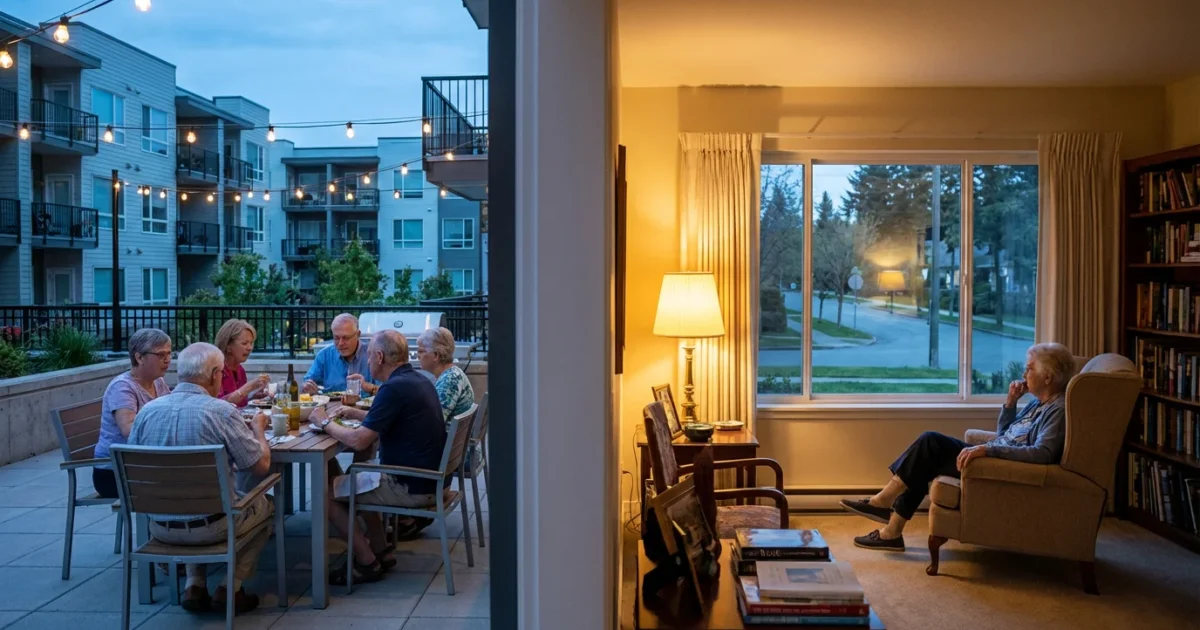
Deciding how and where you want to live in retirement marks a significant chapter in your life. Many individuals approach this decision by weighing two primary paths: continuing to live in their current home, often referred to as aging in place, or moving to a community specifically designed for adults aged 55 and over. Both options offer unique advantages and disadvantages. Understanding these differences fully empowers you to choose the path that best supports your lifestyle, social connections, and long-term well-being.
As an expert community living advisor, I often see people grappling with this choice. Your decision affects daily life, social opportunities, and even your peace of mind. This article will help you explore each option in detail, offering practical insights to guide your personal journey toward a fulfilling retirement.

Understanding Aging in Place: The Familiar Comfort
Aging in place means remaining in your current home and community as you get older. This option often appeals to individuals who cherish their long-standing neighborhood connections, familiar surroundings, and personal independence within a known environment. The comfort of your own home, filled with memories, provides a strong emotional pull.
Many seniors find that right-sizing your home is a practical way to maintain independence while reducing the physical strain of maintaining a large property.
However, aging in place also presents its own set of challenges. While you retain familiarity, you assume full responsibility for home maintenance, safety modifications, and managing potential social isolation. Your ability to maintain your home and access social activities independently can change over time.
The Pros of Aging in Place:
- Familiarity and Comfort: You stay in the home and neighborhood you know, surrounded by cherished memories and routines.
- Personal Independence: You maintain complete control over your living space and daily schedule without community rules or regulations.
- Existing Social Networks: Your established relationships with neighbors, friends, and local organizations remain intact.
- Cost Savings (Initially): You avoid the upfront costs and monthly fees associated with moving to a community, though long-term costs can accumulate.
The Cons of Aging in Place:
- Home Maintenance Burden: You bear all responsibility for repairs, yard work, and upkeep, which can become physically demanding and costly.
- Potential for Social Isolation: Without built-in social structures, loneliness can become a significant issue. As friends move or social circles shrink, active effort is needed to stay connected. Research from the National Institute on Aging highlights the health risks associated with social isolation in older adults.
- Safety and Accessibility Challenges: Homes often require modifications for safety, such as grab bars, ramps, or stairlifts, as mobility changes. Emergency response may be slower if you live alone.
- Limited Amenities: You must seek out and pay for services like fitness centers, pools, or organized activities individually, if they are even available nearby.
When considering what are the pros and cons of aging in place, it becomes clear that while it offers cherished autonomy, it also demands proactive planning and resources to mitigate its potential drawbacks.

Exploring Community Living: A Vibrant Alternative
Community living, particularly in 55+ active adult communities, offers a distinctly different retirement experience. These communities are intentionally designed to support an active, engaging lifestyle for older adults. They go beyond simply providing housing, creating environments rich with opportunities for social interaction, personal growth, and convenient living.
These communities come in various forms, including independent living communities, active adult communities, and even continuing care retirement communities (CCRCs) that offer a continuum of care. The focus across all types often remains on fostering connection and providing resources that simplify daily life.
The Pros of Community Living:
- Built-in Social Opportunities: Communities are designed to facilitate connections through clubs, events, and common spaces. This combats potential isolation effectively.
- Maintenance-Free Living: Exterior home maintenance, landscaping, and often interior repairs are handled by the community staff, freeing up your time and energy.
- Access to Amenities: You gain access to a wide array of facilities, such as fitness centers, swimming pools, clubhouses, walking trails, and creative studios.
- Security and Peace of Mind: Many communities offer gated access, security personnel, and emergency call systems, enhancing resident safety.
- Planned Activities and Programs: A dedicated staff often coordinates a vibrant social calendar, including classes, trips, lectures, and social gatherings.
- Reduced Transportation Stress: Some communities offer shuttle services for shopping, appointments, and outings.
The Cons of Community Living:
- Financial Investment: Costs can include an initial purchase price or entrance fee, along with ongoing monthly assessments. These fees cover amenities, services, and maintenance.
- Community Rules and Regulations: You must adhere to homeowner association (HOA) guidelines or community policies, which can affect landscaping, exterior modifications, and even guest policies.
- Less Privacy (Perceived): While you have your own home, shared amenities and closer proximity to neighbors can feel like less privacy for some individuals.
- Transitioning Challenges: Downsizing and moving can be emotionally and logistically demanding.
- Finding the Right Fit: The culture and offerings vary greatly between communities, requiring careful research to find one that aligns with your personality and interests.
Understanding how does community living compare to aging in place highlights a shift from individual responsibility to a shared, amenity-rich environment. This often leads to more opportunities for engagement and less burden from homeownership.

Social Connection and Well-being: A Key Differentiator
One of the most profound differences between aging in place and community living lies in the ease of social connection. In a traditional home, maintaining a robust social life often requires significant personal effort. Friends might live far away, driving can become challenging, and opportunities to meet new people may decrease.
In a retirement community, social interaction is woven into the very fabric of daily life. This is not to say that every moment is filled with forced socializing. Rather, opportunities are readily available for you to engage as much or as little as you desire. For introverts, this means gentle opportunities to connect without overwhelming pressure. For extroverts, it offers a steady stream of vibrant activities and new friendships.
“Good neighbors are the best security system.”
Combatting Isolation in Community Living:
Living in a community dramatically reduces the risk of social isolation, a significant health concern for older adults. The CDC notes that social isolation and loneliness are linked to serious health risks, including heart disease, stroke, and dementia. Communities actively counter this through:
- Shared Meals: Many communities offer dining options, providing a natural setting for casual conversation and forming bonds.
- Interest-Based Clubs and Groups: From book clubs and bridge groups to gardening societies and photography clubs, these groups bring together residents with shared passions.
- Fitness Classes: Group exercise, yoga, and water aerobics offer both health benefits and social interaction.
- Volunteer Opportunities: Many residents find purpose by volunteering within their community or with local charities, often organized through the community itself.
- Community Events: Regular events, such as holiday parties, themed dinners, live music, and educational lectures, provide entertainment and connection.
You find that simply walking around your community provides opportunities for friendly hellos, quick chats, and impromptu gatherings. This organic social interaction fosters a sense of belonging and support that is difficult to replicate when aging in place alone.

Amenities and Lifestyle Offerings: Beyond Your Home
The amenities and lifestyle offerings within a 55+ community are a major draw, providing resources and opportunities that would be costly or difficult to access individually when aging in place. Imagine having a resort-like experience right outside your door, without any of the maintenance responsibilities.
When you age in place, you are responsible for sourcing and paying for every service and amenity yourself. This includes gym memberships, pool access, social clubs, security systems, and landscaping services. The convenience and variety found in community living are a stark contrast.
Typical Amenities You Might Find:
- Fitness Centers and Pools: State-of-the-art gyms, indoor and outdoor swimming pools, and dedicated spaces for yoga, Pilates, or dance.
- Clubhouses and Social Hubs: Central gathering places with lounges, game rooms, libraries, and multi-purpose event spaces.
- Outdoor Recreation: Golf courses, tennis and pickleball courts, walking and biking trails, bocce ball courts, and community gardens.
- Creative Arts Studios: Spaces for painting, pottery, woodworking, sewing, and other crafts.
- Dining Options: On-site restaurants, cafes, and private dining rooms for special occasions.
- Educational Centers: Classrooms for lifelong learning, computer labs, and lecture halls.
- Wellness Services: Often include spas, salons, and access to wellness programs.
These amenities are not just about luxury, they are about facilitating an active and engaged lifestyle. They provide convenient avenues for pursuing hobbies, staying healthy, and meeting like-minded individuals, all without leaving the comfort of your community.

Support, Safety, and Peace of Mind
The feeling of security and the availability of support systems are critical considerations for many as they evaluate their retirement living options. This is another area where community living often offers distinct advantages over aging in place.
Aging in place can present increasing challenges regarding personal safety and emergency preparedness. If you live alone, an unexpected fall or medical event can go unnoticed for hours. Home modifications for accessibility, while helpful, require planning and financial investment. In contrast, communities are designed with safety and support in mind.
Enhanced Safety in Communities:
- Gated Access and Security Personnel: Many communities employ security measures to control entry and monitor the grounds.
- Emergency Call Systems: Residences often include direct access to staff or emergency services with the push of a button.
- Well-Lit Paths and Common Areas: Designed to minimize fall risks and enhance nighttime safety.
- On-Site Staff: Ready to assist with various needs, providing a comforting presence and quick response capability.
Built-in Support Systems:
Beyond immediate safety, community living provides a proactive support network:
- Maintenance and Repair Services: Eliminates the stress of finding reliable contractors for home repairs.
- Housekeeping Services: Often available, reducing the physical burden of chores.
- Transportation Services: Shuttles for shopping, appointments, and community outings reduce reliance on personal driving.
- Wellness Programs: Focus on preventative health, offering resources for healthy living.
While you still maintain your independence, the safety net and accessible support services in a community offer significant peace of mind for you and your family. Your loved ones often feel more secure knowing you are in an environment designed to anticipate and respond to your evolving needs.

Financial Considerations and Planning
Financial planning plays a crucial role in deciding between aging in place and community living. The costs associated with each option differ significantly and require careful evaluation to ensure long-term sustainability for your budget.
Effective financial planning for community living is essential to ensure your resources support your desired standard of living over the long term.
Costs of Aging in Place:
While initially seeming less expensive, aging in place can accrue substantial costs over time. These include:
- Property Taxes and Insurance: Ongoing expenses that typically increase over time.
- Home Maintenance and Repairs: Unexpected repairs, routine upkeep, and landscaping costs can be significant. A new roof, HVAC system, or plumbing issues can easily amount to thousands of dollars.
- Utility Costs: Heating, cooling, electricity, water, and internet bills.
- Accessibility Modifications: Ramps, stairlifts, bathroom renovations, and widened doorways can be very expensive.
- In-Home Support Services: If you eventually need help with chores, personal care, or transportation, these services come at an hourly or daily rate.
- Social and Wellness Memberships: Gyms, clubs, and activity fees add up if you seek outside engagement.
You need to budget not just for current expenses but also for anticipated future needs and potential emergencies that could arise within your home.
Costs of Community Living:
The financial structure of community living is often more predictable, though it involves different types of expenses:
- Entrance Fees (for some communities): A one-time fee, sometimes partially refundable, secures your residence and access to amenities.
- Purchase Price (for active adult communities): You buy your home, similar to a traditional real estate transaction.
- Monthly Assessments/Fees: These cover a wide range of services, including exterior maintenance, landscaping, amenity access, security, and often some utilities and programming.
- Additional Services: Some communities offer optional services like housekeeping, dining plans, or transportation for an extra fee.
While the monthly fees in a community may seem higher than your current utility bills, they often consolidate many expenses that you would otherwise pay separately when aging in place. This can include property taxes, insurance (for common areas), maintenance, and all amenity costs. You gain a more comprehensive package of services and activities for a single, predictable payment.
It is essential to compare the “all-in” costs of each option, considering both current and future needs. Consult with a financial advisor to understand how each choice aligns with your retirement savings and income streams.

Evaluating Your Options: A Personalized Approach
Making such a significant decision requires careful thought and a personalized evaluation. There is no single “right” answer that applies to everyone. Your unique personality, health, financial situation, and social preferences all factor into finding the best fit for your retirement years.
Identifying the right questions to ask when touring ensures you don’t overlook critical details regarding staff ratios or future healthcare needs.
Questions to Ask Yourself When Considering Aging in Place:
- How well-suited is my current home for my long-term physical needs? Do I have stairs that might become problematic?
- Am I prepared for the ongoing financial and physical demands of home maintenance?
- How robust is my current social network, and how easily can I maintain or expand it if I stay put?
- What are my contingency plans for emergencies or declining health if I live alone?
- Do I have reliable transportation options if I can no longer drive?
Questions to Ask When Exploring Community Living:
- What is the community’s culture like? Does it feel welcoming and align with my personality?
- What amenities are most important to me, and does this community offer them?
- What is included in the monthly fees, and what are the additional costs for services or activities?
- What are the resident demographics and typical activity levels?
- Are pets allowed, and what are the specific pet policies?
- How is the community governed? Is there an active resident association, and how does it function?
- What is the process for addressing resident concerns or suggestions?
Visiting communities in person is an invaluable step. Spend time there, have a meal, talk to current residents. Sites like 55places.com allow you to browse communities and read reviews, giving you a better sense of options and resident experiences. Pay close attention to how you feel in each environment. Does it feel like a place where you can thrive, connect, and enjoy your retirement?
Making the Transition: Embracing a New Chapter
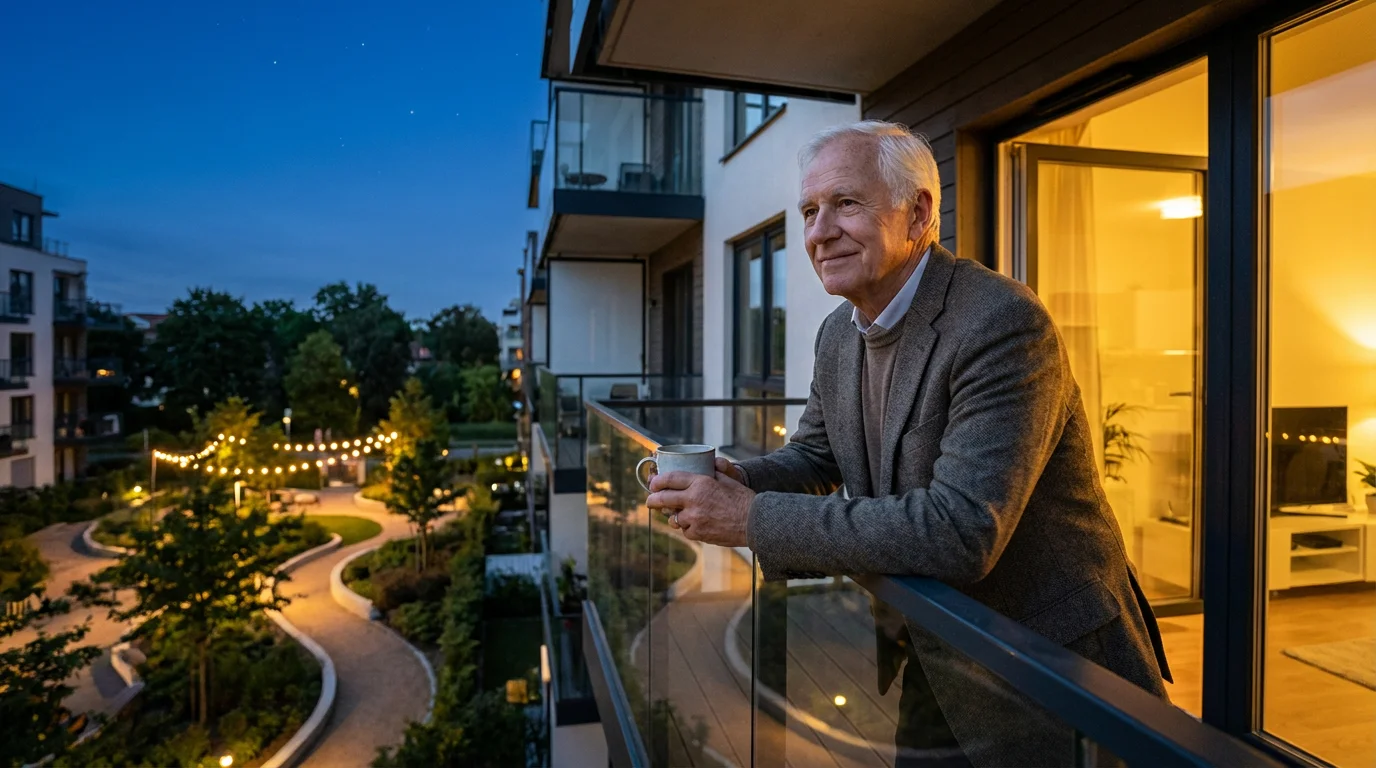
If you choose community living, the transition involves more than just packing boxes. It means embracing a new lifestyle, adjusting to a new environment, and actively seeking out connections. This can be an exciting, albeit sometimes daunting, process. Your readiness to engage and adapt will significantly shape your experience.
Tips for a Smooth Transition to Community Living:
- Start Downsizing Early: Decluttering years before a potential move makes the process much less stressful. Decide what truly brings you joy and what you use regularly.
- Visit Often Before Moving: If possible, spend time at your chosen community before you move in. Attend events, meet residents, and familiarize yourself with the layout.
- Get Involved from Day One: Sign up for a club, attend an orientation, or join a casual gathering. You do not need to be an extrovert to make new friends. A simple “hello” can open doors to connection.
- Personalize Your New Space: Make your new residence feel like home. Unpack, decorate with familiar items, and create a comfortable sanctuary.
- Be Open to New Experiences: Try activities you have never considered before. You might discover a hidden talent or a new passion.
- Respect Your Pace: Do not feel pressured to be constantly busy. It is perfectly fine to balance social engagement with personal time and privacy.
Community living provides a unique opportunity to redefine your retirement. It offers the freedom from home maintenance, the convenience of amenities, and the invaluable gift of connection. By carefully considering your personal needs and preferences against the distinct offerings of both aging in place and community living, you can make an informed decision that truly enhances your golden years.
Whether you choose to remain in your cherished home or embark on a new adventure in a vibrant community, remember that the goal is always to live a retirement rich in purpose, comfort, and connection. You hold the power to shape this next exciting chapter.
Frequently Asked Questions
What is the biggest difference between aging in place and community living?
The biggest difference lies in the level of built-in support, amenities, and social opportunities. Aging in place relies on you to manage all home responsibilities and actively seek social engagement. Community living provides these elements as part of the lifestyle, taking the burden of maintenance off your shoulders and offering readily available social calendars and amenities.
Are 55+ communities only for extroverts?
No, 55+ communities cater to a wide range of personalities, including introverts and extroverts. While they offer abundant social activities, you have complete control over your level of participation. Many introverts appreciate the easy access to social opportunities without the pressure of having to create them from scratch, finding comfortable ways to connect or enjoy quiet time.
How do I know if aging in place is feasible for me long-term?
Assess your current and projected health, financial resources, and home’s suitability. Consider potential future needs for accessibility modifications, in-home care, and transportation. If these factors pose significant challenges or burdens, community living might offer a more sustainable and less stressful long-term solution.
What should I look for when visiting a retirement community?
When visiting, observe the residents’ interactions, the cleanliness and upkeep of the facilities, and the variety and frequency of activities on the social calendar. Ask about the community’s governance, resident associations, and what is included in the monthly fees. Importantly, talk to current residents to get their candid perspectives on daily life and community culture.
Can family still be involved if I move to a community?
Absolutely. Most communities welcome family involvement. Many have guest policies for overnight stays, designated family areas, and often host intergenerational events, such as holiday celebrations or children’s activity days. Your family can visit, participate in activities, and enjoy the amenities with you.
Disclaimer: This article is for informational purposes only. Community living options, amenities, and cultures vary significantly. We encourage readers to visit communities in person, speak with current residents, and evaluate whether a community fits their unique needs and preferences.








Leave a Reply