
Living in a vibrant 55+ community offers incredible opportunities for connection, shared experiences, and an enriching retirement lifestyle. You find friends, discover new passions, and enjoy a sense of belonging. Even in the most harmonious settings, however, disagreements can naturally arise.
People bring diverse backgrounds, expectations, and habits into any shared living space. Understanding how to navigate these moments with grace, respect, and effectiveness ensures your community remains a place of joy and camaraderie. This guide equips you with practical tools for fostering healthy communication and resolving conflicts constructively.

The Nature of Community Disagreements: Why They Arise
A community is a tapestry woven from many individual lives. Each thread brings its own color, texture, and history. This diversity is what makes community living so rich, yet it also creates potential for friction. Recognizing that differences are inherent to any group setting helps you approach disagreements with a calmer perspective.
You might encounter various types of common community disagreements. These often stem from differing expectations about shared spaces, noise levels, or personal boundaries. Understanding these roots helps you address issues more effectively, focusing on solutions rather than just the problem.
Common triggers for misunderstandings and conflict include:
- Noise disturbances: Varying tolerances for music, television, conversations, or even pet sounds.
- Shared amenity usage: Disagreements over pool hours, gym etiquette, or reservation systems for common rooms.
- Pet policies: Differing opinions on leash rules, waste disposal, or pet behavior.
- Parking disputes: Issues with guest parking, designated spots, or vehicle placement.
- Property maintenance: Questions about landscaping standards, exterior decorations, or garbage disposal practices.
- Social interactions: Misunderstandings during social events, differing comfort levels with engagement, or perceived slights.
- Interpretation of rules: Residents may have different understandings of community covenants, conditions, and restrictions (CC&Rs).
These scenarios are not unique to 55+ communities; they occur wherever people live in close proximity. Your proactive approach to these situations shapes your community’s overall atmosphere.

Cultivating Proactive Communication Habits
The best way to resolve conflicts often involves preventing them in the first place, or at least addressing them before they escalate. Cultivating a proactive communication mindset means you consciously choose to engage in ways that foster understanding and respect. This approach focuses on clarity and openness, ensuring your message is heard and you also hear others.
Think of communication as a muscle you strengthen with practice. When you make an effort to communicate clearly and kindly, you build trust and goodwill within your community. This groundwork proves invaluable when difficult conversations become necessary.
Key principles of proactive communication include:
- Assume positive intent: Give others the benefit of the doubt. Most people do not intentionally try to cause problems.
- Choose the right time and place: Address issues privately, calmly, and when both parties have time to talk. Avoid public confrontations.
- Be clear and concise: State your concern directly without rambling or bringing up unrelated issues.
- Listen actively: Pay full attention when another person speaks. Try to understand their perspective, even if you do not agree with it.
- Express appreciation: Acknowledge positive interactions and contributions from neighbors and community members.
Remember, your goal is understanding and resolution, not to “win” an argument. Approaching interactions with this mindset significantly improves outcomes.

Mastering Essential Communication Styles for Healthy Interactions
Your communication style greatly influences how others perceive your message and respond to it. When facing community disagreements, certain styles prove far more effective than others. Developing an understanding of these styles helps you navigate interactions more successfully.
Effective communication is a two-way street, involving both how you express yourself and how you listen. You can learn to adapt your approach to best suit different situations and personalities you encounter.
Assertive Communication
Assertive communication is direct, honest, and respectful. You express your needs, feelings, and boundaries clearly, without being aggressive or passive. This style values both your rights and the rights of others. It focuses on finding mutually beneficial solutions.
For example, if a neighbor’s music is too loud, an assertive approach involves saying, “I’m finding the volume of the music disruptive to my evening. Would you be willing to turn it down a bit?” This clearly states the problem and proposes a solution without accusation.
Empathetic Listening
Empathetic listening means you truly strive to understand the other person’s perspective and feelings. This involves more than just hearing words; it means listening for underlying emotions and concerns. You put yourself in their shoes, even if you do not agree with their viewpoint.
When you listen empathetically, you validate the other person’s feelings, which often defuses tension. You might say, “I hear that you feel frustrated about the parking situation, and I can understand why that would be upsetting.” This shows you are engaged and value their input.
Avoiding Aggressive and Passive-Aggressive Styles
Aggressive communication involves blaming, criticizing, or demanding, often at the expense of others. Passive-aggressive communication involves indirect expressions of hostility, such as sarcasm, silent treatment, or subtle sabotage. Both styles damage relationships and escalate conflict rather than resolving it.
Instead, choose direct, respectful dialogue. This prevents resentment from building and keeps the lines of communication open for future interactions.

Practical Steps for Resolving Individual Conflicts
When a disagreement arises, approaching it systematically increases your chances of a positive outcome. These steps offer a roadmap for effective conflict resolution, helping you address issues directly with a neighbor or another community member.
Remember, the goal is to resolve the issue while preserving or even strengthening your relationship. Focus on the problem, not the person, and look for common ground.
- Identify the Core Issue: Clearly define what the disagreement is about. Is it noise, a boundary issue, or a misunderstanding? Focusing on the specific behavior or situation prevents the conversation from becoming a personal attack.
- Choose the Right Moment and Setting: Approach the person privately and when both of you are calm. Avoid confronting someone in front of others or when either party is stressed, angry, or rushed. “Could we chat for a few minutes sometime today?” opens the door respectfully.
- Use “I” Statements: Frame your concerns around your feelings and observations, rather than making accusations. For example, instead of “You always leave your trash cans out,” try “I feel concerned when the trash cans remain outside past collection day because it can attract pests.” This focuses on your experience and avoids putting the other person on the defensive.
- Listen Actively to Their Perspective: After you express your concern, give the other person a chance to respond fully. Listen without interrupting or planning your rebuttal. Ask clarifying questions like, “Can you help me understand your point of view on this?”
- Seek Common Ground and Solutions: Once both sides have spoken, work together to brainstorm solutions. You might not get everything you want, but a compromise often leaves both parties feeling heard and respected. For example, “Perhaps we can agree on a specific time to bring the cans in, or I could offer to help if you’re ever unable to.”
- Agree on a Path Forward: Conclude the conversation with a clear understanding of the next steps or agreed-upon solution. You might say, “So, we’re agreeing that the music will be turned down by 10 PM on weekdays. Does that work for you?” This ensures both of you are on the same page.
Following these steps helps you navigate sensitive conversations gracefully and effectively. You build a reputation as someone who handles challenges thoughtfully.

Addressing Community-Wide Disagreements and Policy Issues
Sometimes, disagreements extend beyond individuals to affect the entire community. These might involve changes to rules, usage of common areas, or budget allocations. Addressing these broader issues requires a different approach, often involving community governance structures.
Your community’s resident association or homeowner’s association (HOA) provides formal channels for these discussions. These bodies ensure all voices receive a hearing and decisions reflect the collective well-being of the residents.
Participating in these processes is a crucial part of living in a community. It allows your voice to be heard on matters that affect your daily life and contributes to a well-run environment. Active involvement strengthens your community’s ability to address concerns fairly.
Consider these avenues for addressing wider community concerns:
- Attend Resident Association or HOA Meetings: These meetings are the primary forum for discussing community policies, issues, and future plans. Your presence and participation demonstrate your engagement.
- Submit Written Proposals: If you have a specific suggestion for a rule change or improvement, put it in writing. Many communities have formal processes for submitting proposals to the board for consideration.
- Join a Committee: Most communities have various committees focused on specific areas, such as landscaping, social events, or architectural review. Joining a relevant committee allows you to contribute directly to solutions and policy recommendations.
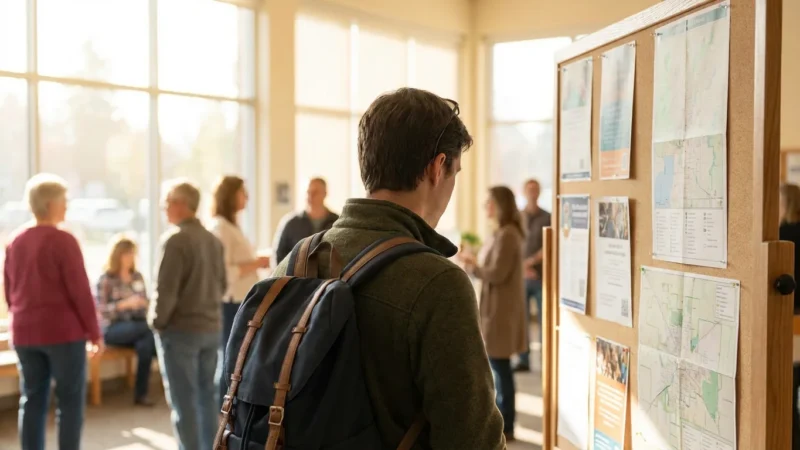
- Utilize Official Communication Channels: Follow the established communication protocols, whether it is an online portal, a bulletin board, or direct communication with community management. Avoid gossip or informal channels for serious matters.
When raising an issue, focus on the facts and potential solutions. Present your concerns clearly and respectfully, understanding that others may hold different views. Sites like LeadingAge offer insights into best practices for community governance and resident engagement, which can inform your approach.
“Good neighbors are the best security system.”
This wisdom underscores the idea that a connected, communicative community is its own strongest defense against widespread discontent. By engaging thoughtfully, you contribute to a resilient community culture.

Building Bridges: Fostering a Culture of Connection and Understanding
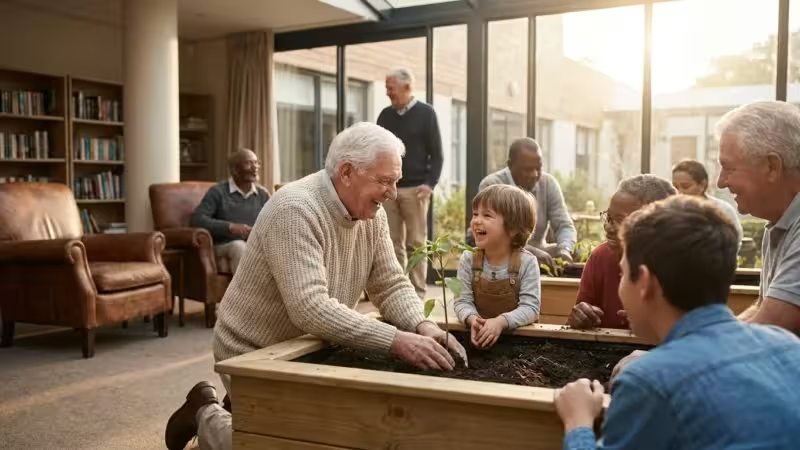
While conflict resolution is essential, actively building positive relationships reduces the likelihood and intensity of future disagreements. When you know your neighbors and share common experiences, you develop empathy and a stronger sense of shared community. This makes differences easier to navigate and resolve.
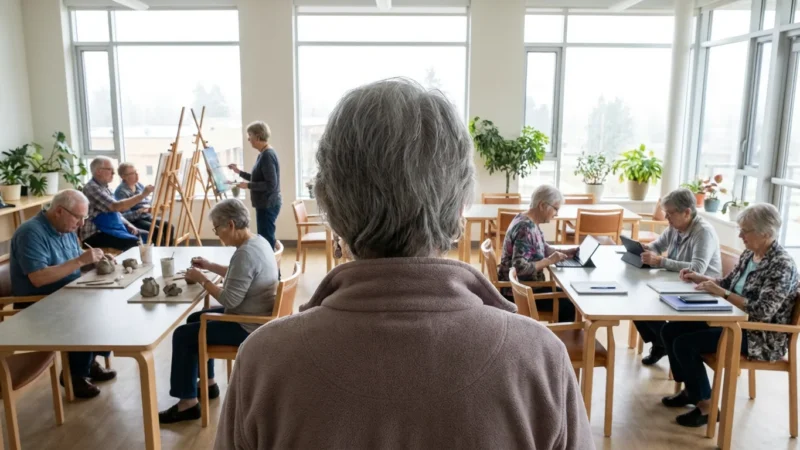
A vibrant social calendar and diverse programming are hallmarks of thriving 55+ communities. These activities offer natural opportunities to connect with others, discover shared interests, and build a network of support and friendship. Your active participation enriches not only your life but also the lives of those around you.
Ways to foster connection and understanding:
- Participate in Social Activities: Attend community-wide events like potlucks, holiday celebrations, or themed parties. These low-pressure settings provide opportunities to meet new people.
- Join Clubs and Groups: Whether it is a book club, bridge group, hiking club, or art class, joining an interest-based group helps you connect with like-minded individuals. These shared passions naturally build rapport.
- Volunteer Your Time: Offer to help with community events, serve on a committee, or assist neighbors in need. Volunteering creates a sense of shared purpose and strengthens bonds.
- Utilize Common Spaces: Spend time in the community library, fitness center, or coffee shop. These spaces are designed for informal interactions and spontaneous conversations.
- Offer a Friendly Greeting: A simple wave, a “hello,” or a brief chat when you see a neighbor makes a big difference. These small gestures accumulate to create a welcoming atmosphere.
- Attend Welcome Events: Many communities host events for new residents. These are excellent opportunities to introduce yourself and learn about your new neighbors.
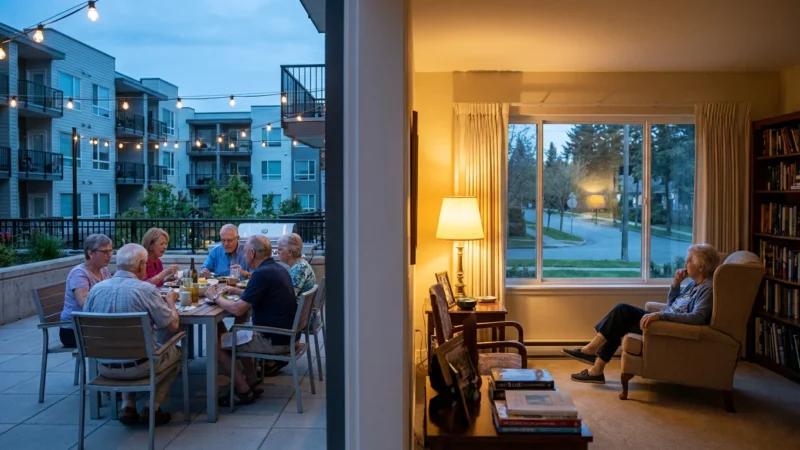
Remember, connection looks different for everyone. If you are more introverted, participation might mean attending a quiet book club or helping organize a behind-the-scenes event. Extroverts might thrive at large gatherings. There is no single “right” way to engage; what matters is finding activities that resonate with you and help you feel connected. Strong bonds act as a buffer against misunderstandings, making conflict resolution smoother and more effective.
Knowing When to Seek Mediation or Management Intervention
Despite your best efforts, some disagreements may prove difficult to resolve independently. You might face a situation where a neighbor is unwilling to communicate, or the conflict involves a serious breach of community rules. Knowing when to escalate an issue to community management or seek formal mediation is a crucial part of responsible community living.
This is not an admission of failure, but rather a responsible step to protect your well-being and the harmony of the entire community. Community management and resident associations have processes in place specifically for these situations.
Consider involving community management or seeking mediation when:
- Direct Communication Fails: You have attempted to speak with the individual directly, but the issue remains unresolved, or they refuse to engage constructively.
- Rule Violations Persist: The disagreement stems from an ongoing violation of community rules or CC&Rs (Covenants, Conditions, and Restrictions) that affects your quality of life.
- Safety or Harassment Concerns: You feel unsafe, threatened, or are experiencing harassment. These situations require immediate intervention from community leadership.
- Repeated Issues: The same conflict arises repeatedly, indicating a deeper issue that requires more formal intervention.
- Emotional Escalation: The conflict has become highly emotional, making calm, rational discussion impossible between the parties involved.
- Ambiguity in Rules: The disagreement stems from unclear or misinterpreted community rules, requiring an official interpretation or clarification.
Before contacting management, review your community’s resident handbook or CC&Rs. These documents outline the specific procedures for reporting grievances and the roles of management and the HOA board in resolving disputes. When you do approach management, provide clear, factual details, including dates, times, and previous attempts you made to resolve the issue. Your community’s leadership serves as a neutral party, helping to mediate or enforce rules as necessary, ensuring fairness for all residents. They possess the experience to navigate complex situations and work towards solutions that benefit everyone.
Frequently Asked Questions
How can I deal with a noisy neighbor without causing a bigger problem?
Start by choosing a calm moment to speak with them directly and privately. Use “I” statements, such as “I’m finding the noise after 10 PM makes it hard for me to sleep.” Suggest a solution, like “Would you be able to keep the volume lower in the evenings?” Most neighbors appreciate a polite, direct approach before things escalate.
What if I feel targeted by a community rule?
First, review the rule in your community’s resident handbook or CC&Rs to understand its exact wording and intent. Then, document your specific concerns and gather any relevant evidence. Attend a resident association meeting to respectfully voice your perspective or submit a written proposal to the board, explaining how the rule disproportionately affects you and suggesting alternative solutions.
Is it okay to avoid certain people in the community?
Yes, it is perfectly acceptable to manage your social interactions as you see fit. You can maintain polite, civil interactions without needing to engage in close friendships with everyone. You have the right to choose your social circle and protect your personal space. Focus on respectful communication when interactions are necessary, and prioritize your comfort.
How do I suggest a new activity or change a rule?
Most communities have formal processes for resident suggestions. Start by speaking with community management or a member of the resident association board to understand the procedure. You may need to submit a written proposal outlining your idea, its benefits, and any associated costs or logistics. Be prepared to discuss your suggestion at a community meeting.
What resources are available if I can’t resolve an issue with a neighbor?
If direct communication fails, your primary resource is community management or the resident association/HOA board. They can mediate discussions, interpret rules, and, if necessary, enforce community policies. For more complex disputes, some communities offer or recommend professional mediation services to help facilitate a resolution.
Disclaimer: This article is for informational purposes only. Community living options, amenities, and cultures vary significantly. We encourage readers to visit communities in person, speak with current residents, and evaluate whether a community fits their unique needs and preferences.




Leave a Reply